

Most serious urban cycling accidents are preventable. That’s not a comforting thought when you’re weaving through morning traffic, but it’s also an empowering one. The right gear, chosen with care, can dramatically reduce your injury risk while making you look sharp on the bike. Helmet use rates in European cities remain surprisingly low, even as urban cycling surges in popularity. High-end protection is not reserved for weekend racers. It belongs on every city commute, every day.
Table of Contents
- Why urban cycling protection matters
- Helmets: Modern technology, certifications, and aesthetics
- Visibility essentials: Reflective jackets and lighting strategies
- Gloves and accessories: All-weather comfort and urban protection
- Choosing the right protection: Fit, comfort, and personal statement
- Upgrade your urban ride: Shop advanced protection gear
- Frequently asked questions
Key Takeaways
| Point | Details |
|---|---|
| Urban cycling risks | City cycling exposes you to unique visibility and impact hazards every ride. |
| Advanced helmet tech | MIPS helmets with proper certifications offer top head protection without giving up style. |
| Layered visibility | Stack reflective jackets, high-lumen lights, and biomotion accessories for around-the-clock safety. |
| Comfort meets protection | High-end gloves and fit-tested gear keep you safe and comfortable in any city weather. |
| Smart buying matters | Prioritize fit, certified tech, and how your protection gear expresses your urban style. |
Why urban cycling protection matters
City riding is a different beast from trail or road cycling. You’re not dealing with long climbs or technical descents. You’re dealing with distracted drivers, unpredictable pedestrians, car doors swinging open without warning, and slick pavement after rain. These hazards are constant and often invisible until it’s too late.
The risks stack up fast at intersections, where most urban cycling collisions happen. Wet or icy conditions reduce your stopping distance and your visibility to drivers simultaneously. Poor lighting at dawn and dusk creates windows of real danger that many commuters ride through every single day.
Here’s what makes urban cycling uniquely demanding:
- Dooring risk: Parked cars are a silent threat on every city block.
- Intersection conflicts: Left and right turns by drivers are the leading cause of cyclist injuries.
- Low visibility windows: Early morning and evening rides happen in low-light conditions year-round.
- Surface hazards: Wet tram tracks, painted road markings, and potholes are unpredictable.
- Stop-and-go fatigue: Constant braking and accelerating increases physical and mental load.
“Helmet use in urban Europe averages roughly 30%, with a range of 4.5 to 66% across cities, and helmets lower serious head injury odds significantly.”
That gap between risk and protection is exactly why investing in high-end gear matters. A quality helmet, reflective jacket, and smart accessories are not luxuries. They are the difference between a close call and a hospital visit. Explore the full range of essential cycling safety accessories to understand what a complete urban setup looks like. For a broader overview of what to carry on every ride, urban biking essentials is a solid starting point.
Helmets: Modern technology, certifications, and aesthetics
Understanding your risks allows you to make informed decisions about the most critical protective layer: your helmet. And in 2026, there is no reason to choose between protection and style.
The most important technology in modern urban helmets is MIPS, which stands for Multi-directional Impact Protection System. It adds a low-friction layer inside the helmet that allows the shell to rotate slightly on impact, reducing rotational forces transmitted to the brain. MIPS helmet technology is now standard in most premium models and should be a baseline requirement for any serious urban rider.
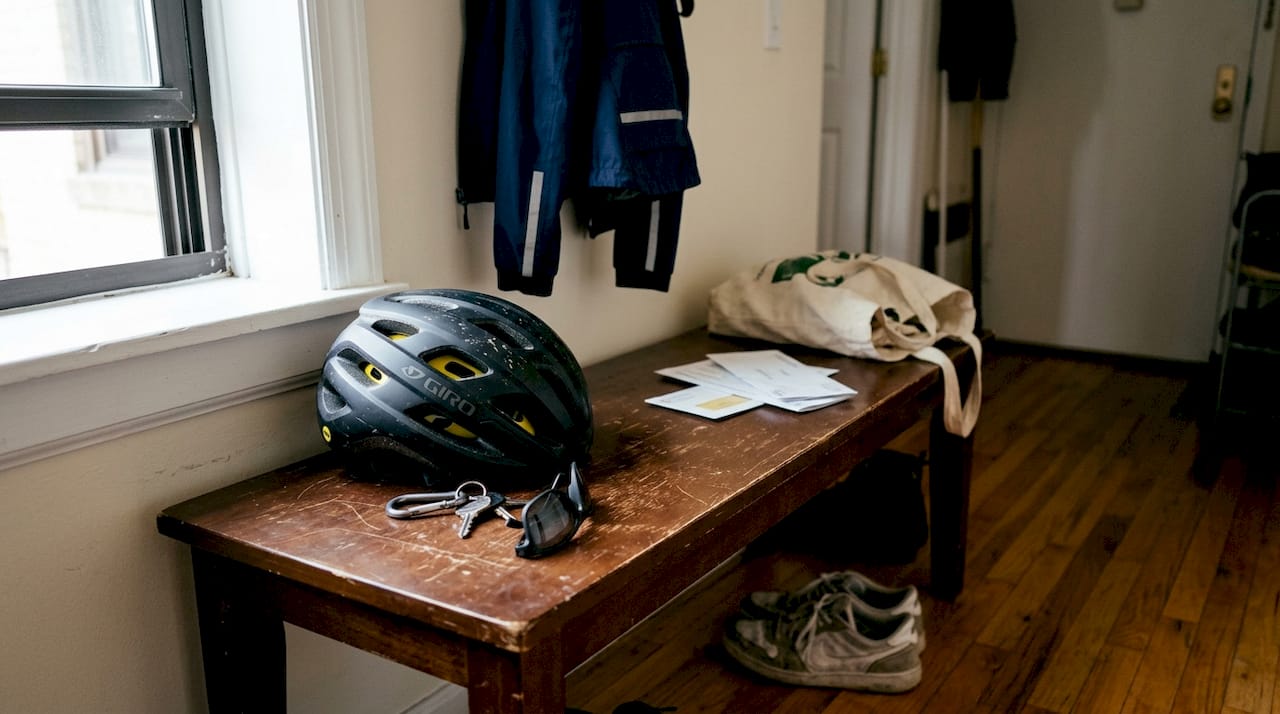
Certifications tell you whether a helmet meets legal safety standards. In the U.S., look for CPSC certification. In Europe, CE EN1078 is the required standard. High-end urban helmets prioritize both certifications, weigh under 300g, and offer superior ventilation for all-day comfort.
Here’s a quick comparison of leading models:
| Helmet | Weight | MIPS | Certification | Best for |
|---|---|---|---|---|
| Trek Velocis | 270g | Yes | CPSC / CE | Road commuting |
| Uvex Surge Aero | 285g | Yes | CE EN1078 | Urban speed |
| MET Trenta | 265g | Yes | CPSC / CE | Lightweight daily use |
| POC Cytal | 290g | Yes | CPSC / CE | All-round urban safety |
Beyond specs, consider the look. Sleek, low-profile helmets with matte finishes and minimal vents are increasingly popular among urban commuters who want gear that transitions from bike lane to coffee shop without a second thought. Check out the full breakdown of cycling helmet types to match your riding style, or dive into the dedicated urban helmet guide for city-specific recommendations.
Pro Tip: Try your helmet on with your commuting sunglasses or eyewear before buying. Fit changes with accessories, and a helmet that feels perfect alone may press uncomfortably against your frames after an hour of riding.
Visibility essentials: Reflective jackets and lighting strategies
A helmet protects your head, but visibility gear makes you seen. And being seen is what prevents the collision in the first place.
Reflective jackets work by bouncing light directly back toward its source, which means a driver’s headlights illuminate you clearly even from a distance. The best options offer 360-degree reflectivity, meaning you’re visible from the front, sides, and rear simultaneously. Reflective jackets like Proviz Apex and Altura Nightvision use high waterproof ratings and full-body reflective panels, though breathability and long-ride comfort vary between models.
Here’s how the top options compare:
| Jacket | Reflectivity | Waterproof rating | Breathability | Best use |
|---|---|---|---|---|
| Proviz Apex | 100% reflective | High | Moderate | Night commuting |
| Altura Nightvision | 360-degree panels | High | Good | Mixed conditions |
| Proviz City | Partial reflective | Medium | High | Day and evening |
Lighting is the other half of the equation. Front lights in the 200 to 600 lumen range are ideal for city streets with ambient lighting. If you ride on unlit paths, push toward 800 to 1200 lumens. Rear lights should pulse rather than stay static, since motion catches the eye faster than a fixed beam.
The smartest approach is what visibility experts call a visibility stack: combining lights, reflective outerwear, and biomotion cues (like reflective ankle bands that move with your pedaling) for maximum driver recognition. Here’s how to build one:
- Start with a high-lumen front light mounted at handlebar level.
- Add a pulsing rear light at seat post height.
- Wear a full-reflective or high-vis jacket as your outer layer.
- Add reflective ankle bands or shoe covers for biomotion effect.
- Consider a helmet-mounted rear light for elevated visibility.
Pro Tip: Hi-vis yellow and orange are most effective in daylight and overcast conditions. At night, full-reflective outerwear outperforms hi-vis because it actively returns light rather than just absorbing it. Use both if you ride in mixed conditions. Browse the complete range of cycling safety accessories to find the right combination for your route. For a curated list of top-rated options, best reflective jackets covers the current field well.
Gloves and accessories: All-weather comfort and urban protection
With helmet and visibility handled, let’s round out your protective setup with gloves and smart accessories.
Gloves are underrated in urban cycling. Most riders think of them as a comfort item, but they serve a real protective function. In a crash, your hands hit the ground first. A quality glove with palm padding absorbs impact and prevents road rash. Year-round, gloves also improve grip on wet handlebars, which directly affects your braking response.
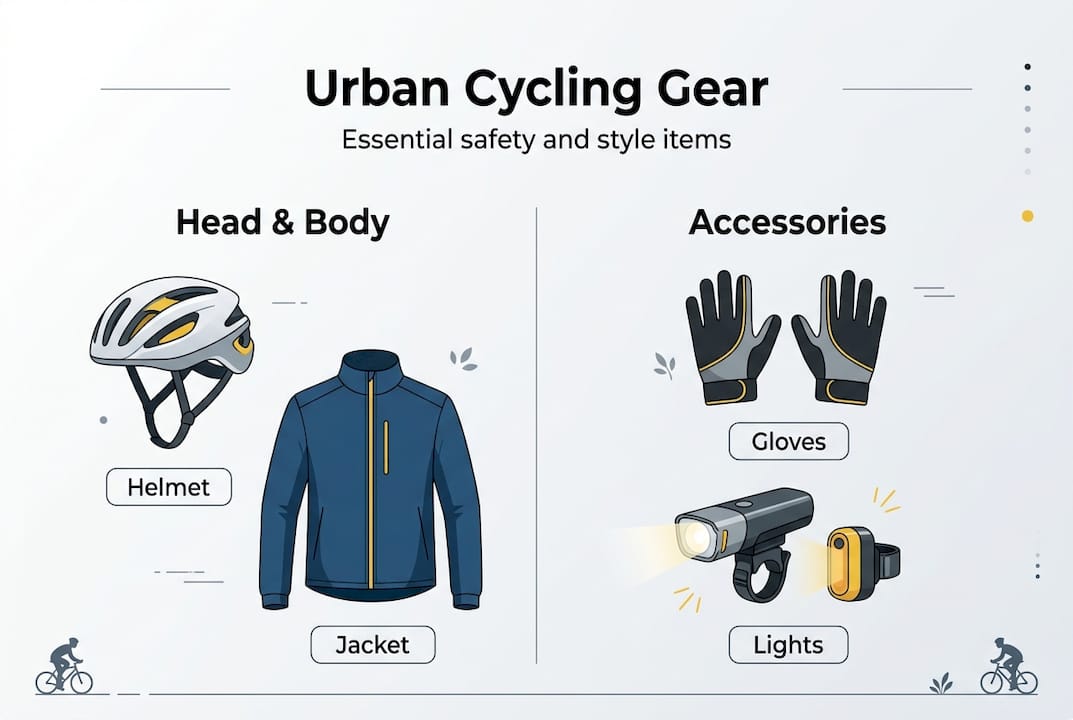
For winter riding, insulation type matters enormously. Gore-Tex and PrimaLoft gloves from brands like Rapha and Gore provide sub-zero protection while maintaining touchscreen compatibility for phone navigation. Lobster-style gloves, which group the middle fingers together, offer a strong balance of warmth and dexterity for temperatures below freezing.
Key features to look for in urban cycling gloves:
- Touchscreen fingertips: Essential for navigation and contactless payments without removing gloves.
- Palm reinforcement: Protects against road rash in falls and reduces handlebar vibration fatigue.
- Waterproof membrane: Gore-Tex or similar keeps hands dry in rain without sacrificing flexibility.
- Cuff length: Longer cuffs prevent cold air from entering at the wrist during fast descents.
- Reflective details: Small but meaningful for wrist-level visibility at intersections.
Beyond gloves, a few accessories complete a serious urban setup. Quality eye protection shields against wind, dust, and debris, which is especially relevant in cities with construction zones. Waterproof shoe covers extend the life of your cycling shoes and keep your feet dry on wet commutes. A high-security lock, while not protective gear in the traditional sense, protects your investment and keeps your commute stress-free. For a full picture of what rounds out an urban kit, urban accessories for cyclists covers the essentials. The Gore-Tex gloves review from Cycling News is worth reading before committing to a winter pair.
Pro Tip: Even in summer, wear lightweight fingerless gloves on every ride. The palm protection alone is worth it, and you’ll notice the difference in grip quality on long commutes.
Choosing the right protection: Fit, comfort, and personal statement
With all gear components covered, the final step is choosing a setup that fits you, both functionally and stylistically.
Helmet fit is non-negotiable. A helmet that sits too high exposes your forehead. One that’s too loose moves on impact and loses effectiveness. The correct fit means the helmet sits level, about two finger-widths above your eyebrows, with the chin strap snug enough that you can fit one finger underneath. Shake your head firmly in all directions. It should not shift. Urban helmet choices must balance protective features like MIPS with your preferred fit and look, so always try before you buy when possible.
Here are five questions to ask before purchasing any high-end commuting protection:
- Does this helmet meet CPSC (U.S.) or CE EN1078 (Europe) certification?
- Does it include MIPS or an equivalent rotational protection system?
- Will I wear this jacket in both rain and dry conditions, or do I need two options?
- Are my gloves rated for the coldest temperatures I’ll realistically ride in?
- Does this gear reflect my personal style enough that I’ll actually wear it every day?
That last question matters more than it sounds. Gear you love wearing is gear you’ll actually use. Urban cycling protection works best when it becomes a habit, not a chore. A sleek matte helmet, a well-cut reflective jacket, and a pair of gloves that feel great are not compromises. They’re the standard. For guidance on matching helmet style to your riding needs, choosing a cycling helmet is a practical resource.
Your commute is a daily expression of how you move through your city. The gear you choose should match that energy.
Upgrade your urban ride: Shop advanced protection gear
If this guide has shown you anything, it’s that premium urban cycling protection is a system, not a single product. Every layer works together: helmet, jacket, gloves, lights, and accessories all contribute to a safer, more confident ride.
At THE BEAM, we design gear specifically for urban and everyday cyclists who refuse to compromise on either safety or aesthetics. Our men’s helmets collection features MIPS-equipped models built for city life, and our all helmets range covers every riding style and preference. Beyond helmets, our urban accessories include rear-view mirrors, high-visibility reflectors, and connected safety products designed to make you more visible and more aware on every commute. Whether you’re upgrading a single piece or building a complete urban kit, THE BEAM has the tools to help you ride smarter and look great doing it.
Frequently asked questions
What helmet certifications should I look for in Europe and the U.S.?
Seek CPSC certification for the U.S. and CE EN1078 for Europe. Both certifications confirm that a helmet meets the minimum safety standards required in each region.
Are full-reflective jackets suitable for everyday commuting?
Full-reflective jackets are outstanding for night commutes but can feel less breathable on longer or warmer rides. Proviz Apex-style jackets excel after dark but may need a lighter alternative for summer mornings.
How do I pick the best gloves for winter cycling?
Prioritize insulated gloves with Gore-Tex or PrimaLoft membranes for waterproofing and warmth. Rapha and Gore models also offer touchscreen-compatible fingertips, which is essential for city navigation.
Does visibility gear really reduce accidents in cities?
Yes. Stacking lights, reflective outerwear, and biomotion cues significantly increases your detectability to drivers. Combining visibility tools is consistently more effective than relying on any single item alone.
What’s the most important protection upgrade for city cyclists?
A MIPS-equipped helmet is the single most impactful upgrade for urban riders. MIPS technology addresses rotational forces, which are the primary cause of serious brain injury in urban falls.


