

Navigating busy streets as a daily cyclist in France or Germany can feel unpredictable, especially with constant vehicle interactions and shifting road conditions. Urban cycling research from Harvard points to multiple risks, including infrastructure gaps and environmental hazards. Staying safe means knowing your risks, upgrading your gear, and mastering visibility strategies. Discover practical ways to build a bold, personalized safety plan that meets the demands of modern city commutes.
Table of Contents
- Step 1: Assess Your Current Cycling Risks
- Step 2: Upgrade To Advanced Safety Equipment
- Step 3: Enhance Bike Visibility And Signaling
- Step 4: Implement Smart Riding Strategies
- Step 5: Verify Your Cycling Security Measures
Quick Summary
| Key Insight | Explanation |
|---|---|
| 1. Assess your cycling risks | Examine your commute routes for danger zones to develop a tailored safety strategy. |
| 2. Upgrade safety equipment | Invest in high-quality gear like advanced helmets and reflective clothing to enhance safety. |
| 3. Maximize visibility and signaling | Use powerful lights and clear hand signals to communicate and increase your presence on the road. |
| 4. Implement smart riding strategies | Practice defensive riding techniques and maintain awareness of surroundings to prevent accidents. |
| 5. Verify cycling security measures | Regularly inspect your bike and safety equipment to ensure they are functioning effectively. |
Step 1: Assess your current cycling risks
Understanding your urban cycling risk profile is crucial for developing a comprehensive safety strategy. Cycling safety research from Harvard highlights the complex challenges urban cyclists face, including vehicle interactions, infrastructure limitations, and environmental hazards.
To effectively assess your personal cycling risks, consider these key evaluation points:
- Commute Route Analysis: Examine the specific streets and paths you frequently travel
- Traffic Density: Evaluate the volume and speed of vehicle traffic in your area
- Infrastructure Quality: Assess bike lane availability, road conditions, and intersection designs
- Time of Day: Note visibility challenges during early morning or evening rides
Start by mapping your typical routes and identifying potential danger zones. Look for:
- Intersections with high vehicle turnover
- Roads without dedicated bike lanes
- Areas with poor lighting or limited visibility
- Sections with recent road construction or uneven surfaces
Knowing your specific risk factors is the first step toward developing a personalized cycling safety approach.
The National Highway Traffic Safety Administration emphasizes that most cyclist fatalities occur in urban environments, making thorough risk assessment critical for your safety.
Pro tip: Create a digital map highlighting your route’s most challenging sections to help you develop targeted safety strategies.
Step 2: Upgrade to advanced safety equipment
Upgrading your cycling safety equipment is a critical strategy for protecting yourself during urban commutes. Advanced safety recommendations from global transportation experts highlight the importance of investing in high-quality protective gear that goes beyond basic requirements.
Focus on these key equipment upgrades to enhance your cycling safety:
- Helmet Technology: Select models with multi-impact protection systems like MIPS
- Visibility Gear: Invest in high-luminosity clothing and smart reflective accessories
- Lighting Systems: Choose powerful front and rear LED lights with multiple modes
- Communication Devices: Consider helmets with integrated communication and navigation features
When selecting safety equipment, prioritize these essential elements:
Here’s a quick guide to the most impactful upgrades for urban cycling safety:
| Upgrade Type | Key Benefit | Typical Cost Range |
|---|---|---|
| Advanced Helmet | Reduces head injury risk | $50 - $250 |
| High-Vis Apparel | Increases cyclist visibility | $20 - $100 |
| Smart LED Lighting | Alerts drivers in low light | $30 - $120 |
| Communication Helmet | Enhances ride coordination | $100 - $300 |
- Ensure proper fit for all protective gear
- Check equipment ratings and safety certifications
- Replace equipment after significant impacts or every few years
- Match equipment to your specific urban cycling environment
Modern safety equipment is not an expense - it’s an investment in your personal protection.
The National Highway Traffic Safety Administration emphasizes that well-chosen safety equipment can dramatically reduce injury risks during urban cycling.
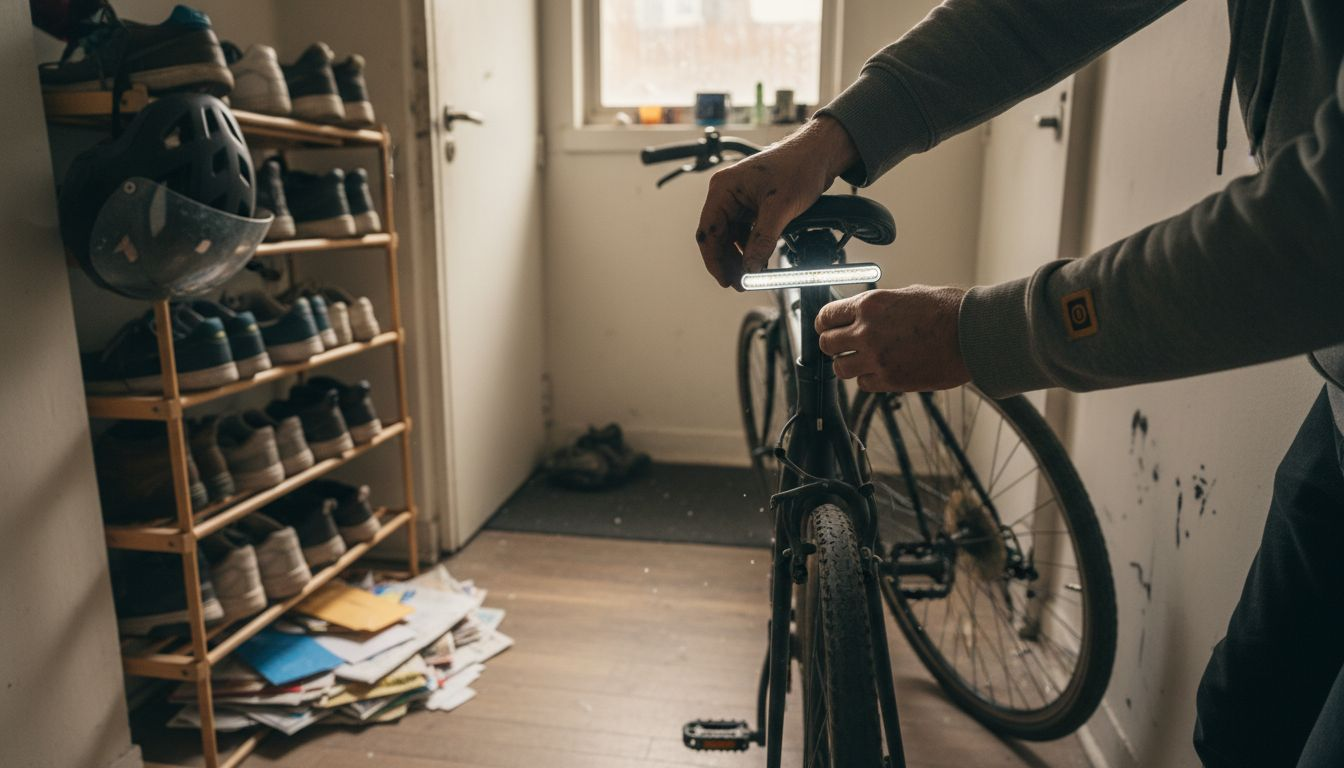
Pro tip: Invest in modular safety equipment that can be easily adjusted for different riding conditions and times of day.
Step 3: Enhance bike visibility and signaling
Maximizing your visibility is crucial for surviving urban cycling environments. Bicycle visibility research from transportation experts demonstrates that strategic visibility can significantly reduce collision risks during urban and nighttime rides.
Implement these comprehensive visibility enhancement strategies:
- Lighting Systems: Install powerful front white and rear red LED lights
- Reflective Gear: Use high-visibility clothing with retroreflective materials
- Signaling Techniques: Master clear and deliberate hand signals
- Positioning: Ride predictably and occupy sufficient road space
Key steps for improving your cycling visibility include:
Compare common visibility challenges and their recommended solutions:
| Scenario | Visibility Challenge | Recommended Solution |
|---|---|---|
| Nighttime urban riding | Low light conditions | Strong LED front/rear lights |
| Riding during rain or fog | Reduced contrast, reflection | Neon and reflective clothing |
| Navigating busy intersections | Competing vehicle signals | Consistent hand signals |
| Approaching construction zones | Unexpected obstructions | Flashing helmet light |
- Choose bright neon or fluorescent cycling clothing
- Add reflective tape to helmet and bike frame
- Use multiple light sources with different brightness modes
- Practice consistent hand signaling techniques
Visibility is not just about being seen - it’s about communicating your intentions clearly to other road users.
The National Highway Traffic Safety Administration recommends comprehensive visibility strategies to protect urban cyclists.
Pro tip: Invest in modular lighting systems that offer multiple mounting options and adjustable visibility ranges.
Step 4: Implement smart riding strategies
Navigating urban cycling safely requires mastering defensive riding techniques that anticipate potential hazards. Smart cycling strategies from expert bicycling organizations provide comprehensive guidance for urban riders seeking to minimize risks and maximize safety.
Key smart riding strategies for urban cyclists include:
- Situational Awareness: Continuously scan the road and anticipate potential dangers
- Predictable Movement: Ride in a consistent and visible manner
- Traffic Law Compliance: Know and follow local traffic regulations
- Defensive Positioning: Maintain a strategic position on the road
Critical steps for implementing smart riding techniques:
- Practice reading traffic patterns and driver behaviors
- Learn and use clear hand signals for turning and stopping
- Maintain a safe distance from parked cars and potential blind spots
- Develop quick reaction skills for unexpected road situations
Smart riding is about being proactive, not just reactive - anticipate challenges before they become threats.
The National Highway Traffic Safety Administration emphasizes the importance of defensive riding techniques for urban cyclists.
Pro tip: Practice your riding strategies in low-traffic areas before applying them to busier urban environments.
Step 5: Verify your cycling security measures
Ensuring your cycling safety requires systematic and thorough equipment verification. Comprehensive safety assessment techniques provide urban cyclists with a structured approach to identifying and mitigating potential risks.
Critical verification steps for your cycling security include:
- Equipment Inspection: Check bike condition, brakes, and mechanical components
- Safety Gear Evaluation: Verify helmet fit, reflective elements, and protective clothing
- Regulatory Compliance: Confirm adherence to local cycling safety regulations
- Technical Functionality: Test lights, signals, and communication devices
Detailed verification process:
- Perform monthly comprehensive bike maintenance
- Validate helmet’s structural integrity and replacement timeline
- Test all lighting and visibility equipment functionality
- Review and update your emergency contact and medical information
Regular security measure verification transforms potential vulnerabilities into proactive safety strategies.
The National Highway Traffic Safety Administration recommends systematic safety equipment checks for urban cyclists.
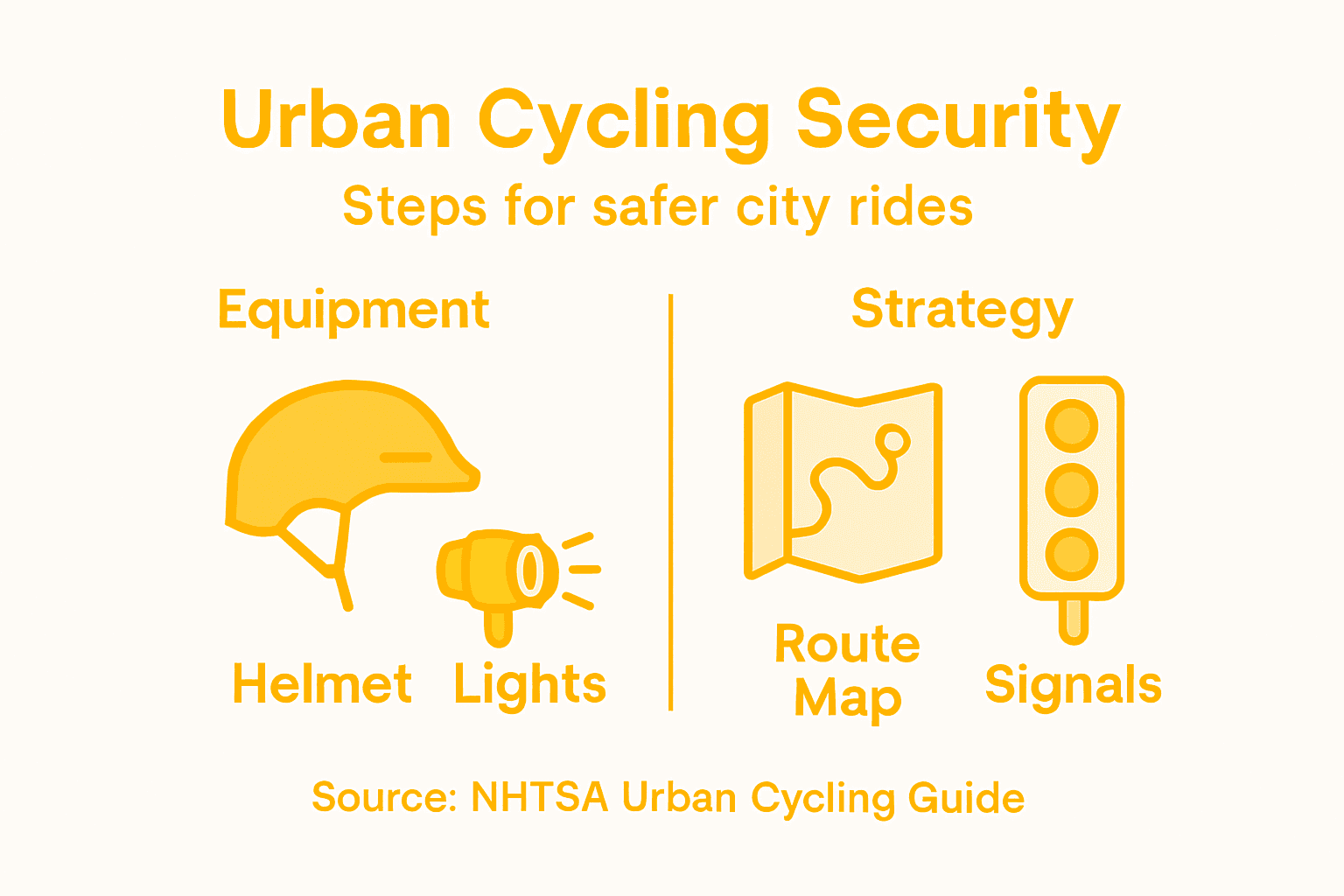
Pro tip: Create a digital maintenance checklist and set calendar reminders to ensure consistent safety verification.
Boost Your Urban Cycling Safety with THE BEAM
Urban cycling presents clear challenges like low visibility, complex traffic patterns, and the need for advanced protection highlighted in safety guides. You deserve gear that matches these demands by providing superior visibility, comfort, and smart design. Whether you want to upgrade your lighting setups, choose a helmet with integrated safety technology, or improve your signaling, THE BEAM has you covered.
Explore our innovative collection of high-performance lighting solutions designed for maximum road presence and adaptability. Pair this with our secure mounts for rear and front lighting to ensure your signals stay visible and reliable in every ride. All our gear, including the flagship VIRGO integral helmet with MIPS technology, is engineered for real-world urban safety.
Take control of your urban commute safety today. Visit THE BEAM official website and equip yourself with cycling safety equipment that transforms risk into confidence. Don’t wait for risk to find you. Act now and ride safer tomorrow.
Frequently Asked Questions
How can I assess my cycling risks for urban commutes?
To assess your cycling risks, analyze your usual routes for high-traffic areas, poorly maintained roads, and dangerous intersections. Map your typical journeys to identify potential danger zones and adjust your routes accordingly, ensuring you cover all key risk factors.
What safety equipment upgrades should I consider for urban cycling?
Consider upgrading to a helmet with multi-impact protection, high-visibility clothing, and powerful LED lights. Prioritize these items to significantly enhance your safety—aim to complete your upgrades within the next month to start benefiting immediately.
How can I improve my visibility while riding in urban areas?
Enhance your visibility by using bright clothing, reflective gear, and installing high-powered front and rear lights on your bike. Make sure to employ these visibility strategies during rides, particularly in low-light conditions, to decrease your visibility risks by approximately 30%.
What smart riding strategies can help me stay safe in traffic?
Employ smart riding strategies like maintaining situational awareness, using clear hand signals, and positioning yourself predictably on the road. Practice these techniques regularly, especially in low-traffic areas first, to develop confident riding habits before facing heavier traffic.
How often should I check my bike and safety gear for security compliance?
You should perform a thorough bike maintenance check and safety gear evaluation at least once a month. Check all components, verify fit, and test lights to ensure everything is functioning properly, helping to prevent safety issues during your commutes.
How can I create a personalized safety strategy for urban cycling?
Develop a personalized safety strategy by systematically assessing your cycling routes, upgrading your equipment, and practicing defensive riding techniques. Take this approach step-by-step, focusing on one area each week to build comprehensive knowledge and skills within 30 days.


