

TL;DR:
- Cycling equipment durability depends on material quality, fatigue testing, environmental factors, and maintenance habits. Proper maintenance, especially of the drivetrain, significantly extends gear lifespan, while environmental exposure accelerates wear. E-bike components require specialized ratings due to higher torque loads and increased wear risk.
Cycling equipment durability factors are the specific, measurable properties — material strength, fatigue resistance, environmental tolerance, and maintenance quality — that determine how long your gear performs reliably before it fails or degrades. Most cyclists focus on weight and price at the point of purchase, but the real cost of gear shows up over thousands of miles. Understanding what makes equipment last, from ISO-tested aluminum frames to properly lubricated drivetrains, gives you a genuine edge when choosing gear that holds up in the real world.
1. material quality: the foundation of bike gear longevity
Material choice is the single biggest predictor of cycling gear lifespan. Aluminum, carbon fiber, steel, and titanium each carry distinct durability profiles that affect how components respond to load, corrosion, and repeated stress.
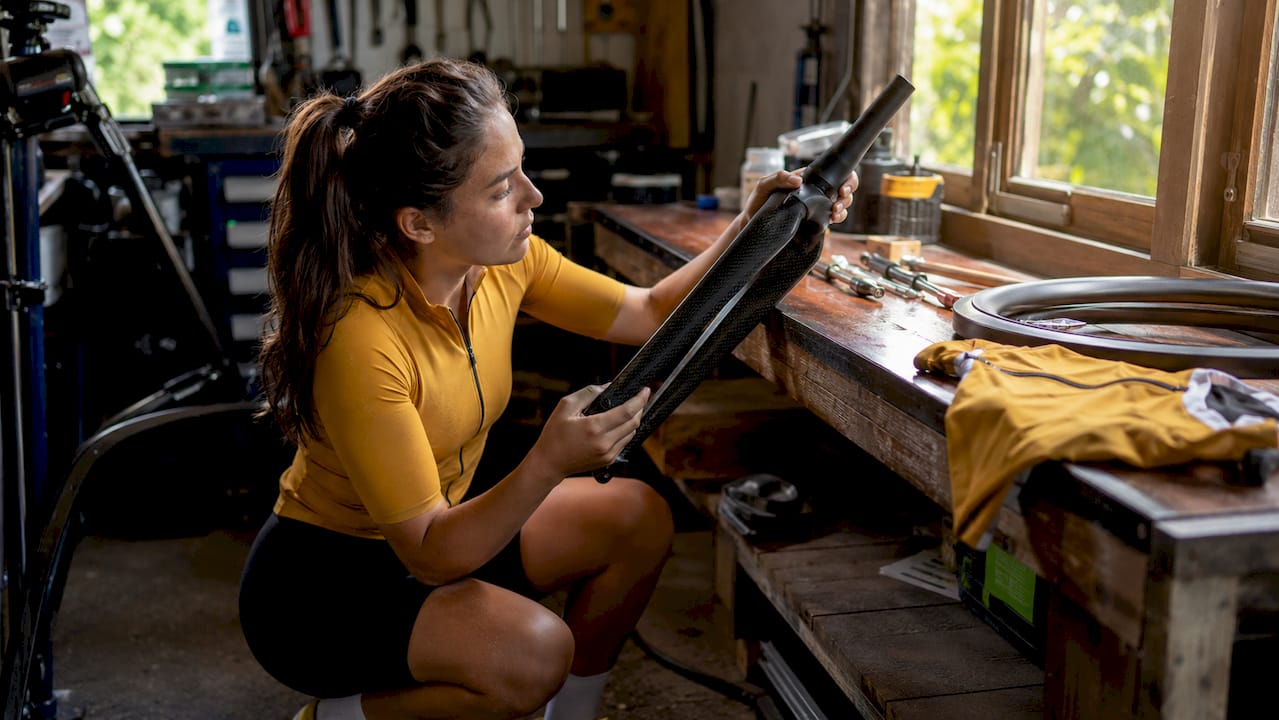
Aluminum is the most common frame and component material. It is lightweight and corrosion-resistant, but it has a finite fatigue life. Unlike steel, aluminum does not have an endurance limit, meaning it will eventually crack under repeated loading even at low stress levels. Carbon fiber offers an excellent strength-to-weight ratio but is brittle under impact. A single hard crash can create invisible internal fractures that compromise structural integrity. Steel and titanium both have true endurance limits, meaning they can theoretically survive indefinite load cycles below a threshold stress. That property makes them popular for touring and bikepacking riders who prioritize longevity over weight savings.
Surface coatings matter just as much as base material. Anodizing on aluminum and powder coating on steel both slow oxidation significantly. Uncoated steel rusts within weeks in humid conditions, while a quality powder coat can extend component life by years.
- Aluminum: Lightweight, corrosion-resistant, finite fatigue life
- Carbon fiber: High strength-to-weight, vulnerable to impact damage
- Steel: Heavy but true endurance limit, excellent for long-term use
- Titanium: Corrosion-proof, endurance limit, premium cost
- Coatings: Anodizing, powder coat, and chrome plating all extend service life
Pro Tip: When evaluating carbon components, ask the manufacturer for impact test data, not just tensile strength figures. Tensile strength tells you how hard it is to pull apart. Impact resistance tells you how it survives a crash.
2. fatigue testing and mechanical stress cycles
Fatigue is the gradual weakening of a material under repeated loading. It is the primary failure mode for frames, forks, stems, and handlebars. Understanding how manufacturers test for fatigue tells you whether a durability claim is real or just marketing language.
Standard frame fatigue testing applies cyclic loads between 100 N and 1,200 N at 10 Hz for 500,000 cycles, followed by crack inspection using liquid penetrant methods. That load range simulates the combined stresses of pedaling, braking, and road vibration across a realistic service life. The test does not just check whether the frame survives. It checks where cracks initiate, which reveals weak points in welds and joints.
| Test Type | Load Range | Cycle Count | Failure Check |
|---|---|---|---|
| Frame fatigue (ISO 4210-6) | 100 N–1,200 N | 500,000 cycles | Liquid penetrant crack detection |
| Handlebar fatigue | Variable | 100,000+ cycles | Visual and dye inspection |
| Wheel radial load | Rider weight + dynamic factor | 50,000+ cycles | Spoke tension and rim deformation |
| Drivetrain wear | Torque-specific | Mileage-based | Chain elongation measurement |
Durability validation goes beyond material strength claims. It requires specific load spectrums, defined frequencies, and nondestructive inspection methods to confirm structural integrity. A manufacturer who cannot provide test protocol details is relying on material specs alone, which is not the same thing.
“Designers condense a bike’s lifetime exposure into accelerated lab tests combining environment and mechanical cycling for precise durability data.” — Lyft Urban Solutions
E-bikes add a layer of complexity here. E-bike drivetrains endure higher mechanical loads and wear faster than traditional bicycles because electrification increases torque demands on chains and cassettes beyond what standard fatigue tests account for. If you ride an e-bike, look specifically for components rated for motor-assisted torque loads.
3. environmental factors affecting cycling gear durability
The environment your bike lives in accelerates or slows every wear mechanism. Temperature, humidity, salt, and UV exposure all degrade materials at different rates, and most cyclists underestimate how much their local climate shortens component life.
Salt is the most aggressive environmental stressor for metal components. Coastal riders who leave bikes unwashed after rides expose steel bolts, aluminum interfaces, and cable housing to accelerated corrosion that can seize components within a single season. Salt spray testing in labs replicates this by exposing components to a 5% sodium chloride mist for hundreds of hours to simulate years of coastal exposure.
Temperature cycling is equally damaging. Repeated freeze-thaw cycles expand and contract metal and composite materials at different rates. Carbon fiber layups bonded with epoxy resins are particularly vulnerable to delamination when temperature swings are extreme and frequent.
Shared urban bikes undergo accelerated lab testing that simulates years of environmental exposure in weeks. Environmental chambers combine temperature cycling, humidity variation, and salt spray with simultaneous mechanical loading. That combination reveals failure modes that no single-factor test would catch.
- Coastal environments: Rinse bikes after every ride; inspect bolts monthly for corrosion
- Cold climates: Use wet lubricants in winter; check carbon components for delamination each spring
- Urban environments: Brake dust and road grime accelerate rim and rotor wear; clean weekly
- High UV exposure: UV degrades rubber seals, cable housing, and some composite resins over time
Pro Tip: Store your bike indoors whenever possible. A garage is better than a shed. A shed is better than outside. Temperature and humidity stability alone can add years to component life without a single product purchase.
4. maintenance as a durability multiplier
Maintenance is the most underrated cycling equipment durability factor. The best materials and the most rigorous fatigue testing cannot compensate for a neglected drivetrain. Proper upkeep directly extends the functional lifespan of every moving part on your bike.
Chain care is the highest-return maintenance task you can perform. Proper chain maintenance can double its lifespan and keeps drivetrain efficiency above 97%. That matters because a worn chain accelerates cassette and chainring wear, turning a $30 chain replacement into a $150 drivetrain overhaul.
The correct maintenance sequence matters as much as frequency:
- Clean the chain before applying any lubricant. Adding fresh lube over contaminated links creates an abrasive paste that accelerates wear faster than running dry.
- Choose the right lubricant type. Wet lubes suit rain and mud. Dry lubes suit dusty, dry conditions. Using a wet lube in dry conditions attracts grit; using a dry lube in rain washes out quickly.
- Measure chain elongation with a chain wear indicator tool. Replace chains at 0.5% elongation to protect the cassette from accelerated wear.
- Inspect cables and housing every three months. Frayed cables and cracked housing increase friction and reduce braking and shifting precision.
- Check bearing preload on hubs, headsets, and bottom brackets. Loose bearings cause play that accelerates race and cup wear. Overtight bearings create friction that generates heat and speeds up seal failure.
You can find detailed guidance on helmet maintenance practices that apply the same principles of regular inspection and proper cleaning to protective gear.
5. how to compare durability when buying cycling equipment
Comparing durability claims across brands requires a structured approach. Manufacturer marketing language rarely gives you the data you need to make an informed decision. The distinction between fatigue testing and durability testing is a good place to start.
Fatigue testing focuses on cyclic failure resistance. Durability testing covers variable loads, multi-factor environments, and mission-specific profiles. A frame that passes a fatigue test is not automatically validated for all real-world conditions. Ask whether the product has been tested under combined environmental and mechanical stressors, not just one or the other.
| Evaluation Criterion | What to Look For | Red Flag |
|---|---|---|
| Material specification | Named alloy grade or fiber layup spec | “High-quality aluminum” with no grade |
| Test standard | ISO 4210, EN 14781, or equivalent | No standard cited |
| Environmental rating | Salt spray hours, IP rating for electronics | No environmental data |
| Warranty length | 2+ years with clear failure coverage | 90-day warranty only |
| Replacement part availability | Parts stocked for 5+ years | No parts program |
Budget components often skip third-party testing entirely. Premium components from brands like Shimano, SRAM, and Campagnolo publish wear data and test protocols. That transparency is itself a durability signal. You can also check resources like cycling sport advice guides for independent equipment assessments that go beyond brand claims.
Understanding helmet lifespan factors follows the same evaluation logic: look for test standards, material specs, and replacement timelines rather than relying on brand claims alone.
6. how e-bike use changes the durability equation
E-bikes place fundamentally different demands on components than traditional bicycles. Riders and buyers who apply standard durability expectations to e-bike gear will consistently be disappointed by shorter-than-expected service intervals.
Motor-assisted torque loads stress chains, cassettes, and rear derailleurs at levels that exceed the design assumptions of many standard components. The wear analysis of bicycle chain joints published in the Journal of Science and Cycling confirms that e-bike drivetrains require adapted lubrication strategies and more frequent replacement intervals. Chains rated specifically for e-bike use, such as those from KMC and Shimano’s e-bike specific lines, use thicker plates and reinforced pins to handle the added load.
Frame fatigue is also affected. The added weight of the motor and battery, combined with the higher average speeds e-bikes sustain, increases the cumulative load on welds and joints over time. Buyers should look for frames tested under e-bike-specific load protocols, not just standard ISO 4210 bicycle frame tests.
Key takeaways
Long-lasting cycling equipment depends on material quality, validated fatigue testing, environmental protection, and consistent maintenance working together as a system.
| Point | Details |
|---|---|
| Material choice drives baseline durability | Steel and titanium offer endurance limits; aluminum and carbon require closer monitoring. |
| Fatigue testing validates real-world claims | Look for ISO 4210 or equivalent test data, not just material specifications. |
| Environment accelerates all wear mechanisms | Salt, humidity, and temperature cycling shorten component life faster than mechanical use alone. |
| Maintenance doubles component lifespan | Clean before lubricating, match lube to conditions, and replace chains at 0.5% elongation. |
| E-bikes require e-bike-rated components | Standard drivetrain parts wear significantly faster under motor-assisted torque loads. |
What i’ve learned after years of evaluating cycling gear
The most common mistake I see cyclists make is treating durability as a fixed property of a product. It is not. Durability is an outcome. It is the result of material quality meeting real-world conditions and maintenance habits. A titanium frame neglected in a salt-air environment will outlast a carbon frame stored indoors. But that same carbon frame, properly maintained and kept out of impact situations, will outlast a poorly welded aluminum frame tested to minimal standards.
The second mistake is trusting marketing language over test data. Words like “aircraft-grade aluminum” and “military-spec carbon” mean nothing without a cited alloy grade or a referenced test standard. When I evaluate gear, I look for three things: a named material specification, a cited test protocol, and a realistic warranty. If a brand cannot provide all three, I assume the durability claim is aspirational.
Maintenance is where most cyclists leave the most performance on the table. Doubling chain life through proper cleaning and lubrication is not a marginal gain. It is a compounding one. Every chain you save from premature wear protects the cassette and chainring behind it. The savings add up to hundreds of dollars over a riding season.
My honest recommendation: spend 20% more on components from brands that publish test data, and spend 30 minutes per month on proper drivetrain maintenance. That combination will outperform any single product upgrade you can make.
— Sophie
Gear built to last: explore thebeamofficial’s helmet range
If durability factors matter to you in drivetrain components and frames, they matter even more in the gear protecting your head. Thebeamofficial designs helmets built to real safety standards, not just minimum compliance thresholds. The VIRGO integral helmet with MIPS technology is tested for both impact performance and long-term structural integrity, giving you protection that holds up ride after ride.
Thebeamofficial serves road, gravel, urban, and e-bike cyclists across Europe and the United States with helmets and cycling safety accessories engineered for lasting value. Browse the full adults’ helmet collection to find gear that matches your riding conditions and durability standards.
FAQ
What are the main cycling equipment durability factors?
The primary factors are material quality, mechanical fatigue resistance, environmental exposure, and maintenance consistency. Each one directly affects how long components perform before failure or replacement.
How do i test bike equipment durability before buying?
Ask manufacturers for ISO test standard references and third-party test data. Frame fatigue tests under ISO 4210-6 apply loads of 100 N–1,200 N for 500,000 cycles and are the most reliable benchmark for structural durability.
How does weather affect bike gear longevity?
Salt spray, humidity, and temperature cycling accelerate corrosion and material degradation significantly. Coastal and winter riders should rinse bikes after every ride and use weather-matched lubricants to slow environmental wear.
When should i replace my bike chain?
Replace your chain when it reaches 0.5% elongation, measured with a chain wear indicator tool. Waiting longer accelerates cassette and chainring wear, which costs significantly more to replace.
Do e-bikes wear out components faster?
Yes. E-bike drivetrains experience higher torque loads than traditional bicycles, which shortens chain and cassette life. Use components specifically rated for e-bike use and follow shorter replacement intervals than standard recommendations.


