

City streets are unforgiving. Between distracted drivers, opening car doors, and poorly lit intersections, urban cycling demands more than just confidence on two wheels. US urban bicyclist fatalities are disproportionately high compared to rural areas, yet most riders still skip basic preparation. This checklist cuts through the noise and gives you a clear, evidence-backed system covering mechanical checks, essential gear, on-road tactics, and regional safety insights so you can ride smarter every single day.
Table of Contents
- Pre-ride mechanical safety checklist
- Must-have safety gear for urban cyclists
- Urban riding strategies: Position, signaling, and interacting
- Navigating urban edge cases: Night rides, intersections, and heavy vehicles
- Comparing urban cycling safety approaches in Europe and the U.S.
- Optimize your urban cycling safety with recommended gear
- Frequently asked questions
Key Takeaways
| Point | Details |
|---|---|
| Always check your bike | Inspect brakes, wheels, and lights before every city ride to ensure safety and reliability. |
| Helmet and lights are vital | Certified helmet use and strong lighting prevent injuries and improve visibility, especially in urban traffic. |
| Adopt urban riding strategies | Take the lane when needed, signal early, and use protected infrastructure for safer commuting. |
| Gear up for edge cases | Bright lights, high-vis clothing, and awareness at intersections are key to handling city-specific hazards. |
| Learn from global trends | Comparing safety habits in Europe and the U.S. reveals best practices that can reduce accident risk. |
Pre-ride mechanical safety checklist
Mechanical reliability is the foundation of safe city commuting. A bike that fails mid-ride in traffic is far more dangerous than one that breaks down on a quiet trail. The good news: a thorough pre-ride check takes under five minutes and can prevent the majority of on-road failures.
A solid urban safety checklist covers seven critical areas before every ride. Here is what to inspect:
- Brakes: Squeeze both levers firmly. Each should engage well before hitting the handlebar. If they feel spongy or loose, adjust cable tension before riding.
- Wheels and tires: Spin each wheel and check for wobble. Press the tire sidewall to confirm proper inflation. A flat or underinflated tire dramatically reduces braking performance on wet pavement.
- Steering and handlebars: Hold the front wheel between your knees and try to twist the bars. Any movement means a loose stem that needs tightening immediately.
- Chain and drivetrain: A dry or rusty chain skips under load and wears your gears faster. A quick wipe and light lube takes 30 seconds.
- Saddle: Grab the saddle and try to wiggle it. A loose saddle shifts your weight unpredictably in traffic.
- Lights and reflectors: Click both front and rear lights on. Replace batteries or charge units if output looks dim.
- Helmet fit: Place it level on your head, two fingers above your eyebrows. The chin strap should allow only one finger underneath.
The comprehensive pre-ride inspection covers brakes, wheels, steering, chain, saddle, lights, and helmet fit as the seven non-negotiable checkpoints for city riders. Skipping even one of these in traffic conditions is a calculated risk you do not need to take.
Pro Tip: Before every city ride, squeeze both brake levers while pushing the bike forward. If the wheels roll instead of locking, you have a brake problem that needs fixing before you leave.
Must-have safety gear for urban cyclists
Once your bike is mechanically sound, the right gear makes you visible, protected, and prepared for the unexpected. City riding at any hour requires a specific kit that balances protection with practicality.
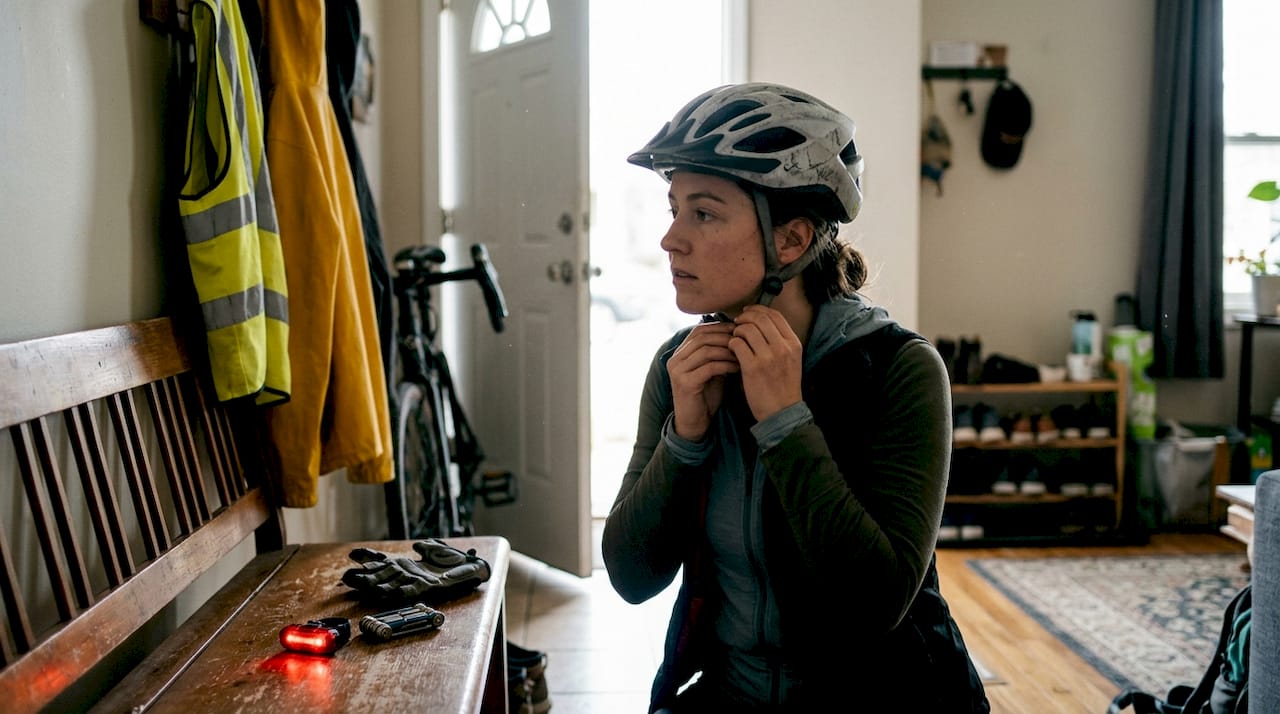
Start with your helmet. Look for CPSC or CE certification as the baseline standard, and consider MIPS technology for added rotational impact protection. MIPS (Multi-directional Impact Protection System) adds a low-friction layer inside the helmet that reduces rotational forces on the brain during angled impacts, which are the most common type in real crashes. Despite this, helmet use in European cities ranges from just 4.5% to 66% depending on the country, meaning millions of urban riders are still unprotected.
Here is the core gear list every urban cyclist should own:
- Certified helmet with CPSC (U.S.) or CE EN1078 (Europe) approval, ideally with MIPS
- Front light at 200 lumens minimum for daytime urban use, 400+ for night riding
- Rear light at 50 to 100 lumens, with a flashing mode for maximum visibility
- Reflective clothing or vest to supplement active lighting
- Minimalist reflectors on the frame or wheels for passive 360-degree visibility
- U-lock rated Sold Secure Gold or equivalent for city security
- Repair kit with a spare tube, tire levers, and a mini pump
For a deeper look at what separates good gear from great gear, explore cycling safety accessories designed specifically for urban conditions.
| Gear item | Minimum standard | Recommended upgrade |
|---|---|---|
| Helmet | CPSC or CE EN1078 | MIPS certified, full-face option |
| Front light | 200 lumens | 400+ lumens, day flash mode |
| Rear light | 50 lumens | 100 lumens, brake sensor |
| Reflectors | Basic frame mount | 360-degree wheel reflectors |
| Lock | Sold Secure Silver | Sold Secure Gold U-lock |
Studies on helmet injury risk confirm that wearing a certified helmet significantly reduces the severity of head injuries in crashes. Understanding the types of cycling helmets available helps you match protection level to your actual riding environment.
Pro Tip: Mount a rear-facing light on the back of your helmet rather than just your seat post. It moves with your head, stays visible when you lean forward, and sits at eye level for drivers behind you.
Urban riding strategies: Position, signaling, and interacting
Gear and mechanics only take you so far. How you ride in traffic determines your actual risk level more than almost any other factor. These are the behaviors that matter most.
- Take the lane when necessary. On narrow streets where a car cannot safely pass, ride in the center of the lane. This prevents dangerous close passes and forces drivers to wait for a safe opportunity to overtake.
- Signal early and clearly. Extend your arm at least three seconds before turning. Early signals give drivers and pedestrians time to react, not just time to notice you.
- Make eye contact. Before crossing an intersection or pulling into traffic, catch the driver’s eye. A nod or wave confirms they see you. Never assume.
- Use bike lanes and protected infrastructure. Protected lanes and bike boxes measurably reduce collision risk at intersections. When they exist, use them consistently.
- Avoid the door zone. Ride at least one meter from parked cars. This gives you reaction time if a door opens suddenly.
“Safety in numbers” is a real and documented phenomenon. As more cyclists share city roads, drivers become more accustomed to watching for them, and crash rates per cyclist drop significantly.
For a broader understanding of urban road safety concepts, including how to read traffic patterns and anticipate driver behavior, it is worth investing time in structured cycling education alongside your gear upgrades.
Navigating urban edge cases: Night rides, intersections, and heavy vehicles
General city cycling skills cover most situations, but a few specific scenarios carry outsized risk. Knowing how to handle them in advance is what separates cautious riders from truly safe ones.
Night riding changes everything. Safe night riding requires a front light of 200 to 400 lumens and a rear light of 50 to 100 lumens, plus high-visibility layers on top of your regular kit. Reflective ankle bands are especially effective because they move rhythmically and attract driver attention faster than static reflectors.
Intersections are where most serious urban crashes happen. Slow down on approach, position yourself where drivers can see you, and never assume a green light means it is safe to proceed. Check for turning vehicles before committing.
Dooring from parked cars is a frequent urban risk that sends thousands of cyclists to emergency rooms each year. The Dutch Reach method, where drivers open their door with the far hand, forces them to turn and check for cyclists. You cannot control that, but you can control your lane position.
Heavy goods vehicles (HGVs) have large blind spots on the left side (or right side in the U.S.). Never pass a truck on the inside at an intersection. Wait behind it or pass well clear on the outside.
| Scenario | Key risk | Risk reduction tactic |
|---|---|---|
| Night riding | Low visibility | 400-lumen front, reflective layers |
| Intersections | Turning vehicles | Slow approach, eye contact, position |
| Dooring | Parked car doors | Ride 1 meter from parked cars |
| HGVs | Blind spots | Never pass on inside at junctions |
For the right urban cycling safety accessories to address these specific scenarios, including frame-mounted reflectors and helmet-mounted lights, check what is available for your setup.
Comparing urban cycling safety approaches in Europe and the U.S.
Safety culture, infrastructure, and gear habits vary significantly between Europe and the United States. Understanding those differences helps you apply the right lessons regardless of where you ride.
Helmet use in European urban areas ranges from 4.5% in some countries to 66% in others, with northern European nations leading adoption. U.S. rates tend to be higher overall, partly driven by state-level helmet laws and stronger safety marketing. But helmet use alone does not tell the full story.
| Factor | Europe (average) | United States |
|---|---|---|
| Urban helmet use | 4.5% to 66% | Higher, varies by state |
| Protected bike lanes | More widespread | Growing but inconsistent |
| Cycling modal share | Higher in NL, DK, DE | Lower overall |
| Urban fatality share | Lower per km cycled | ~79 to 82% of all bike fatalities |
The U.S. data is striking. Urban environments account for the vast majority of cyclist fatalities, even though urban riders often travel shorter distances than rural ones. Exposure-adjusted risk, meaning fatalities per kilometer cycled, reframes the picture: European cities with dense cycling infrastructure and high cycling modal share actually show lower per-trip risk.
The safety in numbers effect is a key reason. Cities like Amsterdam and Copenhagen have so many cyclists that drivers are conditioned to watch for them constantly. That behavioral shift reduces crash rates across the board.
For U.S. riders, the practical takeaway is clear: advocate for infrastructure, ride visibly, and do not rely on drivers to protect you. For European riders in cities with lower cycling density, the same logic applies. Explore urban helmet types that balance protection with the comfort needed for daily commuting.
Stat callout: In the U.S., urban areas account for approximately 79 to 82% of all bicyclist fatalities, yet many of these deaths involve riders without helmets or adequate lighting.
Optimize your urban cycling safety with recommended gear
You now have a complete framework: a mechanical checklist, a gear list, proven on-road tactics, and a regional perspective on what actually keeps city cyclists safe. The next step is putting the right equipment on your bike.
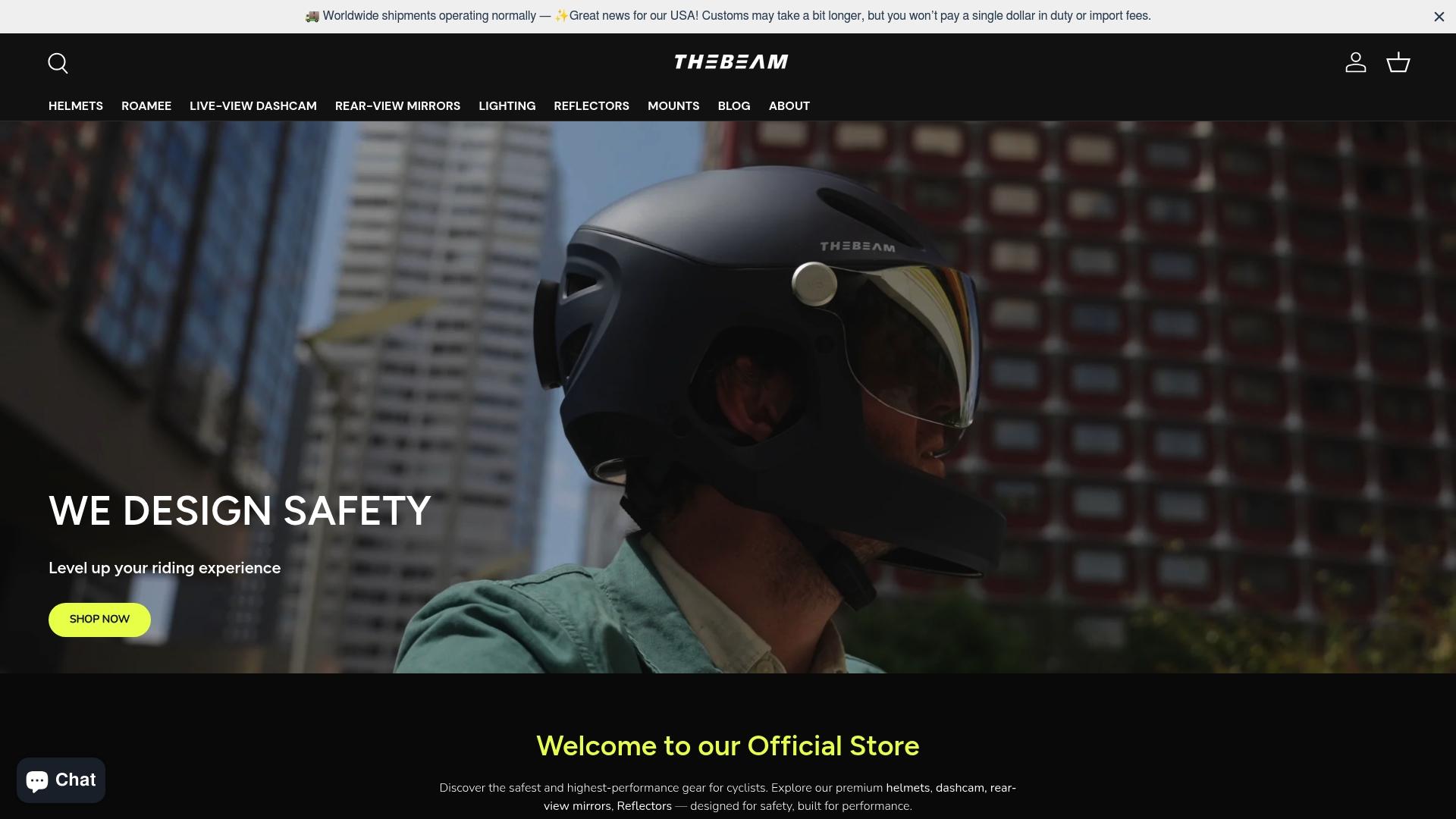
At THE BEAM, we design safety gear specifically for urban and everyday cyclists who refuse to compromise on protection or style. Our Frame Flash minimalist reflectors add 360-degree passive visibility without cluttering your setup. Our VIRGO integral helmet with MIPS technology delivers certified head protection built for city conditions. Browse our full range of urban cycling gear to find the right combination for your commute. And if you want to push your riding further, check out our ultracycling event for community and challenge.
Frequently asked questions
What is the most critical item in an urban cyclist safety checklist?
A certified helmet and adequate lighting are the two most vital items, directly reducing head injury risk and making you visible to drivers in all conditions.
How often should I perform a pre-ride bike check?
Check brakes, wheels, and lights before every ride. It takes under five minutes and catches issues before they become emergencies in traffic.
Are two-way bike lanes more dangerous than one-way lanes?
Contrary to common assumption, exposure-adjusted injury rates are actually slightly higher in one-way lanes, meaning two-way lanes are not inherently more dangerous.
Does ‘safety in numbers’ really reduce crash risk for urban cyclists?
Crash rates drop measurably as more cyclists share city roads, because drivers become more alert and infrastructure investment tends to follow higher cycling volumes.
How can I avoid dooring accidents in city traffic?
Ride at least one meter from parked cars and scan for movement inside vehicles, especially near intersections where drivers are more likely to exit quickly.


