

Cycling in European cities like Berlin or Paris promises freedom and convenience, but urban traffic can feel overwhelming. You need more than just a helmet and quick reflexes to stay safe and comfortable on busy streets. Missing a crucial step in your bike check or riding with poor visibility can turn a routine commute into a hazardous situation.
This guide delivers clear, practical steps that address real challenges every urban cyclist faces. You will discover how to select the right helmet, master critical pre-ride checks, and equip yourself for unpredictable city conditions.
Explore proven techniques and smart habits that make your ride safer, more visible, and less stressful—even during peak traffic or poor weather. Your next ride can be smoother and safer when you put these expert-backed tips into action.
Table of Contents
- Check Helmet Fit And MIPS Safety Features
- Inspect Brakes And Tire Condition Before Riding
- Use High-Visibility Reflectors And Apparel
- Ensure Rear-View Mirrors Are Positioned Properly
- Test And Charge All Bike Lights Regularly
- Secure Personal Belongings And Emergency Kit
- Plan Safe Urban Routes In Advance
Quick Summary
| Takeaway | Explanation |
|---|---|
| 1. Ensure Proper Helmet Fit | A helmet should fit snugly and level on your head to provide maximum protection. Adjust the chin strap for security. |
| 2. Regularly Inspect Brakes and Tires | Conduct a pre-ride A-B-C check to ensure your bike is safe; monitor air pressure, brake function, and chain condition. |
| 3. Use High-Visibility Materials | Combine reflective apparel with bike lights for optimal visibility, especially in low-light conditions. This enhances your presence to drivers. |
| 4. Proper Mirror Positioning | Install your rear-view mirror on the left side to monitor traffic effectively without losing focus on the road ahead. |
| 5. Create a Safe Route Plan | Plan your commute route using bike-friendly streets and ensure you have contingency routes to avoid unexpected hazards. |
1. Check Helmet Fit and MIPS Safety Features
Your helmet is your first line of defense on city streets, but only if it actually fits your head correctly. Most helmet problems stem from poor fit rather than the brand or features alone. A helmet that sits loose, shifts during rides, or doesn’t conform to your head shape won’t protect you when it matters most.
Helmets need three things to work effectively for you: proper conformity to your head shape, secure retention systems that keep the helmet stable, and compliance with safety standards. When you’re navigating German city streets or commuting through French traffic, a helmet that slips or rotates during impact fails when you need it most.
Understanding Proper Helmet Fit
Start by measuring your head circumference at the widest point just above your eyebrows. This measurement determines your helmet size, and it’s the foundation of everything else. Next, put on the helmet and check these critical fit points:
- The helmet should sit level on your head, not tilted back or forward
- Your forehead should have about one finger’s width of space between the helmet and skin
- The sides should feel snug but not painfully tight
- You should not be able to rotate or shift the helmet by moving your head side to side
- How your helmet should fit involves more than just size; the retention system and padding adjustment make the real difference
Many urban cyclists skip the strap adjustment step entirely. The chin strap needs to be tight enough that you can only fit one finger underneath when fastened. Too loose and your helmet comes off during a fall. Too tight and you’ll abandon wearing it altogether because it’s uncomfortable.
A helmet sitting correctly on your head can reduce impact forces significantly, but a poorly fitted helmet loses much of its protective capability.
MIPS Technology and What It Actually Does
MIPS stands for Multi-Directional Impact Protection System, and it’s designed specifically to handle what happens during angled impacts. When you hit pavement at an angle, your brain experiences rotational forces that standard helmets don’t fully address. MIPS works by adding a thin, low-friction layer inside the helmet that allows controlled movement relative to your head during impact.
During an angled collision, the MIPS layer reduces rotational motion transmitted to your brain. This matters because rotational forces can cause more severe brain injuries than straight impacts. For urban cyclists dealing with unexpected obstacles, parked cars, or traffic situations, this extra protection layer addresses a real risk.
Choosing helmets with MIPS technology enhances your protection, but fit remains the most critical factor. A poorly fitting helmet with MIPS won’t protect as well as a properly fitted helmet without it. Think of MIPS as a valuable upgrade to an already solid foundation, not a substitute for proper fit.
When evaluating helmets, look for:
- MIPS certification badge inside the helmet
- Clear documentation of which safety standards it meets (EN 1078 in Europe)
- Retention system that allows fine-tuning for your head shape
- Padding that doesn’t compress over time after a few weeks of use
MIPS technology in cycling helmets represents meaningful progress in brain protection, particularly for the angled impacts urban riders face regularly.
Making Your Selection Count
When you’re choosing a helmet for commuting or daily city riding, focus on fit first. Spend time adjusting the retention system and padding until the helmet feels like part of your head, not something sitting on top of it. Your comfort directly impacts how consistently you’ll wear it, and you can only be protected while wearing it.
If you’re upgrading to an e-bike or increasing your riding frequency in urban traffic, consider MIPS as part of your investment in better protection. The extra cost is reasonable given the technology’s proven effectiveness at reducing rotational impact forces. Your brain is too important to skip this layer of protection when navigating busy European city streets.
Test your helmet adjustment weekly. Padding compresses, straps stretch slightly, and your fitting might shift over months of use. What fits perfectly in the shop might need adjustment after regular riding. Keep your retention system tight and your padding properly compressed so your helmet stays exactly where it should be.
Pro tip: Take a video of yourself adjusting your helmet at home, then review it after your first week of riding to confirm the fit is holding steady and the helmet isn’t shifting during movement.
2. Inspect Brakes and Tire Condition Before Riding
Your brakes and tires are the only things keeping you upright and in control when navigating busy city streets. A flat tire or brake failure can turn a routine commute into a dangerous situation in seconds. Before every ride, spend five minutes checking these critical components so you’re confident in your bike’s stopping power and grip.
Performing a quick pre-ride inspection takes minimal time but prevents most common mechanical failures. This isn’t about overhauling your bike weekly. It’s about catching problems before they strand you on the road or compromise your safety during an unexpected stop.
The A-B-C Check System
Professionals use a simple three-part system called the A-B-C check that covers everything you need to know before rolling out:
- Air - Check tire pressure and condition
- Brakes - Test stopping power and pad wear
- Chain - Verify the chain is clean and properly tensioned
This method works for regular bikes, e-bikes, and everything in between. Urban commuters in France and Germany especially benefit from this routine since city riding demands reliable brakes in tight situations.
Inspecting Your Tires Properly
Your tires need two things from you: proper air pressure and freedom from damage. Check the sidewall of your tire for the correct pressure range, usually measured in PSI (pounds per square inch) or bar. Most urban tires run between 50 and 85 PSI depending on tire width and your weight. Under-inflated tires increase rolling resistance and risk pinch flats. Over-inflated tires reduce grip and comfort.
Use a floor pump or pressure gauge to verify your tires are within the recommended range. This takes 30 seconds and makes an enormous difference in how your bike handles. While you’re checking pressure, physically inspect the tire surface for damage:
- Look for cuts, nicks, or punctures that expose the inner tube
- Check for embedded glass, thorns, or metal particles
- Examine tread wear patterns for uneven or severely worn areas
- Run your hand around the tire to feel for anything sharp
If you find a cut deeper than 1/8 inch or any damage that exposes the tire’s internal structure, replace the tire before riding. A failing tire can leave you stranded kilometers from home, and on busy streets, that’s worse than inconvenient.
Proper tire pressure and condition prevent flats and ensure your bike handles predictably in traffic situations.
Testing Your Brakes Before You Ride
Brake failure during urban riding is serious. You need to trust that squeezing your brake levers will stop your bike immediately and consistently. Test your brakes while standing still in your driveway or parking area, not when you’re already moving through traffic.
Squeeze each brake lever firmly and verify that the brake engages smoothly without requiring excessive force. The brake pad should contact the rim or rotor with clear resistance. If the lever feels mushy, travels too far before engaging, or barely slows the wheel, something needs adjustment or repair.
Check these specific brake components:
- Brake pads should have visible material remaining, not worn flush with the backing plate
- Brake cables should be intact with no fraying or cuts
- Cables should be tight and responsive with no excess slack
- The brake should not rub against the wheel when you spin it freely
- Both front and rear brakes should engage with similar pressure and response
For e-bikes or hydraulic disc brakes, the system should feel solid with no spongy sensation. If your brakes feel questionable, don’t assume they’ll improve once you’re riding. Take five minutes to adjust or replace what’s needed. A brake service now prevents an emergency stop that could throw you over the handlebars.
Making This a Weekly Habit
Incorporate this inspection into your routine so thoroughly that skipping it feels wrong. Some riders do it every morning before leaving. Others dedicate Sunday evenings to checking their bikes before the week ahead. Urban commuters benefit from even more frequent checks since city riding subjects your bike to harder stops and rougher road conditions.
When you notice something questionable during your check, address it immediately. A cable that’s slightly loose today will be problematic tomorrow. Brake pads that look worn will fail next week. This preventive approach keeps you safe and saves money on emergency repairs.
E-bike safety tips emphasize brake and tire maintenance as foundational safety practices for daily urban riding.
Pro tip: Keep a simple maintenance log on your phone noting when you checked your brakes and tires, plus any adjustments made. This habit helps you spot patterns and catch wear before it becomes dangerous.
3. Use High-Visibility Reflectors and Apparel
Visibility is your greatest ally on urban streets. If drivers cannot see you, they cannot avoid you, and no amount of skill or defensive riding changes that equation. High-visibility reflectors and apparel transform you from someone a driver might miss into someone they notice from multiple angles and distances.
This goes beyond wearing a bright yellow jacket once a year. Strategic use of reflective materials, combined with lights and smart clothing choices, creates a visibility system that works in daylight, dusk, and complete darkness. Urban commuters in France and Germany face varying light conditions throughout the year, making this strategy essential for year-round safety.
How Reflectivity and Visibility Actually Work
Reflective materials don’t generate light like lights do. Instead, they bounce light from vehicle headlights, streetlights, and other sources directly back toward the source. This return of light creates a dramatic visibility boost that drivers recognize instantly. When light hits a reflective surface on your bike or body, it appears to glow, which triggers immediate driver awareness.
Combining reflective apparel with active lights maximizes detection probability. Research shows that reflective and fluorescent clothing paired with lights creates the strongest detection signal. Drivers spot cyclists with this combination from significantly greater distances than they spot unequipped riders.
The science behind biomotion recognition explains why reflector placement matters. When reflective materials sit on moving parts like your ankles, knees, or wrists, they create a moving pattern that human brains recognize as motion. This biological motion detection system kicks in even before conscious recognition. A cyclist with reflective ankle bands is spotted faster than one with just static reflectors on the frame.
Strategic Reflector Placement
You don’t need reflectors everywhere. Smart placement amplifies effectiveness and creates redundancy so drivers see you from multiple angles. Focus on these high-impact locations:
- Wrists and ankles with reflective bands or straps that move with your limbs
- Rear of your bike with high-visibility tape or reflective panels
- Pedals with reflective plates visible from the side
- Helmet with reflective stickers or built-in reflective surfaces
- Frame with a reflective stripe running front to back
Reflectors on your bike are essential, but moving reflectors on your body matter even more. A reflective band around your ankle creates constant motion that catches driver attention immediately. This biomotion element is so effective that some cyclists skip frame reflectors and focus entirely on wearable reflectors.
High-visibility gear for cyclists provides 360-degree visibility that passive reflectors alone cannot achieve.
Building Your Visibility System
Start with a solid foundation of reflective apparel that you actually wear every ride. This might be reflective cycling socks, a reflective vest, or a jacket with built-in reflective panels. The best reflective apparel is the kind you’ll wear consistently, not the fancy option that sits in your closet.
Add bike-specific reflectors to cover the angles that apparel misses. Install rear reflectors that face directly backward, side reflectors on your wheels or frame, and front reflectors that point forward. Many e-bikes come with integrated reflectors, but verify they’re clean and unobstructed after rainy rides or winter weather.
Complete your system with active lights. Reflectors work brilliantly when light sources are present, but they need something to reflect. Active lights provide their own illumination, working in conditions where reflectors alone fall short. A rear light is non-negotiable for evening and morning commuting. A front light helps you see ahead while also announcing your presence.
Consider these visibility layers:
- Reflective or fluorescent clothing that covers your torso
- Reflective ankle or wrist bands that create biomotion
- Rear and front bike lights that work year-round
- Frame reflectors supplementing your light and apparel system
- Reflective tape or stickers on your helmet for side visibility
The combination creates redundancy. If one element fails or goes unnoticed, others compensate. A driver who misses your lights might spot your reflective ankle band. Another driver who doesn’t see your ankle band will see your rear light.
Seasonal Visibility Adjustments
Your visibility needs change with the seasons. Winter commuting in Germany or France often means riding in darkness during peak traffic times. Summer riding might be in daylight, but that doesn’t eliminate the need for visibility upgrades. Early morning and evening summer commutes still require the same attention to visibility.
In winter, prioritize lights and apparel since darkness dominates your riding time. In spring and summer, reflectors and light-colored apparel keep you visible even during daylight hours. Fluorescent yellow or orange stands out dramatically in daylight, while reflective materials become crucial once light fades.
Regularly inspect your reflectors for damage or degradation. Road salt, ice, dirt, and UV exposure degrade reflective surfaces over time. Replacement reflectors are inexpensive compared to the safety benefit they provide. If your reflective gear looks worn or dirty, clean it or replace it.
Smart visibility placement means drivers spot you from multiple angles, not just directly behind or in front.
Pro tip: Wear a reflective ankle band on your dominant leg during early morning or evening commutes. This single biomotion element is often spotted first by drivers, giving them a split-second longer to react to your presence on the road.
4. Ensure Rear-View Mirrors Are Positioned Properly
A rear-view mirror is one of the most underrated safety tools in urban cycling. Most riders either skip them or mount them poorly, losing the entire benefit. When positioned correctly, a mirror lets you monitor traffic approaching from behind without turning your head or losing balance on busy streets.
The difference between a well-positioned mirror and a poorly mounted one is dramatic. A mirror angled just five degrees wrong shows useless reflections instead of the road behind you. Get it right, and you gain constant awareness of what’s approaching without the distraction of looking back.
Why Rear-View Mirrors Matter for Urban Riding
Urban cycling demands situational awareness, and your mirror provides information you cannot get any other way while maintaining forward focus. Turning your head to check behind you breaks your attention from the road ahead, increases your swerve risk, and consumes time you don’t have in traffic. A mirror eliminates this trade-off by giving you eyes in the back of your head.
Rear-view mirrors enhance safety by reducing the need to look back and keeping your body stable on the bike. When you don’t need to turn your head, your weight stays centered over the bike, your steering remains steady, and your forward vision never wavers. This stability matters enormously when navigating congested European city streets where distractions can cause crashes.
Mirrors work especially well for commuting and daily urban riding. Whether you’re an e-bike rider or traditional cyclist, a properly positioned mirror creates a significant safety advantage. The mirror complements defensive riding but does not replace it. You still need to check your blind spots manually and turn your head when situational changes demand it.
Positioning Your Mirror for Maximum Effectiveness
Mirror placement depends on your country’s traffic patterns. In Germany, France, and most of Europe, vehicles approach from behind on your left side in standard traffic flow. Position your mirror on the left side of your bike to capture approaching traffic naturally. This captures the primary threat from behind without requiring awkward positioning.
The mirror should mount at a height where you can see it without significantly tilting your head. Handlebar-mounted mirrors work for most cyclists and allow fine-tuning of the angle. Helmet-mounted mirrors offer an alternative that moves with your head, though handlebar mirrors are generally easier to adjust and more stable.
Once mounted, the positioning must be precise. Adjust the mirror so that you can see a wide view of the road behind you while looking straight ahead or with just a slight downward glance. The mirror should show the road surface, following vehicles, and approaching traffic without requiring you to crane your neck.
Key positioning guidelines:
- Mount on the left side to capture traffic approaching from behind
- Position at handlebar or helmet level for easy viewing
- Angle the mirror to show 30 to 50 feet of road behind you
- Ensure the mirror is stable and doesn’t vibrate during riding
- Test the positioning before committing to your route
Spend a few minutes adjusting your mirror at home before riding in traffic. Small angle changes create huge differences in what you see. Once you find the sweet spot, mark the position so you can reset it if the mirror shifts.
Rear-view mirrors for cyclists significantly reduce dangerous head-turning by providing clear visibility of approaching traffic.
Understanding Mirror Limitations and Blind Spots
Even a perfectly positioned mirror has blind spots. The area directly behind you that the mirror cannot show still exists. Very close vehicles or objects in the mirror’s dead zone require manual checking. This is why mirrors complement rather than replace head checks.
Dual mirrors increase rear visibility coverage compared to a single mirror. Having mirrors on both sides captures a wider field of view and reduces blind spots significantly. However, mounting two mirrors requires coordination and testing to ensure neither interferes with your riding or handlebar controls.
When approaching intersections, merging into traffic, or dealing with unpredictable situations, do not rely solely on your mirror. Use it as your primary information source, but verify with a physical head check when critical decisions loom. This two-layer approach gives you maximum awareness without the risk of mirror limitations.
Consider these mirror characteristics when selecting or positioning:
- Convex mirrors show wider angles but distort distance perception
- Flat mirrors show true distance but cover narrower angles
- Adjustable mirrors let you fine-tune for your specific riding style
- Vibration resistance prevents the mirror image from shaking
- Wide-angle capability shows more following traffic at once
Test your mirror by riding slowly in a parking lot before hitting city streets. Verify that you can see approaching vehicles clearly and that the mirror remains stable during bumpy riding. Adjust the angle until you feel confident in the information it provides.
Making Mirror Checks a Habit
Once you have a mirror installed and positioned correctly, use it constantly. Glance at it regularly, especially when preparing to change lanes, merge, or make turns. The mirror works best when checked frequently with quick glances rather than intense stares.
Building this habit takes a few weeks of conscious effort. After that, checking your mirror becomes automatic, like looking at a car’s rearview mirror. Urban cyclists who develop this habit report dramatically increased confidence in traffic situations because they always know what’s approaching from behind.
Check your mirror positioning weekly to ensure vibration or impact hasn’t shifted the angle. A mirror that looked perfect on Monday might be useless by Thursday if mounting brackets have loosened. Quick adjustments keep the mirror working at peak effectiveness throughout the year.
Properly positioned mirrors maintain your balance, focus, and awareness simultaneously, creating a significant safety advantage on crowded city streets.
Pro tip: Mount your mirror so you can see it with a downward glance of just 10 to 15 degrees, then check it in rhythm with your pedal strokes. This creates a natural checking pattern that feels effortless and keeps you monitoring traffic without distraction.
5. Test and Charge All Bike Lights Regularly
A dead bike light is worse than no light at all. Drivers expect to see lights and may not compensate when lights fail to appear. Regular testing and charging prevents this failure mode and keeps you visible during critical low-light riding periods.
Your lights are only effective when they work. This seems obvious, but many urban cyclists skip the maintenance step and discover a dead light only after riding in darkness. Building a simple testing and charging routine into your weekly schedule eliminates this risk entirely.
Why Light Maintenance Matters for Safety
Proper bike light functioning directly impacts your visibility and safety in traffic. Drivers rely on lights to spot cyclists, especially during early morning, evening, and night riding. A light that flickers, dims unexpectedly, or dies mid-commute removes your primary visibility tool when you need it most.
Regular maintenance and battery care ensure optimal light performance when conditions demand it. Rechargeable lights need full charging before rides. Battery-powered lights need fresh batteries at regular intervals. Lenses need cleaning because dirt and condensation reduce light output significantly.
In urban traffic, especially on European streets where weather changes rapidly, light maintenance becomes even more critical. Rain, temperature changes, and vibration from rough pavement all stress light components. A light that works perfectly in dry conditions might fail during wet weather if it hasn’t been properly inspected and maintained.
Creating a Testing and Charging Schedule
Make light maintenance automatic by scheduling it weekly. Sunday evening works well for many commuters because it gives you the whole week of reliable lights. If you ride daily in darkness, test more frequently.
Your weekly light check takes just five minutes. Perform these steps in order:
- Turn on your front light and verify it illuminates at full brightness
- Check that the rear light activates and maintains steady brightness
- Inspect both lenses for dirt, condensation, or damage
- Test any blinking or mode functions to ensure they work
- Check mounting brackets and cables for damage or looseness
After testing, charge rechargeable lights fully. For battery-powered lights, check the battery level indicator if present, or replace batteries if they’re more than a few months old. Keep spare batteries on hand so you never ride with questionable power levels.
Document your maintenance in a simple phone note or calendar reminder. Seeing a record of regular checks reinforces the habit and helps you spot patterns like whether your lights need charging every week or every two weeks.
Maintaining Lens Clarity and Light Output
Dirty lenses dramatically reduce light output. A lens covered with road spray, dirt, or condensation might put out 50 percent less light than a clean one. This degradation happens gradually, so you might not notice until your light feels noticeably dim.
Clean your light lenses weekly as part of your maintenance routine. Use a soft cloth and gentle cleaning to avoid scratching the lens material. For stubborn dirt, a little water and mild soap work well. Avoid harsh chemicals that might damage lens coatings.
Inspect your lenses for damage while cleaning. Cracks, clouding, or discoloration reduce light transmission and indicate replacement is needed. Most light lenses are replaceable components, much cheaper than replacing the entire unit.
Condensation inside the light indicates a seal failure. If you see moisture inside the lens assembly, the light needs service or replacement. Condensation will eventually cause corrosion and electrical failure.
Regular light maintenance including lens cleaning, battery checks, and cable inspection ensures your lights perform reliably when visibility matters most.
Checking Cables, Mounts, and Connections
Electrical connections corrode and loosen over time. A light that works perfectly might fail during a ride if a connection comes loose or corrodes. Physical damage to cables happens gradually through vibration and weather exposure.
During your weekly inspection, visually examine all cables and connections. Look for frayed insulation, corrosion on connectors, or obvious damage. Test that connections are tight by gently tugging on cables near the light unit.
Verify that mounting brackets are secure and not bent. A light that points downward instead of straight ahead or backward reduces its effectiveness. Tighten mounting bolts and adjust angles as needed.
For lights with quick-disconnect mounts, test the connection system. Make sure it clicks firmly into place and doesn’t slip during riding. A light that bounces or shifts changes its aiming angle and reduces visibility.
Key cable and mount inspection points:
- Connectors are clean and free from corrosion
- Cables have no visible damage or fraying
- Mounting brackets are tight and secure
- Light angles point in the correct direction
- Quick-release systems click firmly
- No water pooling near electrical connections
Battery Management and Power Planning
Rechargeable lights are convenient but require consistent charging discipline. Develop a habit of charging lights immediately after riding in darkness. This ensures they’re ready for your next low-light ride. For commuters, charging lights at work or storing them on a charger at home works well.
For battery-powered lights, replace batteries before they fully drain. A light dimming toward the end of its battery life is your signal to replace batteries immediately. Running lights with weak batteries defeats their purpose because they provide insufficient visibility.
Carry spare batteries or a portable charger when riding long distances. Many e-bike commuters keep backup batteries in a saddle bag because light failure during a ride is a serious safety risk. Prevention costs less than dealing with accidents caused by inadequate visibility.
Understand your light’s battery life specifications. If your lights are rated for 20 hours of runtime, you know they need charging weekly if you ride three hours daily in darkness. Match your charging schedule to your actual usage pattern.
Preparing for Seasonal Changes
Autumn and winter require adjusted light care. Cold temperatures reduce battery life significantly, so lights that ran fine in summer need more frequent charging in winter. Shortened daylight means more riding in darkness, requiring more frequent testing and charging.
Spring and summer might let you reduce charging frequency slightly. However, rainy season riding increases moisture exposure, so more frequent lens cleaning becomes necessary. Adjust your maintenance schedule to match seasonal riding patterns.
Before winter arrives, service your lights completely. Clean lenses thoroughly, replace any corroded cables, and verify all connections. This thorough check prevents light failures during the season when you most need them.
Consistent light maintenance prevents the dangerous scenario of discovering dead lights while already riding in darkness on busy streets.
Pro tip: Set a phone reminder for Sunday evening that says “Test and charge bike lights.” This simple automation ensures you never forget, turning light maintenance into an automatic habit rather than something you have to remember.
6. Secure Personal Belongings and Emergency Kit
Urban cycling means carrying essentials like your phone, wallet, keys, and emergency supplies. Loose items shift during riding, create imbalance, and can fall onto the road or into traffic. A properly organized kit keeps everything secure, accessible, and ready for whatever the ride throws at you.
Your belongings need two things: secure storage that prevents loss and organization that makes emergency repairs possible. When you get a flat tire kilometers from home, fumbling through a disorganized bag wastes time and frustration. A well-organized emergency kit means you can fix the problem in minutes and get back on the road.
Understanding Your Storage Needs
Urban commuting creates specific carrying requirements. You need space for personal items like keys and a wallet, plus repair tools and safety gear. Different riders have different preferences. Some use backpacks, others prefer saddle bags, and many use a combination of storage solutions.
Choose storage that balances security and accessibility. Items should be protected from weather and theft while remaining easy to reach when needed. For example, your repair kit needs quick access, but your phone might stay more protected in a padded bag pocket.
Consider your typical ride length and what might go wrong. A short commute might require minimal tools, while longer weekend rides demand more comprehensive backup supplies. E-bike riders might carry different items than traditional cyclists because their bikes have different mechanical characteristics.
Storage options for urban cycling:
- Backpacks with dedicated bike compartments for tools
- Saddle bags mounted under the seat for compact storage
- Frame bags that attach to the bike frame itself
- Handlebar bags for frequently accessed items
- Combination approaches using multiple small bags
Test your storage setup before committing to it. Ride with your intended gear and verify it stays secure, doesn’t shift during cornering, and doesn’t interfere with your riding position or pedaling motion.
Building Your Emergency Kit
Your emergency kit should address the most common mechanical failures you’ll encounter on urban streets. Flat tires rank first by far, followed by loose chains, brake issues, and general bolts that vibrate loose. A focused kit handles these problems without forcing you to carry unnecessary weight.
Cycling emergency essentials include puncture repair tools, pumps, and basic first-aid supplies that prepare you for common unexpected issues. These items fit compactly and weigh very little but solve the vast majority of roadside problems.
Your compact emergency kit should include:
- Spare inner tube (at least one, ideally two for longer rides)
- Tire levers for removing tires from the rim
- Patch kit for plugging small holes
- Portable pump or CO2 inflator cartridges with a cartridge dispenser
- Multi-tool with Allen wrenches for brake and derailleur adjustments
- Basic first-aid supplies like bandages and pain relievers
- A small flashlight or headlamp for working in poor light
Organize these items so the most-used tools come out first. Your tire repair tools should be immediately accessible because flats are the emergency you’ll most likely face. Your multi-tool might stay deeper in the bag since you’ll use it less frequently.
Securing Your Personal Belongings
Your keys, phone, and wallet need secure, weather-protected storage. A backpack pocket or padded bag compartment keeps them safe from theft and weather damage. However, these items should not move around during your ride because shifting weight affects balance and control.
Keep your phone accessible for navigation but secure against loss. Some riders use phone mounts on the handlebars, while others keep phones in chest pockets or dedicated backpack compartments. Whatever system you choose, test it during a ride to confirm your phone stays secure through cornering and bumpy sections.
Your lock deserves serious consideration. A sturdy U-lock or heavy cable lock prevents bike theft, which is a major urban cycling concern in Germany and France. Lock weight matters for commuting, but security matters more. A light, flimsy lock might be convenient to carry but offers almost no theft protection.
Consider storing your lock efficiently. Some cyclists attach locks to their frame or seat tube using mounts specifically designed for this purpose. Others carry locks in backpacks or messenger bags. The key is making your lock accessible when you stop without creating an imbalance during riding.
Proper emergency kit organization and secure storage transform a mechanical failure from a disaster into a minor inconvenience.
Weather Considerations and Seasonal Adjustment
Your emergency kit needs weather protection. Rain and snow can damage repair tools, wet down bandages, and corrode metal components. A waterproof bag or sealed compartment within your main bag keeps everything functional when weather turns bad.
Seasonal changes require kit adjustments. Winter riding might demand extra first-aid supplies for temperature-related issues and more robust rain protection. Summer riding might let you reduce weatherproofing slightly but could increase hydration needs.
Regularly inspect your emergency kit and replace used items immediately. A patch kit that’s been used should be restocked with new patches before your next ride. Spare tubes get worn or damaged and should be replaced annually. Batteries in lights or flashlights lose power over months and need refreshing.
Weather-appropriate storage adjustments:
- Winter riding benefits from insulated bag compartments
- Summer commutes might need ventilated pockets to reduce moisture
- Rainy season demands waterproof bag construction
- Cold weather increases first-aid needs for frostbite or hypothermia awareness
Testing Your Kit Before You Need It
Don’t discover your kit is incomplete or disorganized on the side of the road with a flat tire. Test your repair supplies at home before relying on them during a ride. Verify that your tire levers work with your tires, that your spare tube fits your rim, and that your pump actually inflates tires.
Familiarize yourself with your multi-tool before you need it. Know which Allen wrench tightens your brake quick-release or derailleur. Practice removing a tire and replacing a tube in your driveway. This preparation takes 20 minutes and transforms a roadside flat from a stressful problem into a manageable situation.
Test your backpack or bag setup during a short ride. Verify that nothing shifts, that tools don’t rattle against each other, and that your bag doesn’t create pressure points that become uncomfortable. A bag that feels fine during a five-minute test might be agony after 45 minutes of commuting.
Your emergency kit only helps if you can access it quickly and your supplies work when needed.
Pro tip: Create a packing checklist and photograph the complete contents of your emergency kit, then store the photo in your phone. Before each season, reference the photo and verify all items are present and functional, replacing anything worn or expired.
7. Plan Safe Urban Routes in Advance
Riding the same route every day without planning breeds complacency and leaves you vulnerable to hazards you haven’t anticipated. Taking 10 minutes to plan your route in advance transforms your commute from a gamble into a calculated, safer experience. Route planning reveals bike-friendly streets, protected lanes, and lower-traffic alternatives that make a measurable difference in your safety.
When you know your route before leaving home, you focus on riding, not navigation. You can anticipate turns, prepare for intersections, and avoid surprises that cause crashes. Urban cycling in France and Germany demands this kind of preparation because city streets constantly change with construction, traffic patterns, and seasonal hazards.
Why Route Planning Matters for Safety
Safe urban cycling starts with choosing streets that match your skill level and minimize risk. Some streets have dedicated bike lanes. Others share space with cars. Some routes climb hills while others stay flat. Your route choice directly impacts the physical and mental demands of your ride and your exposure to traffic.
Planning a safe route is foundational for reducing accident risk. Routes that favor bike-friendly streets, protected bike lanes, and lower traffic volumes dramatically reduce your collision probability. A route with three miles of protected lanes feels entirely different from three miles of busy roads with mixed traffic.
Familiarity with your route builds confidence and helps you anticipate hazards. The first time you ride a new street, every intersection feels uncertain. After riding the same route dozens of times, you know where cars accelerate, which turns are sharp, and where pedestrians cross unexpectedly. This familiarity transforms nervous navigation into confident riding.
Route planning also prevents the problem of getting lost or making poor navigation decisions during your ride. Losing focus to look at your phone for directions while navigating traffic is dangerous. Knowing your route eliminates this distraction and lets you concentrate entirely on riding safely.
Using Digital Maps for Route Planning
Modern cycling apps and mapping tools make route planning accessible and detailed. Google Maps, Komoot, and similar services offer cycling-specific routing that identifies protected bike lanes, avoids highways, and suggests lower-traffic alternatives. These tools know your city’s cycling infrastructure better than you do, revealing routes you might never discover on your own.
When planning your route, look for these features:
- Dedicated bike lanes separated from traffic
- Quiet residential streets with minimal vehicle volume
- Well-lit areas for early morning or evening commuting
- Intersections you can navigate safely
- Bathroom and water fountain access for longer rides
- Alternative routes for days when your primary route has construction
Spend a few minutes exploring your digital map and identifying multiple routes to your destination. Different routes might take similar time but vary dramatically in safety and comfort. A longer route with protected lanes often feels safer and less stressful than a shorter route through heavy traffic.
Safe urban cycling involves careful route planning to select streets with dedicated bike lanes and less vehicle traffic, avoiding busy intersections during peak hours.
Scouting Routes and Checking Conditions
Before committing to a new route, ride it during low-traffic times to understand its characteristics. A route that feels perfect on a quiet Saturday afternoon might be terrible during rush hour. Test your route during similar conditions to when you’ll actually ride it.
During your scout ride, note specific hazards:
- Potholes or rough pavement sections
- Intersections with poor sight lines
- Areas with parked cars that block bike lanes
- Hills that demand more climbing effort than expected
- Areas with limited lighting for early morning or evening
- Construction zones or road work that affects your route
Check your route regularly for changes. Construction projects, traffic pattern shifts, and seasonal factors alter route characteristics. A route that worked perfectly in summer might be problematic in winter due to snow or ice. Regular checking prevents encountering unexpected hazards during your commute.
Use your phone or a notebook to document your routes. Photograph key intersections, note street names, and mark hazard locations. This documentation helps you remember details and lets you share information with other cyclists.
Timing Your Rides for Maximum Safety
When you ride matters as much as where you ride. Traveling during daylight offers maximum visibility and awareness. Early morning and evening rides require more lighting and visibility gear because darkness reduces driver awareness and your visibility.
Avoiding peak traffic times whenever possible keeps you out of the heaviest congestion. Morning rush hour means more cars, more speed, and more risk. If your schedule allows, shifting your commute 30 minutes earlier or later might avoid the worst traffic times while keeping the sun available for visibility.
Consider the rhythm of your specific route. Some streets have predictable quiet times. Others stay busy throughout the day. Use your route knowledge to identify the safest time windows for your commute. Even small timing adjustments significantly reduce your accident risk.
Factors influencing ride timing:
- Sunrise and sunset times that change seasonally
- Peak traffic hours on your specific route
- School schedules that affect pedestrian crossing patterns
- Weather patterns that make certain times dangerous
- Lighting availability for safety visibility
Building Contingency Routes
Construction, accidents, and road closures happen regularly in urban areas. Having an alternative route prevents you from taking dangerous detours or riding on unfamiliar streets. Your contingency route should meet the same safety criteria as your primary route, using protected lanes and lower-traffic streets.
Identify at least one backup route and scout it with the same attention you gave your primary route. Test it during various conditions and times to understand its characteristics. When your primary route becomes unavailable, you can immediately switch to your backup without improvisation or risk.
For longer commutes, consider identifying multiple alternatives. Different alternatives might work better depending on the nature of the disruption. Construction on one street might not affect an alternative route that bypasses that area entirely.
Your contingency planning also applies to unexpected situations during rides. If you encounter aggressive drivers, unsafe traffic conditions, or personal safety concerns, knowing alternative routes lets you change course and find safer streets. This flexibility prevents you from pushing through dangerous situations just to reach your destination.
Knowing multiple routes gives you the confidence and flexibility to choose safety over speed whenever conditions demand it.
Sharing Route Information with Others
Once you’ve planned and tested safe routes, share your discoveries with other urban cyclists in your city. Local cycling communities benefit from shared knowledge about safe streets, hazards to avoid, and routes that work well for commuting. This knowledge sharing accelerates learning for all riders and builds a culture of safety awareness.
Your route recommendations can help new cyclists overcome the fear and uncertainty of riding in your city. Knowing that safe, tested routes exist encourages people to try cycling who might otherwise assume urban riding is too dangerous. You become part of the solution by mapping and sharing safe passage through your city.
Making Route Planning a Habit
Before each season changes, review and update your route plans. Winter might require different route choices due to road conditions and lighting availability. Spring construction might eliminate streets you’ve been using. Summer vacation schedules change traffic patterns. Regular route review keeps your commute safe and prevents the deterioration that happens when routes become too familiar.
Before trying any new route, spend time planning and scouting it. This small investment prevents accidents and builds your route library. Over months and years, you’ll develop multiple tested routes that give you options and flexibility.
Make route planning a conversation with yourself about what safety means to you. Speed feels good, but a slower route with protected lanes might feel better because it reduces your stress and exposure. Prioritize routes that let you ride with confidence rather than routes that minimize time.
Pro tip: Save screenshots or photos of your planned routes in your phone’s photo app, organized by commute direction and season. Before each ride, take 30 seconds to review your route visually, which refreshes your memory and helps you anticipate the specific hazards you’ll encounter.
Below is a comprehensive table summarizing the article’s key points regarding safe and effective urban cycling practices.
| Topic | Key Details | Recommendations |
|---|---|---|
| Helmet Fit | Proper helmet fit ensures safety and protection; aim for a snug and stable fit without excess movement. | Adjust retention systems and confirm compliance with safety standards. |
| MIPS Technology | Multi-directional Impact Protection System reduces rotational forces during impacts. | Look for the MIPS certification when buying a helmet. |
| Bike Maintenance | Regular checks of brakes, tires, and chains maintain bike safety and reliability. | Perform an A-B-C (Air-Brakes-Chain) check before each ride. |
| Visibility | Reflective materials and lights enhance cyclist visibility, reducing road accidents. | Use biomotion reflectors on moving body parts and install adequate bike lights. |
| Mirrors | Rear-view mirrors increase awareness of traffic behind without turning the head. | Position mirrors correctly for maximum visibility and use in combination with head checks. |
| Bike Lights | Tactical use and maintenance of front and rear lights boosts visibility. | Frequently test, clean lenses, and charge or replace batteries. |
| Emergency Preparedness | An emergency kit prevents extended downtime during unforeseen breakdowns. | Carry tools like tire levers, spare tubes, and a patch kit. |
| Safe Routing | Planning routes with dedicated bike paths reduces exposure to traffic risks. | Use cycling-focused maps and update routing based on season and conditions. |
Elevate Your Urban Cycling Safety with THE BEAM Essentials
Navigating busy city streets safely means more than just following rules. It requires reliable gear designed to protect you at every turn. This article highlighted key challenges like ensuring proper helmet fit with MIPS technology, maintaining visibility with high-visibility reflectors, and keeping your bike equipped for any situation. THE BEAM understands these critical needs and offers innovative solutions to help you feel confident and secure every time you ride.
Discover our flagship VIRGO helmet featuring advanced MIPS protection and a comfort-focused design that matches the article’s focus on fit and safety. Complement your ride with our curated selection of high-visibility reflectors and durable lighting solutions that maximize your visibility day and night. Each product is crafted for real-world usability so you never have to compromise on safety or style.
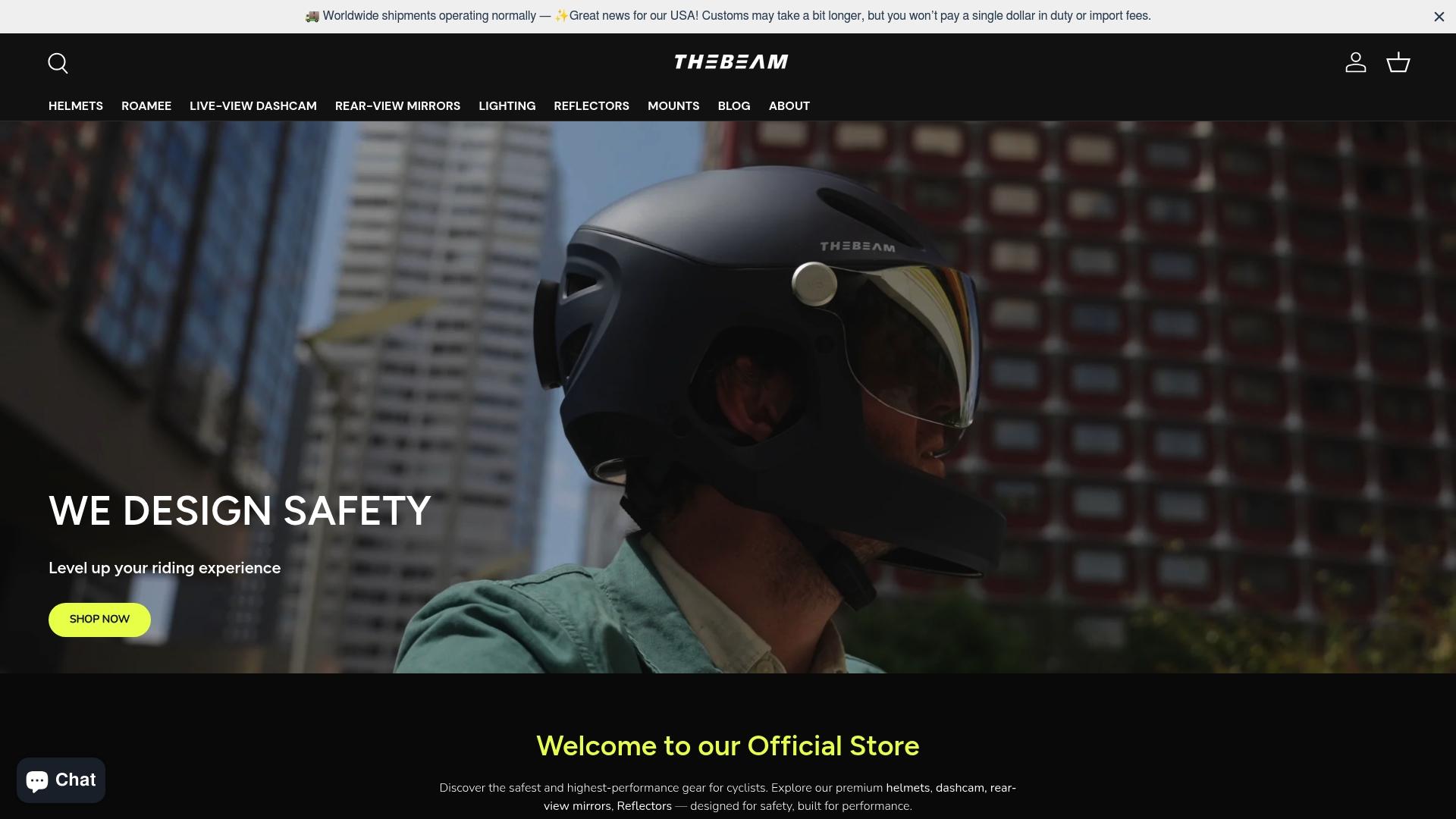
Take control of your safety now by visiting THE BEAM official site for high-end cycling gear designed for the urban rider in you. Invest in gear that protects, performs, and empowers. Your safest commute starts here.
Frequently Asked Questions
How do I ensure my helmet fits properly for urban cycling?
To ensure your helmet fits properly, measure your head circumference and adjust the retention system until the helmet feels snug but comfortable. Verify that the helmet sits level on your head with about one finger’s width of space between it and your forehead.
What essential items should I include in my emergency kit for urban cycling?
Your emergency kit should include a spare inner tube, tire levers, a patch kit, a portable pump, and a multi-tool. Organize these items for easy access, ensuring you can address a flat tire or minor repair quickly during your ride.
How can I improve my visibility while cycling in urban areas?
Improve your visibility by wearing reflective apparel, using reflective accessories, and equipping your bike with front and rear lights. This visibility system should allow you to be seen from multiple angles, especially during low-light conditions.
What is the best way to maintain my bike lights for safety?
To maintain your bike lights for safety, test them weekly, clean the lenses, and ensure they are fully charged or have fresh batteries. Implement this routine to prevent dead lights while riding, especially during early morning or evening commutes.
How can I identify safe urban routes for cycling?
Identify safe urban routes by using digital maps that highlight bike lanes and lower-traffic areas. Scout potential routes yourself to evaluate their safety features, such as visibility and road conditions, before riding them regularly.
Recommended
- Why Cycling Safety Matters for Urban Riders – The Beam
- Why Cycling Safety Matters for Urban Riders – The Beam
- 7 Essential Cycling Safety Checklist Tips for 2026 – The Beam
- 7 Essential Cycling Safety Checklist Tips for 2026 – The Beam
- Normas Viales para Ciclistas: Claves 2026 Europa Central - Blog Ciclista


