

Staying safe on your bike means more than picking a helmet and hoping for the best. With new rules and advanced technologies changing how cyclists protect themselves, it can be tough to know what actually keeps you out of harm’s way. The right choices matter, from certified helmets with modern impact protection to high-visibility clothing and reliable equipment checks. This list will show you practical, straightforward ways to upgrade your cycling safety based on the latest standards and expert advice. Get ready to discover clear steps that make every ride safer and give you confidence before rolling out.
Table of Contents
- Choose a Certified Helmet with Advanced Protection
- Wear High-Visibility Gear for Day and Night
- Check Your Bike’s Brakes and Tires Regularly
- Use Rear-View Mirrors for Better Awareness
- Install and Maintain Effective Bike Lights
- Follow Updated Traffic Laws and Local Regulations
- Carry Emergency Contact and First-Aid Essentials
Quick Summary
| Takeaway | Explanation |
|---|---|
| 1. Choose certified helmets for safety | Select helmets meeting safety standards like CPSC and EN 1078 to ensure maximum protection while cycling. |
| 2. Wear high-visibility gear | Bright colors and reflective materials significantly enhance your visibility, making it easier for others to see you on the road, day or night. |
| 3. Regularly check your bike’s brakes and tires | Conduct routine inspections to maintain brake performance and proper tire pressure, preventing accidents and mechanical failures. |
| 4. Use rear-view mirrors | Installing mirrors enhances your awareness of traffic without turning your head, improving safety during rides. |
| 5. Carry emergency contact information | Always have critical medical and contact details accessible for first responders in case of an emergency while cycling. |
1. Choose a Certified Helmet with Advanced Protection
Choosing the right helmet is more than a fashion statement - it’s a critical safety decision that could save your life. In 2026, advanced cycling helmets offer unprecedented protection technologies that go far beyond traditional designs.
Safety certifications represent the gold standard for helmet protection. Look for helmets that meet rigorous international safety standards like:
- CPSC (Consumer Product Safety Commission)
- EN 1078 (European Safety Standard)
- Virginia Tech Safety Ratings
The most advanced helmets now incorporate Multi-directional Impact Protection System (MIPS) technology, which dramatically reduces rotational forces during potential crashes. MIPS helmets provide superior brain protection by allowing a slight rotational movement that minimizes direct impact energy transmission.
Not all helmets are created equal. Invest in certified protection that meets the highest safety standards.
When selecting your helmet, consider these critical factors:
- Proper fit and adjustability
- Ventilation design
- Impact protection technology
- Comfort and weight
- Certification standards
Pro tip: Always try on helmets in person and perform the “roll-off” test by tilting your head forward and ensuring the helmet stays securely in place.
2. Wear High-Visibility Gear for Day and Night
Visibility can mean the difference between a safe ride and a dangerous encounter. Cyclists must strategically dress to be seen by motorists in all lighting conditions.
Reflective cycling gear significantly improves road safety by making riders more noticeable to drivers, pedestrians, and other road users. The key is understanding how different clothing elements enhance your visibility.
Consider these crucial high-visibility strategies:
- Choose bright fluorescent colors during daylight
- Wear reflective clothing with strategic placement
- Add reflective accessories like ankle bands and helmet stickers
- Use illuminated or reflective wheel accessories
Visibility is not optional - it’s a fundamental safety requirement for every cyclist.
Daytime visibility strategies differ from nighttime approaches. During daylight, fluorescent yellow, green, and orange clothing create maximum contrast against road backgrounds. At night, reflective materials with retroreflective technology become essential.
Legal considerations also underscore the importance of visibility. Cycling laws worldwide recommend high-visibility clothing to reduce accident risks and potential legal complications.
Pro tip: Layer your clothing with reflective elements on moving body parts like knees and ankles to maximize the biomotion visibility effect.
3. Check Your Bike’s Brakes and Tires Regularly
Your bicycle is a precision machine that demands regular maintenance to ensure safe and reliable performance. Routine bike safety checks are the first line of defense against potential mechanical failures.
Breaks and tires are your bike’s most critical safety components. Understanding how to inspect them can prevent unexpected accidents and costly repairs.
Key areas to examine during your pre-ride inspection include:
- Brake pad thickness and wear condition
- Brake cable tension and responsiveness
- Tire pressure and inflation levels
- Tire sidewall integrity
- Wheel alignment and spoke tension
Small maintenance checks can prevent significant safety risks on the road.
For brake systems, look for these warning signs:
- Squealing or grinding noises
- Reduced stopping power
- Visible wear on brake pads
- Loose or spongy brake lever feel
Tire maintenance requires careful attention to pressure, tread condition, and potential damage. Underinflated tires increase puncture risks and reduce overall bicycle handling performance.
Pro tip: Invest in a reliable bike pump with a pressure gauge and check your tire pressure before every ride, aiming for the recommended PSI printed on the tire sidewall.
4. Use Rear-View Mirrors for Better Awareness
Maintaining situational awareness while cycling can mean the difference between a safe ride and a potential accident. Rear-view mirrors are critical safety accessories that expand your visual perception beyond traditional head turning.
Cyclists face numerous blind spots that conventional checking methods cannot fully address. Rear-view mirrors provide an instant traffic snapshot without compromising your forward momentum or balance.
Key advantages of using bicycle mirrors include:
- Continuous traffic monitoring
- Reduced neck strain
- Improved lane change safety
- Enhanced urban cycling awareness
- Faster reaction times to approaching vehicles
A small mirror can provide big protection on busy roads.
Mirror types vary to suit different cycling styles:
- Handlebar-mounted mirrors
- Helmet-attached mirrors
- Eyewear integrated mirrors
- Bar-end mounted options
Choosing the right mirror depends on your specific cycling environment. Urban commuters might prefer different mirror styles compared to long-distance road cyclists.
Modern mirrors are designed to be lightweight compact and easily adjustable making them practical safety tools for riders of all experience levels.
Pro tip: Adjust your mirror before riding and practice quick glance techniques to seamlessly integrate mirror checking into your cycling routine.
5. Install and Maintain Effective Bike Lights
Bike lights are more than just accessories they are critical safety equipment that can mean the difference between being seen and being overlooked. Advanced bike lighting systems enhance cyclist visibility in all environmental conditions.
Proper light installation requires strategic positioning and understanding of visibility principles. Your lighting setup should provide comprehensive protection by illuminating your path and signaling your presence to other road users.
Key considerations for effective bike lighting include:
- Front light brightness and beam pattern
- Rear light visibility range
- Battery life and charging capabilities
- Mounting stability
- Weather resistance
A well-designed lighting system transforms your bicycle into a highly visible safety vehicle.
Light positioning is critical for maximum effectiveness:
- Mount front lights on handlebars or helmet
- Position rear lights at seat post or backpack
- Angle lights to maximize road coverage
- Use multiple light sources for redundancy
Modern bike lights offer smart features like adaptive brightness adaptive beam patterns and automatic on/off functions making them more sophisticated than ever before.
Pro tip: Always carry backup batteries or a portable charger and perform a quick light check before every ride to ensure complete visibility.
6. Follow Updated Traffic Laws and Local Regulations
Traffic regulations are constantly evolving, and staying informed is crucial for cyclist safety and legal compliance. Updated cycling laws impact rider responsibilities across urban and rural environments.
The legal landscape for cyclists has become increasingly complex with new regulations addressing emerging technologies and safety concerns. Understanding these changes is not just about avoiding fines but protecting yourself and others on the road.
Key areas of recent regulatory updates include:
- Electric bicycle classifications
- Mandatory safety gear requirements
- Specific lane usage rules
- Speed limit restrictions
- Lighting and visibility standards
Knowledge of local traffic laws is your first line of legal defense.
Cyclists should prioritize understanding regulations in several critical domains:
- Local municipal cycling ordinances
- Regional traffic safety codes
- National transportation guidelines
- Specific electronic bicycle regulations
The Union Cycliste Internationale (UCI) continually refines rules affecting equipment specifications and rider protocols. These updates can impact everything from bike design to competitive cycling standards.
Pro tip: Download official local transportation authority mobile apps or bookmark official websites to receive real-time updates on cycling regulations in your area.
7. Carry Emergency Contact and First-Aid Essentials
In the unpredictable world of cycling unexpected situations can arise quickly. Carrying emergency contact information can be a lifeline in critical moments when you cannot communicate for yourself.
Emergency preparedness is more than just a safety recommendation it is a crucial strategy for protecting yourself during cycling adventures. A comprehensive approach involves both medical supplies and communication tools.
Essential emergency items every cyclist should carry:
- Compact first aid kit
- In Case of Emergency (ICE) card
- Personalized medical information
- Emergency contact details
- Basic trauma supplies
- Digital backup information
Your emergency preparedness could save your life or help others assist you effectively.
Modern emergency communication options include:
- Physical ICE cards
- QR-coded medical jewelry
- Smartphone emergency profiles
- Wearable emergency wristbands
The goal is to ensure that critical medical and contact information is accessible to first responders or good samaritans who might need to help you in an emergency.
Pro tip: Update your emergency contact information quarterly and store digital copies in cloud services accessible by trusted family members.
Below is a comprehensive table summarizing the key points and strategies for enhancing cycling safety as discussed in the article.
| Topic | Details | Key Takeaway |
|---|---|---|
| Helmet Selection | Choose helmets meeting CPSC/EN 1078/VT certifications; incorporate MIPS technology for impact protection. | Invest in certified, advanced protective helmets for safety. |
| Visibility Gear | Use fluorescent gear during the day; adopt retroreflective materials for night rides. | Enhancing visibility is essential for accident prevention. |
| Bike Maintenance | Regularly inspect brakes, tires, and overall bicycle integrity. | Preventative maintenance ensures safety and road readiness. |
| Rear-View Mirrors | Use mirrors for continuous monitoring of traffic behind you. | Mirrors improve situational awareness and safety. |
| Bike Lights | Install bright front/rear lights with thorough visibility coverage. | Proper lighting is critical for night or low-visibility cycling. |
| Traffic Regulations | Stay updated on applicable local and national cycling laws. | Complying with rules enhances safety and legal security. |
| Emergency Preparedness | Carry a first aid kit, ICE information, and emergency contacts. | Be prepared to handle unforeseen accidents during cycling. |
Elevate Your Cycling Safety with THE BEAM’s Advanced Gear
The 7 Essential Cycling Safety Checklist Tips for 2026 highlight crucial challenges such as choosing certified helmets with MIPS technology, enhancing visibility with high-visibility gear, and maintaining reliable lighting. These are the exact pain points every cyclist faces striving for maximum protection and confidence on the road. When safety and real-world usability matter, THE BEAM offers innovative solutions designed to protect and empower you from urban streets to gravel paths.
Explore our flagship VIRGO integral helmet that incorporates cutting-edge MIPS technology for superior brain protection. Complement your safety routine with our range of high-performance reflectors and state-of-the-art lighting accessories crafted to boost your visibility day and night.
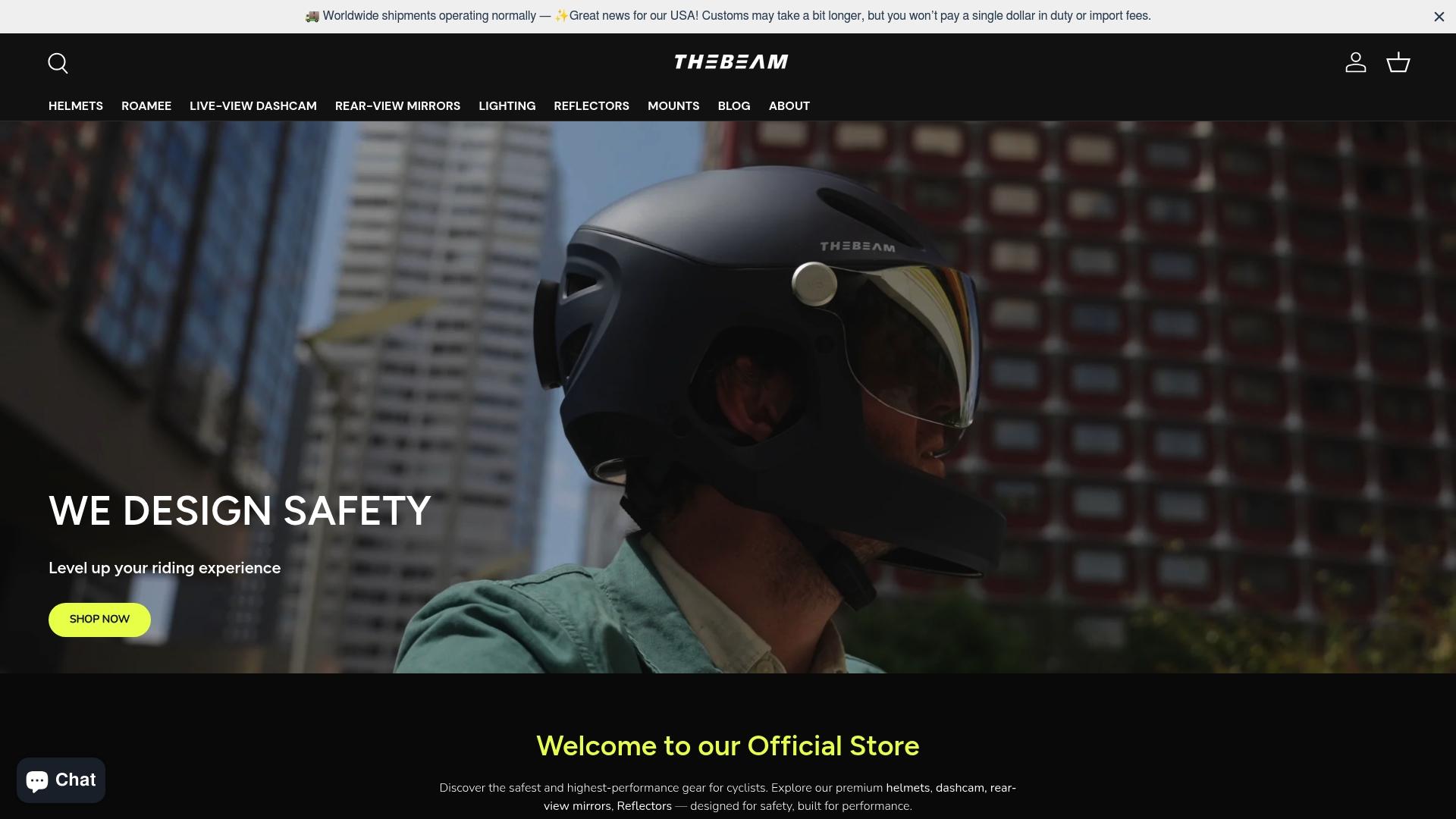
Don’t wait until an accident risks your safety. Take control today by visiting THE BEAM official website to find premium cycling safety equipment tailored to meet your 2026 safety checklist goals. Equip yourself with protection that matches your passion for the ride and ride with confidence now.
Frequently Asked Questions
How do I choose a certified helmet for cycling in 2026?
To choose a certified helmet, look for models that meet recognized safety standards such as CPSC, EN 1078, or Virginia Tech Safety Ratings. Prioritize helmets that feature technologies like MIPS for enhanced safety during impacts.
What are some practical strategies for increasing visibility while cycling?
To improve visibility, wear bright fluorescent colors during the day and reflective material at night. Use accessories such as reflective ankle bands and helmet stickers to enhance your presence on the road.
What maintenance checks should I perform on my bike before every ride?
Before each ride, check your bike’s brake pad condition, tire pressure, and overall wheel alignment. Aim for a tire pressure that matches the recommended PSI on the tire sidewall to ensure optimal performance.
How can I utilize rear-view mirrors effectively for cycling safety?
To use rear-view mirrors effectively, adjust them before starting your ride to ensure a clear view of approaching traffic. Practice quick glances at the mirror while cycling, so you can maintain awareness without compromising your focus on the road ahead.
What essential items should I carry for emergency preparedness while cycling?
Carry a compact first aid kit and an In Case of Emergency (ICE) card with critical medical and contact information. Regularly update this information, ideally every few months, to ensure it’s accurate and accessible during emergencies.


