

Choosing a helmet is more than a style decision for urban cyclists riding through cities in the United States or Europe. Serious head injuries can be reduced by 60 percent with the right helmet, making it an essential piece of gear for anyone focused on safety and comfort during daily commutes. Discover how modern designs combine protection, advanced usability, and visual appeal for those who refuse to compromise on either function or fashion.
Table of Contents
- What Cycling Helmets Are Designed For
- Key Types Of Helmets For Urban Riders
- How Helmets Protect Against Head Injuries
- Visibility And Weather Protection Benefits
- Legal Requirements In Europe And The U.S.
- Risks Of Not Wearing A Helmet
Key Takeaways
| Point | Details |
|---|---|
| Importance of Helmet Use | Cycling helmets reduce the risk of serious head injuries by 60%, highlighting their critical role in safety. |
| Types of Urban Helmets | Different helmet designs cater to specific urban cycling needs, enhancing protection and comfort. |
| Legal Variability | Helmet regulations differ widely across regions, emphasizing the need for cyclists to understand local laws. |
| Consequences of Not Wearing a Helmet | Riding without a helmet significantly increases the risk of fatal head injuries and long-term disabilities. |
What Cycling Helmets Are Designed For
Cycling helmets are precision-engineered protective devices designed to mitigate the devastating consequences of head impacts during cycling accidents. Their primary objective is straightforward yet critically important: protect cyclists from serious brain injuries by absorbing and dispersing potentially catastrophic impact forces.
These safety devices accomplish their life-saving mission through several sophisticated design strategies:
- Impact Energy Absorption: Constructed with specialized foam materials that compress and deform during collision, effectively reducing the transferred force to the skull
- Skull Protection: Hard outer shells distribute impact energy across a broader surface area
- Brain Trauma Prevention: Strategic cushioning and design minimize rotational forces that can cause traumatic brain injuries
Modern cycling helmets reduce serious head injuries by an astounding 60%, demonstrating their critical role in cyclist safety. While they cannot guarantee complete protection against all potential accidents, they significantly lower the risk of fatal and life-altering head trauma.
However, cyclists should understand that helmets have inherent limitations. They provide protection against minor impacts but have constraints in high-speed vehicle collisions. This means riders should never substitute a helmet for cautious, defensive cycling practices.
Pro tip: Replace your cycling helmet every 3-5 years or immediately after any significant impact to ensure optimal protective performance.
Key Types of Helmets for Urban Riders
Urban cycling demands specialized helmet designs that balance protection, comfort, and practicality for city environments. Different helmet styles address specific urban riding needs, ensuring cyclists have targeted protection for their unique commuting challenges.
Key helmet types for urban riders include:
- Commuter Helmets: Rounded shape with practical features like integrated rear lights and increased side coverage
- Multi-Sport Helmets: Versatile designs suitable for city rides, casual cycling, and occasional recreational activities
- Hardshell Helmets: Durable construction with robust outer shells ideal for navigating unpredictable urban terrain
- Lightweight Urban Helmets: Minimalist designs focusing on ventilation and comfort during daily commutes
MIPS Technology has revolutionized urban helmet safety, providing an additional layer of rotational impact protection. Urban helmets now balance lightweight construction with advanced protective features, addressing the complex safety needs of city cyclists.
Modern urban helmets are engineered to address specific metropolitan cycling challenges. They incorporate features like enhanced ventilation, reflective elements, and adjustable fit systems to accommodate diverse riding conditions and personal preferences.
To help you choose the best helmet, here’s a comparison of urban cycling helmet styles and their practical advantages:
| Helmet Type | Best Use Scenario | Key Feature | Benefit for Urban Riders |
|---|---|---|---|
| Commuter Helmet | Daily city commuting | Built-in rear light | Improved nighttime safety |
| Multi-Sport Helmet | Mixed activity cycling | Versatile design | Suitable for various conditions |
| Hardshell Helmet | Tough urban environments | Rigid shell | Extra durability on rough terrain |
| Lightweight Urban | Summer or long commutes | Enhanced ventilation | Greater comfort in warm weather |
Pro tip: Select an urban helmet that fits snugly, covers your entire forehead, and includes visibility-enhancing design elements for maximum safety during city rides.
How Helmets Protect Against Head Injuries
Cycling helmets are sophisticated protective devices engineered to mitigate the devastating consequences of head impacts. Helmets protect by strategically distributing impact forces across their surface, dramatically reducing the risk of catastrophic brain and skull injuries during accidents.
The primary protective mechanisms of cycling helmets include:
- Energy Absorption: Dense foam liners compress and dissipate kinetic energy
- Force Distribution: Hard outer shells spread impact across a broader surface area
- Skull Protection: Rigid construction prevents direct trauma to the cranium
- Rotational Force Mitigation: Advanced designs like MIPS technology reduce dangerous twisting forces
Impact Mechanics play a crucial role in helmet protection. Modern helmets are engineered with specialized materials to counteract high-impact forces typical in cycling accidents, though they cannot completely eliminate all potential injuries.
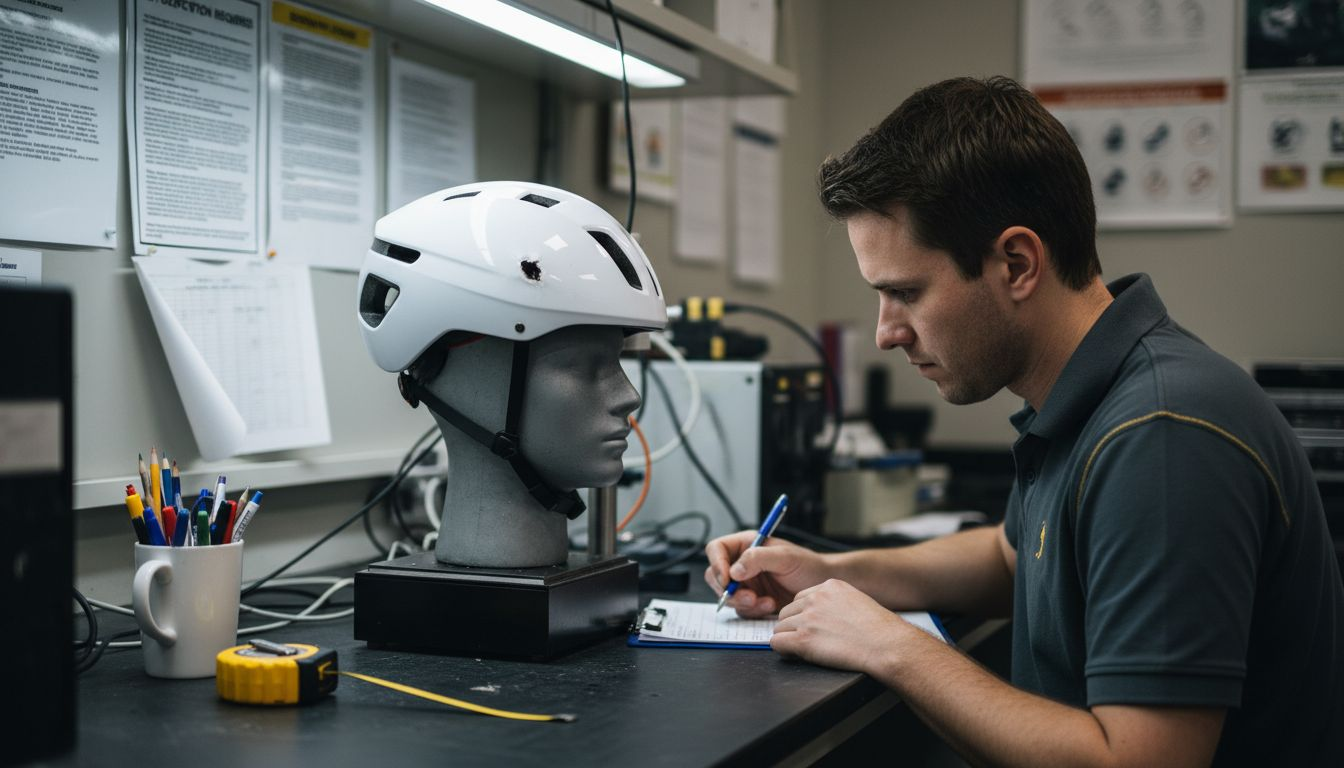
It’s critical to understand that while helmets provide substantial protection, they are not invincible. Proper fit, secure chin straps, and regular replacement are essential to maintaining their protective capabilities. Cyclists should view helmets as a critical safety component, not a guarantee of absolute protection.
Pro tip: Replace your helmet every 3-5 years or immediately after any significant impact to ensure maximum protective integrity.
Visibility and Weather Protection Benefits
Cycling helmets have evolved beyond simple head protection, becoming sophisticated safety tools that significantly enhance rider visibility and comfort. Helmet design now prioritizes cyclist conspicuity, reducing the risk of motor vehicle collisions through strategic visual enhancements.
Key visibility features in modern cycling helmets include:
- Reflective Elements: Integrated strips and surfaces that illuminate under vehicle headlights
- Bright Color Options: High-visibility colors that increase daytime detectability
- Built-in Lighting: Integrated LED lights for enhanced low-light visibility
- Contrasting Design Patterns: Strategic color placement to maximize rider recognition
Weather Protection is another critical function of contemporary cycling helmets. Helmets with integrated visors offer comprehensive protection from environmental elements, shielding riders from rain, wind, and harmful UV rays during urban commutes.
The combination of visibility and weather protection transforms helmets from passive safety equipment into active cycling companions. Advanced designs now incorporate aerodynamic features, ventilation systems, and adaptable components that respond to changing environmental conditions, ensuring cyclists remain safe, comfortable, and visible throughout their journey.
Pro tip: Choose a helmet with multiple visibility features and opt for bright, contrasting colors to maximize your presence on the road.
Legal Requirements in Europe and the U.S.
Cycling helmet regulations represent a complex landscape of legal requirements that vary dramatically across different jurisdictions. Bicycle helmet laws differ widely between countries and regions, creating a nuanced approach to cyclist safety legislation.
Key variations in helmet legislation include:
- United States: 22 states with comprehensive helmet regulations
- Child-Focused Laws: Many jurisdictions mandate helmet use for minors under specific ages
- Regional Differences: Enforcement and penalty structures vary by state and locality
- European Variations: Some countries require helmets for children, while others have no compulsory regulations
State-Level Regulations demonstrate the complexity of helmet legislation. Over 200 local jurisdictions have specific helmet use requirements, with most focusing on protecting younger cyclists through mandatory wear policies.
The legal landscape reflects a broader understanding that while helmet laws can improve safety, their implementation requires careful consideration of local cycling cultures, infrastructure, and public health priorities. This approach recognizes that one-size-fits-all legislation may not effectively address the unique needs of different cycling communities.
Pro tip: Always check local regulations before cycling, as helmet requirements can vary significantly between different states and municipalities.
Risks of Not Wearing a Helmet
Cycling without a helmet transforms an enjoyable activity into a potentially life-threatening endeavor. Helmet-free cyclists face significantly higher risks of fatal head injuries, with statistics revealing a stark and sobering reality about personal safety.
Key risks of riding without head protection include:
- Increased Fatality Risk: Tripling the likelihood of fatal head injuries
- Severe Brain Trauma: Higher probability of permanent neurological damage
- Catastrophic Medical Consequences: Exponentially higher medical treatment costs
- Long-Term Disability Potential: Greater chance of life-altering injuries
Cycling Injury Statistics paint a clear picture of helmet importance. Approximately 62% of bicyclist fatalities involve riders not wearing helmets, demonstrating the critical role protective gear plays in survival during accidents.
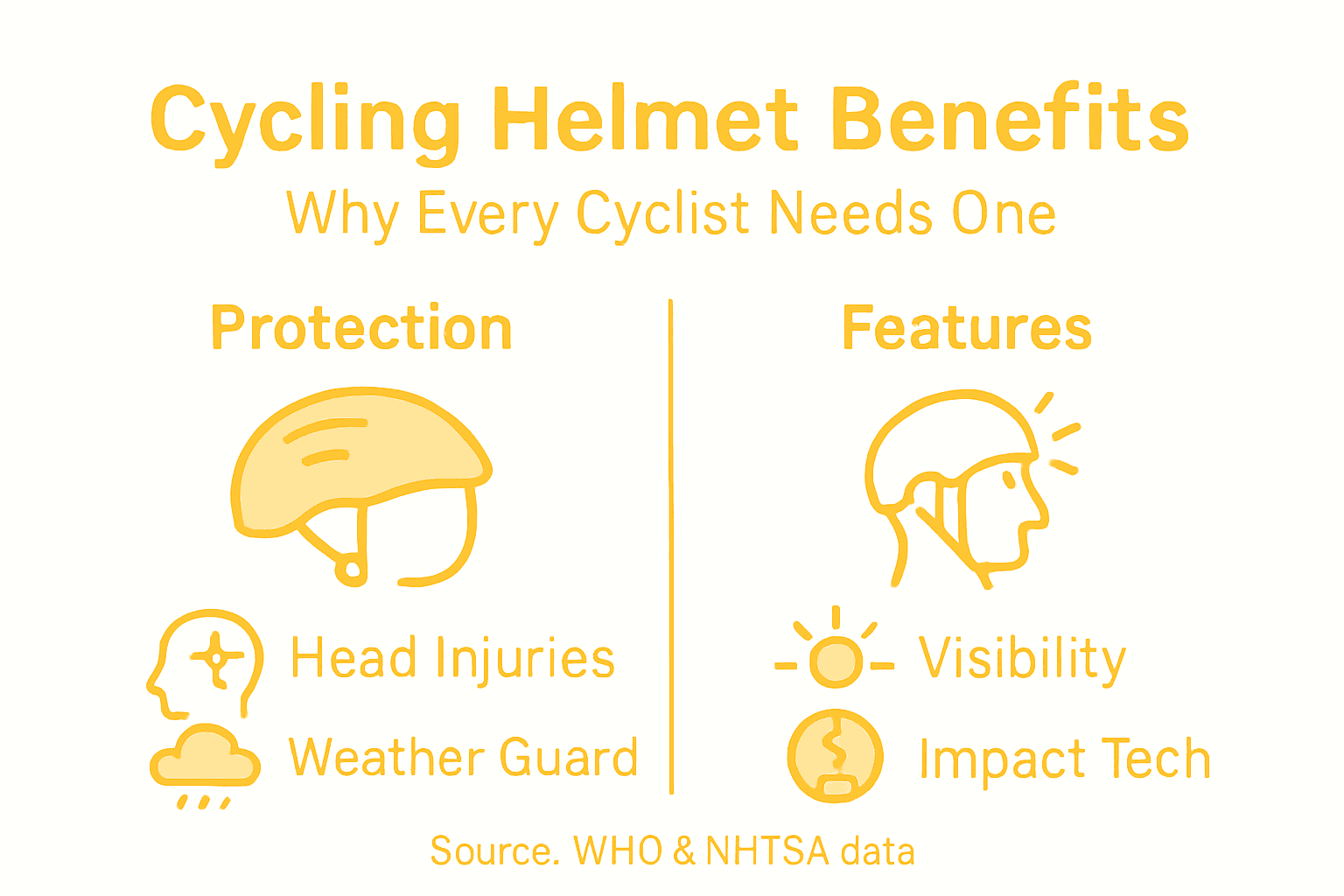
Here’s a summary of how cycling helmets protect you compared to riding without one:
| Protective Factor | With Helmet | Without Helmet |
|---|---|---|
| Head Injury Risk | Reduced by 60% | Three times higher |
| Rotational Impact Protection | Advanced tech (MIPS available) | None |
| Medical Costs | Lower chance of hospitalization | High potential expenses |
| Long-term Disability | Strong reduction in risk | Significantly more likely |
The potential consequences extend beyond immediate physical harm. Helmet-free cycling can result in extensive medical treatments, rehabilitation costs, potential loss of income, and profound personal and familial emotional trauma. Even low-speed accidents can cause devastating head injuries that transform lives in an instant.
Pro tip: Invest in a high-quality helmet that fits correctly, as the small cost of protection far outweighs the potential lifetime consequences of a preventable head injury.
Protect Your Head with THE BEAM’s High-End Cycling Helmets
The article highlights the crucial role that cycling helmets play in reducing serious head injuries through advanced safety features like MIPS technology and robust construction. For riders who want to prioritize protection without sacrificing comfort or style, THE BEAM offers innovative helmets designed for real-world use whether you ride road bikes, e-bikes, or urban commutes. Our premium helmets combined with safety accessories address key concerns such as impact absorption, visibility, and long-term durability.
Explore our carefully designed Kids’ Helmets – The Beam for your youngest riders or enhance your urban cycling safety with smart MOUNTS – The Beam that increase your presence on the road.

Don’t take chances with your safety. Visit THE BEAM today to invest in helmets and gear that offer proven protection and style. Equip yourself now and ride with confidence knowing you have the best protection designed specifically to reduce risks highlighted in this article.
Frequently Asked Questions
What are the main benefits of wearing a cycling helmet?
Wearing a cycling helmet reduces the risk of severe head injuries by up to 60%. Helmets absorb impact forces, protect against skull trauma, and minimize rotational forces that can lead to brain injuries during accidents.
How often should I replace my cycling helmet?
It is recommended to replace your cycling helmet every 3-5 years, or immediately after any significant impact, to ensure it maintains its protective capabilities and structural integrity.
What types of cycling helmets are best for urban riding?
Key types of cycling helmets for urban riding include commuter helmets with built-in lights, multi-sport helmets for versatility, hardshell helmets for durability, and lightweight urban helmets for comfort and ventilation.
Do helmets protect against all types of cycling accidents?
While helmets provide significant protection, they have limitations and cannot guarantee complete safety, especially in high-speed collisions. Defensive riding practices are critical to minimize risks alongside wearing a helmet.


