

Staying safe while cycling in busy urban environments can feel challenging, especially with unpredictable traffic and low visibility. Many cyclists worry about head injuries, being seen by drivers, or missing hazards approaching from behind. The right gear can make a huge difference in your safety and confidence every time you ride.
This list reveals practical upgrades and smart strategies to help protect you on city streets. From advanced helmets designed to manage real-world impacts to reflective accessories proven to make you more visible, each item is backed by research and tailored for urban riders. Get ready to discover actionable tips and essential tools that will boost your awareness, comfort, and peace of mind on your next commute.
Table of Contents
- 1. Enhanced Head Protection With Advanced Helmets
- 2. Increased Visibility Using Reflective Accessories
- 3. Better Awareness Through Rear-View Mirrors
- 4. Improved Comfort For Daily Commutes
- 5. Smart Features For Connected Safety
- 6. Boosting Confidence On Every Ride
Quick Summary
| Takeaway | Explanation |
|---|---|
| 1. Prioritize advanced helmets for safety | Modern helmets with multi-directional impact protection reduce risks of head injury during urban cycling. |
| 2. Use reflective accessories for visibility | Wearing reflective gear increases your visibility to motorists, especially in low-light conditions, enhancing safety. |
| 3. Utilize rear-view mirrors for awareness | Rear-view mirrors allow cyclists to check traffic behind them without turning, maintaining focus on the road ahead. |
| 4. Invest in comfortable cycling gear | Well-fitted gear minimizes discomfort and fatigue, encouraging more frequent and enjoyable riding. |
| 5. Explore smart safety features for enhanced protection | Smart cycling gear provides real-time alerts and enhances visibility, connecting you to a safety network on the road. |
1. Enhanced Head Protection with Advanced Helmets
Your head is your most valuable asset when cycling through urban streets. A quality helmet doesn’t just check a safety box, it fundamentally changes how your brain is protected during a fall or collision.
Modern cycling helmets have evolved far beyond simple foam shells. Today’s designs incorporate multi-directional impact protection systems that address how real-world accidents actually happen. Urban riders face complex impact angles, low-speed falls, and unpredictable obstacles. Advanced helmet technologies significantly reduce the risk of head injury by managing rotational forces that traditional helmets couldn’t address.
How Advanced Helmets Protect Your Brain
When you hit the pavement at an angle, your brain doesn’t just experience downward force. It experiences rotational motion that can cause serious damage. This is where technology like MIPS protection systems make a real difference.
Here’s what sets advanced helmets apart:
- Multi-impact foam absorbs energy from complex angles, not just straight impacts
- Rotational force reduction minimizes brain movement inside the skull
- Extended coverage protects vulnerable areas like your temples and the back of your head
- Lightweight materials keep protection comfortable for daily commuting
- Superior ventilation maintains airflow without sacrificing safety
The difference shows in real numbers. Studies demonstrate that helmets tested beyond traditional impact scenarios provide substantially better protection in actual urban cycling collisions.
Advanced helmets protect your brain from the types of impacts that actually happen on city streets, not just theoretical lab scenarios.
Why Urban Riders Need Better Protection
City cycling presents unique hazards that suburban or road cycling doesn’t. You’re navigating tight spaces, interacting with traffic, and dealing with unpredictable surfaces. Low-speed falls into curbs, car doors, or parked obstacles happen more often than high-speed crashes.
These lower-speed impacts are exactly what advanced helmet technology handles best. Your commute demands protection designed for real urban conditions, not just testing standards.
Choosing a Helmet That Works for You
Look for helmets that combine protection with comfort. Your helmet only works if you actually wear it every single ride. Consider factors like ventilation for warmer weather, weight distribution, and fit quality.
A properly fitted helmet sits level on your head, covers your forehead, and allows two fingers between the helmet and your chin strap. This positioning ensures maximum coverage when you need it most.
Pro tip: Replace your helmet after any significant impact, even if you can’t see damage, because internal foam compression reduces protection even when the outer shell looks fine.
2. Increased Visibility Using Reflective Accessories
You cannot control when drivers will look your way. What you can control is making sure they see you when they do. Reflective accessories transform your visibility from invisible to unmissable, especially during low light conditions.
During dawn commutes, evening rides, or rainy weather, your bike becomes harder to spot. Reflective materials bounce light directly back to its source, which means car headlights illuminate you with precision. Unlike passive colors alone, reflective gear creates a conspicuous target that motorists cannot easily overlook.
How Reflective Materials Actually Work
Reflective surfaces use tiny glass beads or prisms embedded in material. When light hits these beads, they bend the light and send it back toward the source. This retroreflection effect works within vehicle headlight beams, creating recognition at much greater distances than regular clothing.
Placement matters tremendously. Reflective gear positioned on your helmet and body aligns perfectly with common vehicle light patterns. Your helmet sits high, catching light beams at optimal angles where drivers naturally look.
Here’s what makes reflective accessories effective:
- Detection at distance allows drivers extra reaction time before approaching you
- Retroreflection bounces light directly back to car headlights for maximum visibility
- High body placement on helmets and shoulders aligns with vehicle light angles
- Combination with bright colors increases daytime and low light recognition significantly
- All weather performance maintains visibility in rain, fog, and darkness
The Research Behind the Numbers
Reflective accessories combined with active lighting substantially reduce collision risks. Authorities consistently recommend both reflective materials and bright colors to enhance rider detection at night and in poor weather conditions.
Reflective gear placed strategically on your body catches vehicle light beams at the exact angles drivers use to scan the road.
Practical Placement Strategy
Don’t just throw reflective stickers randomly on your bike. Think strategically about what drivers see. Your body height, helmet position, and pedaling motion create visibility opportunities.
Effective placement includes your helmet, backpack, arm bands, and ankle straps. Moving reflectors on your ankles and wrists create motion visibility that catches attention. Drivers notice motion before they notice stationary objects.
Combine reflective strips with bright colored clothing for daytime and evening visibility. This dual approach works in virtually all lighting conditions, from bright noon rides to dark early morning commutes.
Pro tip: Apply reflective strips to the back of your helmet and wear a reflective vest over your jacket, since your back is what drivers behind you see during critical moments.
3. Better Awareness Through Rear-View Mirrors
You cannot focus on the road ahead if you are constantly turning around to check traffic behind you. A rear-view mirror solves this problem by giving you instant awareness of what is approaching without compromising your forward attention.
Urban cycling demands constant vigilance. You need to know about approaching vehicles, overtaking cyclists, and hazards appearing from behind. A quick glance in a mirror takes a fraction of a second, while turning your head takes longer and destabilizes your bike. This small tool creates a massive safety advantage.
How Rear-View Mirrors Enhance Your Safety
Rear-view mirrors mounted on handlebars, helmets, or glasses provide quick glances behind without compromising forward attention. You maintain your focus on the road while staying aware of traffic movement.
This awareness changes your decision-making in real time. When you know a car is 20 meters behind approaching fast, you make different choices than when you cannot see it. You position yourself better in the lane, anticipate when to merge, and avoid sudden movements that surprise drivers.
Key benefits of rear-view mirrors include:
- Continuous situational awareness without taking your eyes off the road
- Early detection of approaching hazards and overtaking traffic
- Better lane positioning based on what you see coming behind
- Safer maneuvering and deliberate direction changes during commutes
- Reduced turning movements that destabilize your bike in traffic
Real-World Application for Urban Commuting
Imagine riding on a busy European street during rush hour. Traffic approaches constantly from behind. Without a mirror, you must guess or turn to look. With a mirror, you glance and know exactly what is coming.
This knowledge lets you make proactive decisions. You can signal earlier, move smoother, and avoid the jerky reactions that create dangerous situations. Safety guidelines recommend rear-view mirrors as optional equipment to augment your field of vision and improve hazard identification.
Different mirror types work for different riders. Handlebar mirrors stay fixed in place. Helmet-mounted mirrors move with your head. Glasses-mounted mirrors integrate seamlessly into your existing gear. Test different options to find what works best for your riding style.
A rear-view mirror transforms you from a rider who guesses about traffic to one who sees and responds with confidence.
Integration Into Your Daily Commute
Start using your mirror during quieter rides to build the habit. Your brain needs to learn to check it regularly, the same way a driver checks their side mirrors. After a few rides, it becomes automatic.
Combine your mirror with hand signals for maximum safety. When you signal, you have already seen the traffic behind you. This combination creates predictable, safe riding that drivers understand and respect.
Pro tip: Position your mirror to show you the lane directly behind and to the side, then practice checking it every 10-15 seconds to stay constantly aware of traffic flow without fixating on it.
4. Improved Comfort for Daily Commutes
A comfortable commute is a sustainable commute. When your gear feels good, you ride more often and actually enjoy the experience. Discomfort ends rides early and discourages people from cycling altogether.
Proper cycling gear transforms daily commuting from something you endure into something you look forward to. Well-fitted equipment minimizes fatigue and discomfort, allowing you to maintain concentration and energy throughout your ride. This matters whether you are cycling 5 kilometers to work or 30 kilometers across the city.
Why Comfort Matters More Than You Think
Discomfort compounds over time. A slightly loose helmet throws off your balance. Fabric that does not breathe creates hot spots and irritation. Gloves that do not fit properly cause hand numbness on longer rides. None of these problems seem major individually, but together they drain your mental energy and physical endurance.
Comfortable cycling gear that fits properly allows riders to focus on traffic, navigation, and safety rather than fidgeting with equipment. When you are not battling discomfort, you ride with better awareness and make sharper decisions.
These are the comfort factors that matter most:
- Padded shorts reduce pressure on sensitive areas during extended rides
- Breathable fabrics prevent sweat buildup and temperature regulation issues
- Supportive gloves maintain grip and reduce hand fatigue during commutes
- Ergonomic helmet fit prevents neck strain and headaches
- Weather-appropriate layers keep you comfortable across temperature swings
The Science Behind Comfort and Safety
Well-fitted cycling gear reduces the risk of overuse injuries and discomfort that plague routine commuters. Proper ergonomics matter tremendously for urban cyclists facing varying weather and traffic conditions.
Your body sends pain signals when something is wrong. A helmet that sits too tight creates pressure headaches. Shorts without padding cause chafing after 20 minutes. These distractions pull your attention from the road and other riders.
Comfort also affects consistency. You skip rides when gear feels bad. You ride more often when everything feels great. Over time, these small daily rides build fitness, confidence, and actual safety expertise.
Comfortable gear is not a luxury, it is the foundation that keeps you cycling regularly and safely.
Making Comfort Work for Your Commute
Start by assessing your current pain points. What bothers you most on your rides? Is it your seat, your hands, your neck, or your legs? Address the biggest issue first with targeted upgrades.
Test gear before committing. Borrow from friends or rent equipment to understand what works for your body. Everyone’s comfort needs differ based on body shape, flexibility, and riding style.
Layer intelligently for weather changes. Morning and evening temperatures fluctuate significantly in urban areas. Removable layers let you adjust without stopping or overheating.
Pro tip: Invest in quality padded shorts and gloves first since these create the most immediate comfort improvements, then gradually upgrade other gear based on what bothers you most during actual commutes.
5. Smart Features for Connected Safety
Your cycling gear is becoming smarter. Connected safety features turn passive equipment into active protection systems that communicate, alert, and respond in real time. This evolution changes everything about how urban riders stay safe.
Smart cycling gear incorporates sensors, lights, GPS tracking, and crash detection that work together seamlessly. These technologies eliminate gaps in traditional safety approaches by providing instant awareness and emergency response capabilities that were impossible just years ago.
How Connected Safety Systems Work
Smart features integrate multiple layers of protection into unified systems. A connected light system detects approaching vehicles and automatically brightens. GPS tracking logs your route and location continuously. Crash detection sensors activate emergency alerts if you collide.
These systems communicate with your smartphone through apps and notifications. You receive real-time alerts about hazards on your route. Emergency contacts can track your location during commutes. Emerging smart cycling gear incorporates connected safety features that enhance urban rider safety through immediate alerts and improved emergency response.
Key smart features transforming urban cycling include:
- Integrated lighting systems that respond to ambient light and traffic movement
- GPS tracking that logs routes and enables location sharing with trusted contacts
- Crash detection sensors that automatically alert emergency services
- Connected apps providing real-time hazard alerts and route optimization
- Wearable sensors monitoring speed, impact forces, and riding patterns
Practical Benefits for Your Daily Commute
Imaginative cyclists now ride with confidence knowing their location and status is being monitored. If you fall or collide, sensors detect the impact within seconds and can alert emergency services automatically.
Route optimization features learn your patterns and identify safer alternatives. Your app warns you about heavy traffic areas or hazardous road conditions reported by other riders. This crowdsourced safety network grows stronger as more cyclists join.
Smart lights adapt to conditions automatically. Riding through a dark tunnel at night triggers maximum brightness. Rolling through a well-lit intersection reduces power consumption. You maintain visibility without constantly adjusting equipment.
Connected safety gear transforms you from an isolated rider into part of a larger safety network that sees hazards you cannot.
Starting Your Smart Safety Journey
You do not need to upgrade everything at once. Begin with one smart feature that addresses your biggest safety concern. Many riders start with connected lights since visibility matters universally.
Check compatibility before purchasing. International standards bodies are developing specifications for smart cycling equipment ensuring different brands work together seamlessly. This standardization matters for long-term reliability and functionality.
Understand data privacy implications. Some apps track your location continuously. Review privacy settings and understand what data you are sharing. Balance convenience against personal information protection.
Pro tip: Start with connected lights rather than crash detection or GPS tracking, since they provide immediate visibility benefits without requiring app management, and they integrate smoothly with your existing gear.
6. Boosting Confidence on Every Ride
Confidence transforms everything about your cycling experience. When you trust your gear and feel protected, you ride differently. You navigate traffic more smoothly, make better decisions, and actually enjoy the journey instead of white-knuckling through it.
Safety gear builds psychological trust in your equipment and abilities. This mental shift leads to more consistent cycling habits and better decision-making on the road. The difference between hesitant riding and confident riding comes down to believing you are adequately protected.
The Psychology Behind Confidence
Your brain tracks what protects you and what leaves you vulnerable. Wearing a quality helmet sends your nervous system a clear message about protection. Visible reflective gear tells you that drivers can see you. A rear-view mirror provides constant awareness of approaching traffic.
Each safety feature addresses a specific fear. Without protection, your mind focuses on worst-case scenarios. With proper gear, your mind can focus on riding smoothly and enjoying the experience. Wearing proper safety gear boosts urban riders’ confidence by improving protection and visibility while improving traffic awareness and decision-making skills.
Key confidence-building elements include:
- Advanced helmets that protect from realistic impact scenarios
- Reflective accessories making you visible and seen by drivers
- Rear-view mirrors providing constant traffic awareness
- Comfortable gear allowing you to focus on riding rather than discomfort
- Smart connected features adding layers of active protection
How Confidence Affects Your Riding
Confident cyclists ride more often and stay out longer. They attempt routes they previously avoided. They navigate challenging intersections with composure rather than anxiety. This consistency builds real skills and actual safety expertise over time.
When you trust your equipment, you stop second-guessing decisions. You commit to lane changes instead of hesitating. You predict traffic patterns instead of reacting desperately. These behavioral shifts create exponentially safer riding experiences.
Comfort-enhancing and smart connected safety gear empowers riders by fostering trust in their equipment, leading to consistent cycling and positive reinforcement of safer practices.
Confidence is not arrogance, it is the psychological foundation that allows you to ride with awareness instead of fear.
Building Your Confidence Step by Step
Start by addressing your biggest safety concern first. Do you worry about head impacts? Invest in an advanced helmet. Concerned about visibility? Add reflective accessories and lights.
As each concern gets addressed, your confidence grows. You ride longer distances. You tackle busier streets. You gradually expand your comfort zone. Each successful ride reinforces that your gear works and you are capable.
Connect with other urban cyclists in your area. Shared experiences and community support accelerate confidence development. Seeing others ride confidently in similar gear normalizes the experience and demonstrates what is possible.
Pro tip: Upgrade one major safety concern at a time and ride frequently with that new gear to build confidence, rather than upgrading everything at once which can feel overwhelming.
Below is a comprehensive table summarizing key advancements, benefits, and considerations of urban cycling safety discussed in the article.
| Aspect | Details | Benefits |
|---|---|---|
| Advanced Helmets | Incorporate features such as rotational force management and extended coverage. | Enhance brain protection during real-world impact scenarios. |
| Reflective Accessories | Utilize retroreflective materials for improved visibility. | Increase rider detection during low-light conditions. |
| Rear-View Mirrors | Provide continuous situational awareness of approaching traffic. | Improve decision-making and reduce accidents. |
| Comfort Enhancements | Include padded shorts, breathable fabrics, and ergonomic designs. | Ensure longer, enjoyable rides and reduce fatigue. |
| Smart Features | Integrate GPS tracking, crash detection, and responsive lighting systems. | Offer connected safety and efficient reaction to emergencies. |
| Confidence Building | Features like advanced gear and visibility aids boost rider assurance. | Promote safer and more consistent cycling practices. |
Elevate Your Urban Cycling Safety with THE BEAM
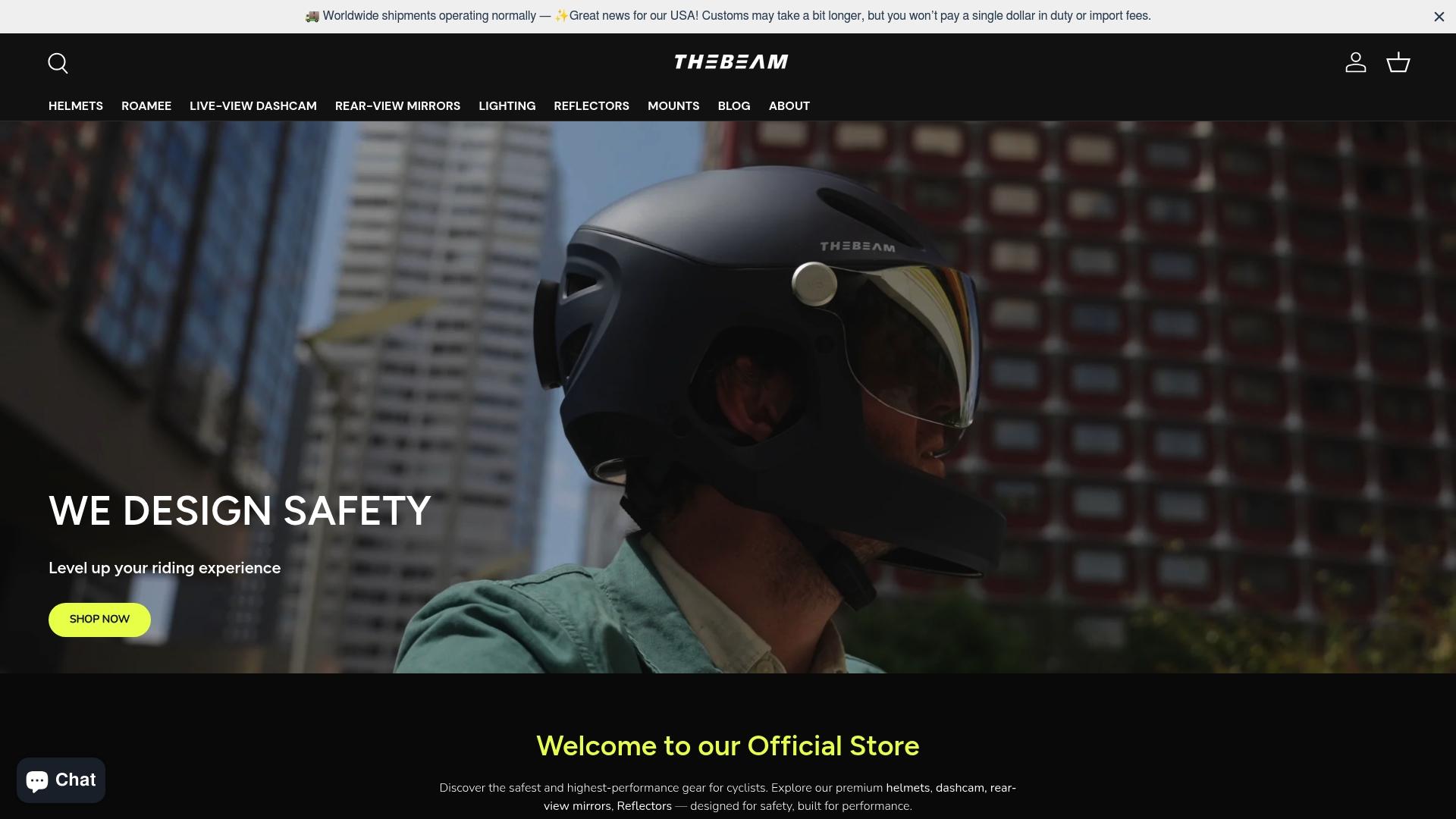
Urban riders face unique challenges like complex impacts and low-speed falls that demand advanced protection and enhanced visibility. THE BEAM specializes in innovative safety gear designed specifically to meet these needs. Our VIRGO integral helmet with MIPS technology delivers superior head protection against real-world impact forces while ensuring comfort and ventilation for everyday commutes.
Pair your helmet with our range of high-visibility reflectors and smart lighting solutions that make you unmistakable in all conditions. These accessories are designed to improve your visibility to drivers at critical moments, increasing your confidence and safety on every ride.
Don’t settle for basic gear when your safety is on the line. Discover outstanding protection and visibility tailored for urban cyclists at THE BEAM today. Upgrade your ride and experience the confidence that comes with trusted, thoughtfully designed safety equipment.
Frequently Asked Questions
What are the key benefits of wearing an advanced helmet for urban cycling?
Wearing an advanced helmet significantly reduces the risk of serious head injuries during falls or collisions. Look for helmets with multi-impact foam and rotational force reduction features to enhance protection on urban streets.
How do reflective accessories improve my visibility while cycling in the city?
Reflective accessories increase your visibility by bouncing light from vehicle headlights directly back to drivers. Incorporate reflective gear on your helmet and body to enhance detection at greater distances, especially in low-light conditions.
Why are rear-view mirrors important for urban cyclists?
Rear-view mirrors provide continuous awareness of traffic approaching from behind without requiring you to turn your head. Use mirrors mounted on your helmet or handlebars to maintain focus on the road ahead while staying informed about the vehicles around you.
How can comfortable cycling gear enhance my daily commuting experience?
Comfortable cycling gear minimizes fatigue and discomfort, allowing you to ride longer and enjoy the experience more. Invest in well-fitted padded shorts and breathable fabric to improve your overall comfort on your daily commutes.
What smart features should I look for in cycling safety gear?
When considering cycling safety gear, look for smart features like integrated lighting systems, GPS tracking, and crash detection sensors. These technologies can enhance your safety by providing real-time alerts and monitoring your location while you ride.
How can I build my confidence while cycling in urban areas?
Building confidence involves acquiring the right safety gear that addresses your worries. Start by upgrading one major piece of equipment at a time, such as an advanced helmet or reflective accessories, to feel more secure on your rides.
Recommended
- Why Cycling Safety Matters for Urban Riders – The Beam
- Why Cycling Safety Matters for Urban Riders – The Beam
- 7 Essential Steps for an Urban Cycling Safety Checklist – The Beam
- 7 Essential Steps for an Urban Cycling Safety Checklist – The Beam
- 7 Must-Have Go-Kart Accessories for Safe Family Fun – GoKarts USA®


