

TL;DR:
- A comprehensive family bike gear list emphasizes certified helmets, age-appropriate child transport, and safe route planning. Properly fitted helmets and safe routes together reduce injury risks and ensure enjoyable rides. Combining high-visibility accessories with meticulous preparation keeps family cycling safe and fun.
A solid family bike gear list is the difference between a ride you remember fondly and one you’d rather forget. Helmets, child transport systems, and visibility tools are the three pillars of safe family cycling. Helmet use reduces serious injury risk by 73%, making head protection the single most important item on your checklist. This guide covers every piece of essential bike gear your family needs, from CPSC-certified helmets and age-specific child seats to maintenance kits and route planning, so you can ride with confidence and focus on the fun.
1. What helmets and safety gear does every family cyclist need?
Helmets are non-negotiable for every rider in the family, regardless of age or distance. Helmet use cuts death risk by 73%, and that number alone should settle any debate about skipping one. Look for helmets that meet CPSC certification (the U.S. standard) or CE EN 1078 (the European equivalent). Helmets with MIPS technology add a rotational protection layer that can reduce impact forces by roughly 25%, which matters most in the angled falls that happen most often in real crashes.

Fit is where most families go wrong. A helmet should sit level on the head, two finger-widths above the eyebrows, with straps forming a V just below each ear. Check every family member’s fit before each ride, not just at the start of the season. Children’s heads grow fast, and a helmet that fit perfectly in april may be too tight by august.
Beyond helmets, your family cycling equipment should include:
- Front white light and rear red light: Flashing lights during the day make riders significantly more visible to distracted drivers, not just at dusk.
- Reflective clothing or vest: Adds passive visibility at no extra effort.
- Bike bell: Required by law in many states and genuinely useful for alerting pedestrians on shared paths.
- Knee and elbow pads for young children: Especially useful for kids still developing balance and confidence.
Pro Tip: When buying helmets for kids, bring them to the store and let them try multiple sizes. A helmet a child finds comfortable is one they will actually wear without complaint.
Thebeamofficial designs helmets with MIPS technology and high-visibility features built in, including the VIRGO integral helmet, which meets current safety standards for road, urban, and e-bike use. You can also explore helmet add-ons like rear-view mirrors and reflectors that pair directly with their helmet range.
2. How to safely transport children: seats, trailers, and attachments
Child transport is the most age-sensitive part of any family biking checklist. The wrong setup for your child’s age or weight is not just uncomfortable. It is genuinely dangerous.
Front-mounted seats suit children aged 9–36 months, with a weight limit of up to 15kg. Rear-mounted seats work for children from 12 months to 5 years, with a weight limit of up to 27kg. Trailers are suitable from 6–12 months onward, provided the child has sufficient head control to sit safely. Children need to be at least 9–12 months old and able to hold their head upright unassisted before any seat or trailer is appropriate.
| Transport option | Best age range | Weight limit | Key advantage | Key limitation |
|---|---|---|---|---|
| Front-mounted seat | 9–36 months | Up to 15kg | Parent-child interaction | Limits handlebar movement |
| Rear-mounted seat | 12 months to 5 years | Up to 27kg | More stable ride | Child out of parent’s view |
| Bike trailer | 6–12 months onward | Varies by model | Suspension, weather cover | Adds length, harder to park |
| Cargo bike | 12 months onward | High capacity | Carries multiple kids | Higher cost, heavier bike |
Trailers generally offer the smoothest ride for infants because they sit lower to the ground and many models include suspension. They also protect children from wind and light rain. The trade-off is that trailers extend your bike’s footprint significantly, which matters on narrow paths.
Pro Tip: Always put a helmet on a child in a trailer, even though they are enclosed. In a tip-over or collision, the trailer can roll, and head protection is still critical.
For a deeper look at age-specific gear choices, the cycling safety guide for families from Thebeamofficial covers child-specific protection in detail.
3. Essential bike accessories and maintenance gear for family rides
The best bike gear for families goes beyond helmets and seats. Practical accessories determine whether a ride stays enjoyable when something goes wrong, and something always eventually goes wrong.
Hydration and nutrition:
- One water bottle per rider, plus a spare for young children who drink more than expected.
- Snacks packed in labeled, accessible containers. Placing snacks within children’s reach prevents frustration and cuts down on unnecessary stops.
- A small insulated bag for warmer weather keeps drinks cool and reduces complaints.
Basic maintenance kit:
- Multi-tool with hex keys and a screwdriver.
- Tire levers and at least two spare inner tubes, or a patch kit.
- Mini floor pump or CO2 inflator. Checking tire pressure before every ride and carrying a flat repair kit prevents being stranded mid-route.
- Chain lube for longer trips.
Locks and security:
- A U-lock or folding lock rated for urban use. Bring one per adult bike at minimum.
- Cable locks for children’s bikes if kids ride independently.
Pro Tip: Carry a dedicated power bank on longer rides, especially on e-bikes. Navigation apps drain batteries fast during family rides, and losing GPS mid-route with kids in tow is genuinely stressful.
Visibility accessories round out this section. High-visibility reflectors mounted on the frame add passive safety without requiring batteries. Thebeamofficial’s FRAME FLASH reflectors are designed for exactly this purpose, offering strong passive visibility in a minimal form factor.
4. How to choose safe routes and plan for family biking comfort
Route selection is as much a part of your family biking checklist as any physical piece of gear. A technically perfect kit on a dangerous road still puts your family at risk.
The safest routes for mixed-skill groups follow these principles:
- Choose separated infrastructure first. Car-free greenways, rail trails, and protected bike lanes remove the biggest variable: motor vehicle traffic. Safe routes include car-free greenways and separated bike paths as the top priority for families.
- Avoid high-speed roads and complex intersections. Even experienced adult cyclists find multi-lane intersections stressful. For children, they are genuinely hazardous.
- Plan for stops with amenities. Bathrooms, benches, and shade spots matter more with kids than they do on solo rides. Map these before you leave.
- Set the pace to your slowest rider. The youngest or least experienced family member sets the tempo. Pushing ahead and waiting creates anxiety for children and defeats the purpose of riding together.
- Build in buffer time. A 5-mile route with kids takes longer than a 5-mile solo ride. Add 30–50% more time than you think you need.
- Check the weather window. Wind and rain affect children more than adults because they generate less body heat and have less experience managing wet conditions.
- Carry a printed or offline map. Phone batteries die. A paper backup or downloaded offline map keeps you oriented when technology fails.
The most effective family ride strategy combines the right gear with safe route choices like greenways and separated bike paths. That combination reduces both physical risk and mental stress, which makes rides more likely to happen again.
Understanding your legal rights as a cyclist also matters. A bicycle accident claim guide can help families understand what protections exist if something goes wrong on the road, which is useful context for route decisions near traffic.
Key takeaways
A properly assembled family bike gear list, anchored by certified helmets, age-appropriate child transport, and safe route selection, is the foundation of every successful family ride.
| Point | Details |
|---|---|
| Helmets are the top priority | Choose CPSC or CE-certified helmets with MIPS for every family member, fitted correctly before each ride. |
| Child transport is age-specific | Front seats suit 9–36 months; rear seats work up to 5 years; trailers are viable from 6–12 months with head control. |
| Maintenance kit prevents stranding | Carry spare tubes, a mini pump, and a multi-tool on every ride, no matter the distance. |
| Route choice reduces risk | Prioritize greenways and separated bike paths; avoid high-speed roads and complex intersections. |
| Visibility saves lives | Use front white and rear red flashing lights during the day, and add passive reflectors to every bike. |
What I’ve learned after years of watching families ride
The gear conversation almost always starts with helmets and ends with helmets. That is correct, but it misses something I have seen repeatedly: families who buy excellent gear and then choose routes that undermine all of it.
A CPSC-certified helmet with MIPS technology is genuinely protective. But a child in that helmet, on a bike seat, on a road with 45 mph traffic and no shoulder, is still in a dangerous situation. The gear and the route are a package deal. Neither works without the other.
The second thing I have noticed is that families underestimate how much child-specific sizing matters. An adult helmet on a child’s head, even strapped tightly, does not protect the way a properly fitted child helmet does. The geometry is different. The foam density is calibrated differently. Buying the right size is not optional.
The third pattern is skipping the maintenance kit because the ride is “just a short one.” Flat tires do not check your itinerary before happening. A 3-mile ride with a flat tire and two tired children and no repair kit is a genuinely miserable experience. The kit weighs almost nothing. Bring it.
Finally, I want to push back on the idea that safety gear is a burden. Families who prepare kids for urban cycling with the right equipment consistently report that children feel more confident, not less free. The gear does not limit the ride. It makes the ride possible.
— Sophie
Gear built for families who take safety seriously
Thebeamofficial designs helmets and cycling accessories for riders who want protection without compromise. The VIRGO integral helmet with MIPS technology meets current safety standards for road, urban, and e-bike use, and the full range covers both adults and children.
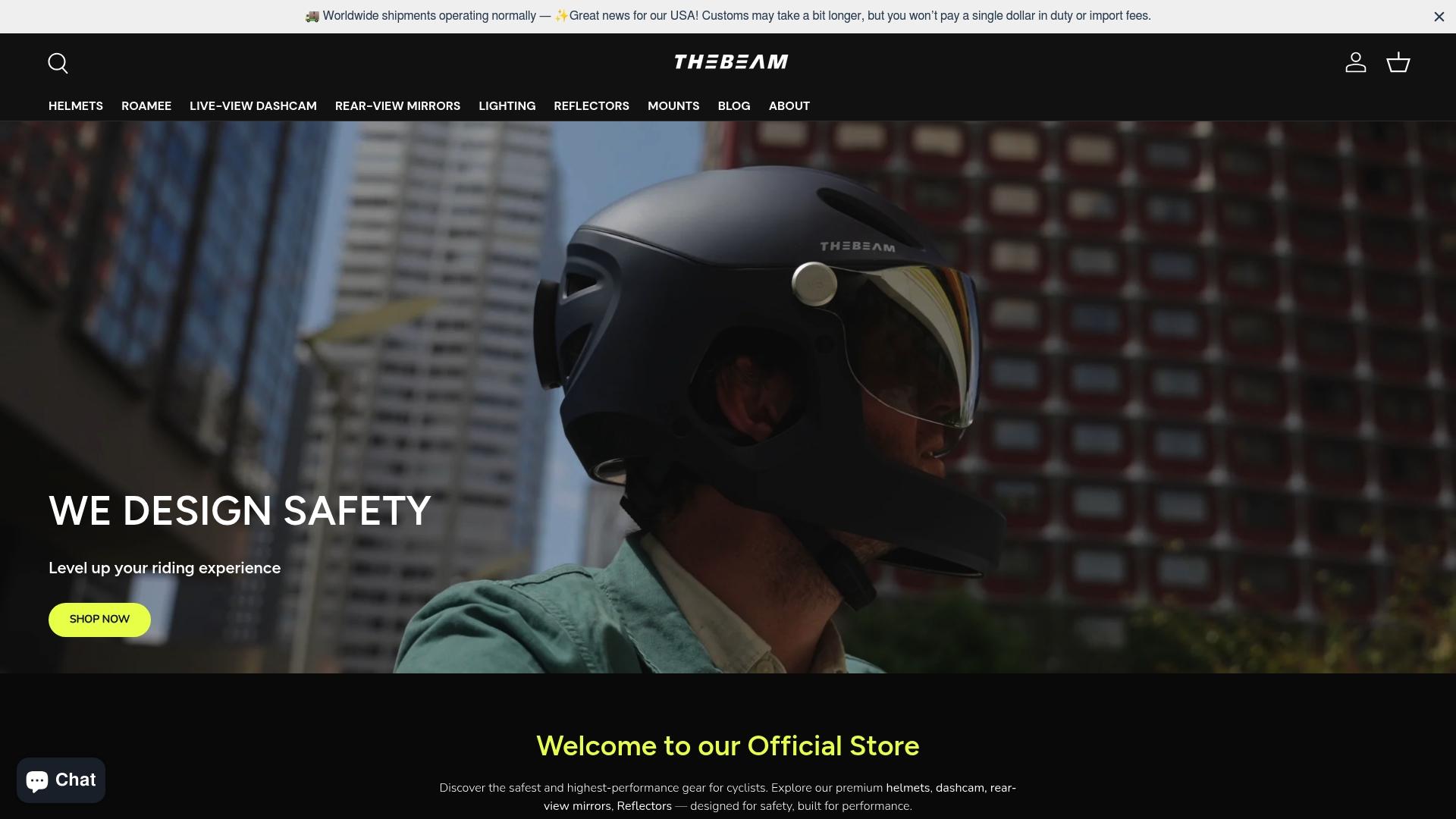
The adult helmet collection and kids’ helmet range give families a single source for certified head protection across every age group. Pair those with the all accessories collection, which includes high-visibility reflectors, rear-view mirrors, and connected safety products, and you have a complete family cycling setup from one brand built around real-world protection.
FAQ
What helmets should children wear for cycling?
Children’s helmets must meet CPSC certification in the U.S. or CE EN 1078 in Europe, and should fit snugly with straps forming a V below each ear. Helmets with MIPS technology offer additional rotational impact protection for young riders.
At what age can a child ride in a bike seat or trailer?
Front-mounted bike seats are suitable from 9 months, rear-mounted seats from 12 months, and trailers from 6–12 months, provided the child can hold their head upright unassisted. Age alone is not sufficient; the child must have the physical development to sit safely.
What should I pack on a family biking trip?
A complete what-to-pack list for a family biking trip includes helmets, front and rear lights, water bottles, snacks in labeled containers, a multi-tool, spare inner tubes, a mini pump, a lock, and a power bank for longer or e-bike rides.
How do I choose a safe route for family cycling?
Prioritize car-free greenways, rail trails, and protected bike lanes. Avoid roads with high speed limits or complex intersections, and plan stops at locations with bathrooms and shade to accommodate children’s needs.
Are bike lights necessary during daytime rides?
Flashing front and rear lights during the day make cyclists significantly more visible to drivers, particularly in low-contrast conditions like overcast skies or tree-lined roads. Daytime light use is one of the simplest and most effective visibility measures a family can take.


