

TL;DR:
- Effective e-bike protection involves combining physical locks, digital recovery tools, and proper documentation to prevent theft and loss. Riders often overlook the importance of documenting serial numbers, photos, and insurance coverage, which are vital after a theft occurs. Proper layering and preparation significantly improve the chances of recovery and financial safety.
E-bike protection is the combination of physical locks, digital recovery tools, and insurance or documentation measures that together reduce your risk of theft, damage, and financial loss. It’s not one product or one habit. It’s a system, and the riders who skip any layer are the ones who end up filing police reports.
Quick checklist to act on right now:
- Lock the frame (not just a wheel) to a fixed object with a quality U-lock
- Register your serial number on Bike Index before anything goes wrong
- Check whether your homeowner or renter policy actually covers your e-bike’s battery and motor
- Add a hidden GPS tracker and test it at your usual parking spot
THE BEAM’s helmets and visibility accessories fit into this system as a rider-safety and incident-documentation layer, not a replacement for locks or insurance.
Table of Contents
- Why e-bikes need different protection than regular bikes
- What are the three core layers of e-bike protection?
- How should you lock an e-bike at different stops?
- What do GPS trackers, alarms, and motor-disable features actually do?
- What should U.S. e-bike riders check about insurance?
- What should you do if your e-bike is stolen?
- How THE BEAM’s products fit into a layered e-bike protection plan
- Key Takeaways
- The part most riders skip
- Thebeamofficial’s visibility and safety gear for e-bike riders
- Useful registries, insurer links, and recovery resources
Why e-bikes need different protection than regular bikes
A mid-range e-bike can cost several thousand dollars. The battery alone can be a significant component of that cost and is often removable in under 30 seconds. That combination of high value, portability, and recognizable components makes e-bikes a fundamentally different theft target than a $400 mechanical bike.
Thieves have adapted. Many don’t bother lifting the whole bike. They strip the battery, the display, or the motor controller and walk away in under a minute. Weight works in your favor for whole-bike theft since e-bikes tend to be heavier, forcing a thief to cut a lock rather than carry the bike. But that same weight means a cheap lock gets cut and the bike gets rolled, not carried.
Standard bicycle insurance and most homeowner or renter policies frequently limit or exclude coverage for e-bike motors, batteries, and electronic systems. Allstate notes that specialized e-bike insurance or a dedicated policy rider is often required to get real coverage for those components. Discovering that gap after a theft is a painful way to learn it.
What are the three core layers of e-bike protection?
Security professionals consistently describe layering as the only approach that works. Each layer adds time, noise, or tool complexity, and opportunistic thieves move on when a target gets difficult.
Layer 1: Physical deterrence
- Lock the frame first, always. A wheel lock alone leaves the most valuable part of the bike free.
- Use two different lock types: a hardened U-lock plus a heavy chain or folding lock. Two lock types force a thief to carry two different cutting tools.
- Secure the battery separately or remove it for stops longer than 30–60 minutes.
- Replace quick-release skewers with security skewers for wheels and the saddle.
Layer 2: Digital recovery
GPS trackers, motion alarms, and manufacturer motor-disable features (like Bosch’s eBike Lock and Battery Lock) improve recovery odds but do not physically prevent theft. Frame them as recovery tools, not replacements for a lock.
Layer 3: Financial and documentation
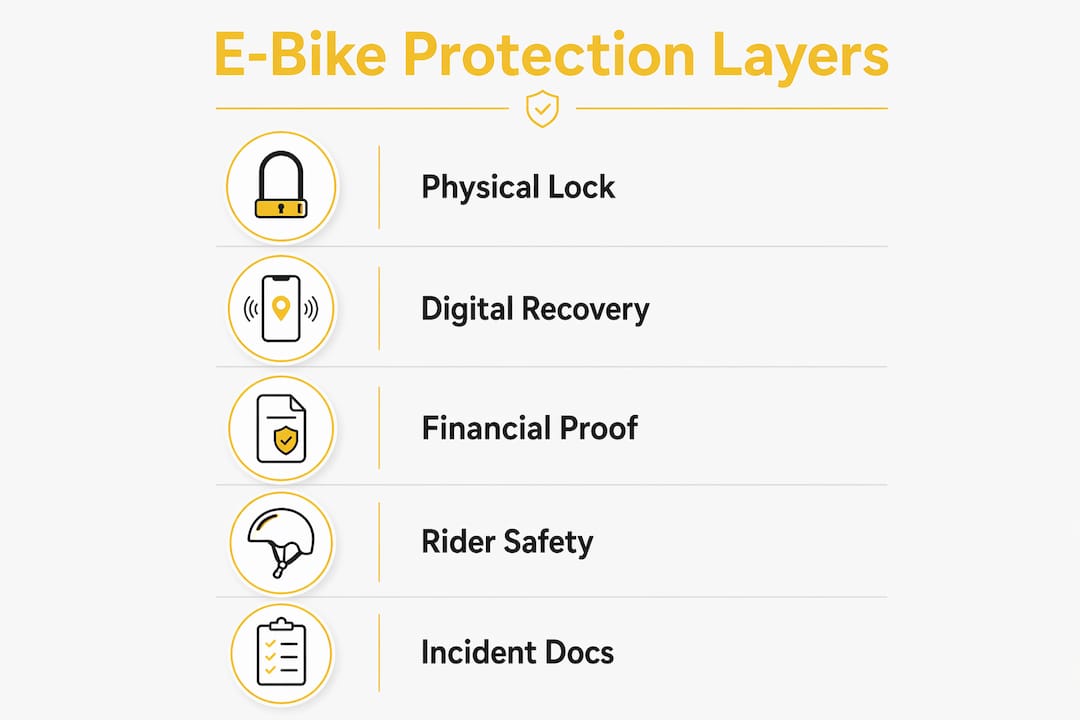
Register your serial number and photos on Bike Index or Project 529 before anything happens. Keep purchase receipts, photos, and serial numbers in a cloud folder. Consider dedicated e-bike insurance that explicitly covers the battery and electronics. Documenting ownership at purchase shortens insurance processing and gives police something to act on.
Pro Tip: Store your serial number, purchase receipt, and two clear photos in a shared cloud folder the day you bring the bike home. You will not remember to do it after a theft.
How should you lock an e-bike at different stops?
A good locking routine is repeatable and matched to how long you’re actually leaving the bike. Here’s how to build one.
Quick stops (under 15 minutes, visible area)
- Choose a rack or post that’s bolted into concrete and can’t be lifted or slipped over.
- Run your primary U-lock through the frame and rear wheel to that object.
- Keep the lock body off the ground to prevent leverage attacks; orient the keyhole downward.
- Remove any loose accessories (phone mount, display, bags).
Medium stops (15 minutes to a few hours)
- Follow the quick-stop steps above.
- Add a secondary folding lock or chain through the front wheel and back to the same anchor.
- If the battery is removable, take it with you. A stolen battery is a significant loss even when the frame stays.
Long stops and overnight parking
- Bring the bike inside whenever possible. Indoor storage is the single biggest theft-risk reducer available, eliminating most opportunistic theft vectors entirely.
- If outdoor parking is unavoidable, use a heavy chain lock in addition to your U-lock, and choose a well-lit, high-traffic location.
- Vary your parking spot. Predictable patterns are one of the most common factors that enable repeat theft.
Lock selection matters beyond security ratings. A technically strong lock that doesn’t fit your actual rack geometry or frame size fails as protection. Measure your common parking locations before buying, and test the setup at home before your first commute.
Pro Tip: For daily commuters, a mid-weight U-lock paired with a folding lock gives the best balance of security and portability. Heavy chain locks are better suited to overnight or long-term outdoor parking where you can leave them on-site.
What do GPS trackers, alarms, and motor-disable features actually do?
Digital tools are recovery aids, not theft prevention. A tracker won’t stop a bolt cutter. What it does is give law enforcement a location to act on, which meaningfully improves recovery odds when paired with a police report.
GPS trackers:
- Hide them inside the frame, under the seat post, or in the battery compartment for best concealment.
- Check battery life and subscription requirements before committing to a model.
- Test signal strength at your usual parking spots before relying on the tracker. Cellular dead zones exist, and a tracker that loses signal in your office parking garage is useless.
Motion alarms:
- Visible alarms deter opportunistic thieves; hidden alarms are better for covert recovery.
- False alarms are common in busy areas. Adjust sensitivity settings to reduce them, or neighbors and passersby will start ignoring the sound entirely.
Motor-disable and E-lock features:
Bosch’s eBike Lock, for example, uses your phone as a digital key. If the bike moves without your phone nearby, the motor support disables. Battery Lock makes a stolen battery non-functional on another bike. These features make the bike harder to resell and assist recovery, but they don’t keep the bike attached to a rack.
Pro Tip: Pair any tracker with registration on Bike Index. A tracker tells you where the bike is; registration gives police the documentation they need to act on that information.
What should U.S. e-bike riders check about insurance?
Homeowner and renter policies often cap electronics or sporting goods coverage well below what an e-bike costs to replace. Many pause coverage when items are away from the home, which is exactly when theft happens. Allstate’s guidance confirms that coverage for batteries and electronics is commonly restricted under general policies and may require a casco or all-risk module to cover accidental damage and vandalism.
Before you assume you’re covered, confirm these items in writing:
- Does the policy cover the motor and battery as named components?
- Is accidental damage (falls, collisions, vandalism) included, or is it theft-only?
- What lock type or security behavior does the policy require for a theft claim to be valid?
- Are there geographic limits (home only vs. public parking)?
- What’s the deductible, and does the policy pay new-value or depreciated value?
Documentation to keep ready for any claim:
- Serial number (frame and battery)
- Purchase receipt with date and price
- Photos of the bike from multiple angles
- Photos of the lock you use and proof of the key
- Registration confirmation from Bike Index or Project 529
Insurers commonly require all of the above before processing a theft claim. Missing any one item can delay or void a payout.
What should you do if your e-bike is stolen?
The first 24 hours matter most. Here’s the order of operations:
- Call the police immediately and file a report. Only a fraction of theft victims report to police, which hurts recovery odds across the board.
- Pull your serial number, photos, and receipts from your cloud folder.
- Share your tracker’s live location with the responding officer. Do not attempt to recover the bike yourself.
- Mark the bike as stolen on Bike Index and post to local community groups and secondhand marketplaces (Facebook Marketplace, Craigslist, OfferUp).
- File your insurance claim with the police report number, serial number, photos, and lock proof.
- Monitor online listings for your bike’s make, model, and color in the days following the theft.
Keep communication open with both law enforcement and your insurer. Recovery sometimes happens weeks later through marketplace listings or registry matches.
How THE BEAM’s products fit into a layered e-bike protection plan
Locks and trackers handle theft prevention. THE BEAM’s products address a different layer: rider safety and incident documentation, which matters whether a theft attempt turns physical or a crash happens during a commute.
The VIRGO full-face helmet with MIPS technology protects against rotational impact forces, the kind most common in urban riding where sudden stops and collisions with vehicles or curbs are real risks. For e-bike commuters riding at higher speeds than a standard bicycle, that protection gap is significant.
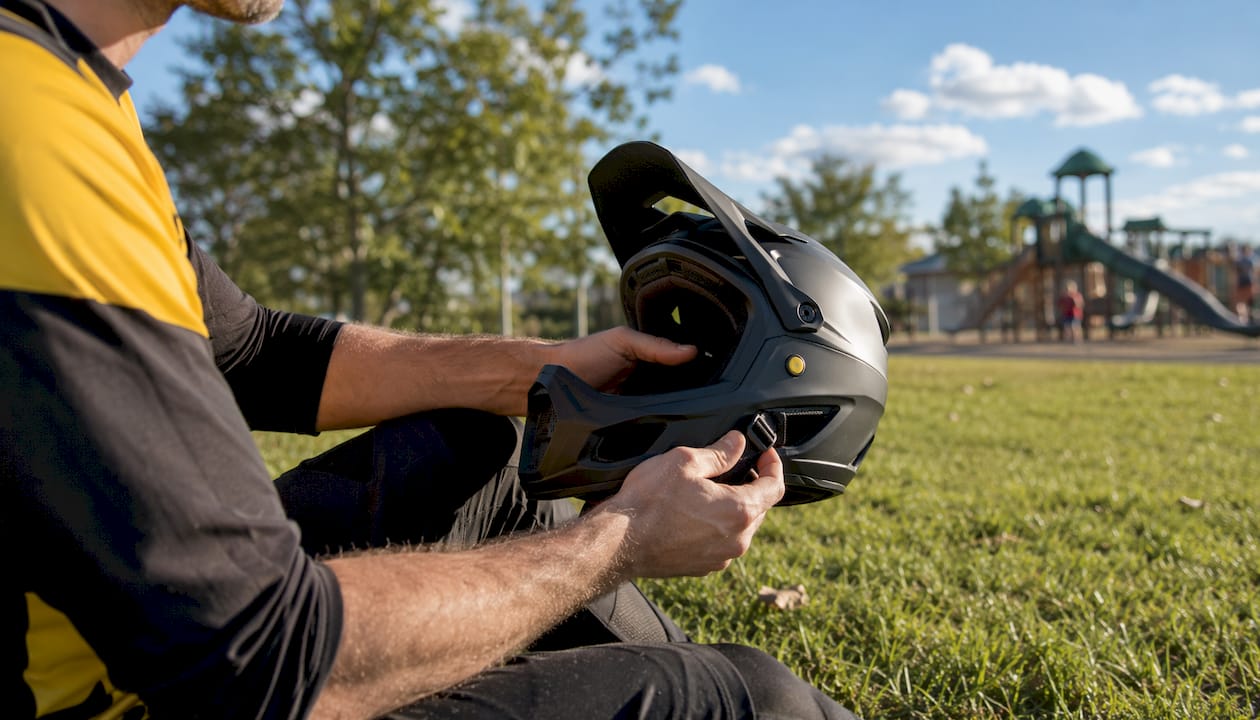
THE BEAM’s FRAME FLASH reflectors add high-visibility signaling that makes the bike and rider more conspicuous in low-light conditions, which also serves as a mild deterrent in poorly lit parking areas. Visibility gear doesn’t stop a determined thief, but it changes the risk calculus in marginal situations.
For incident documentation, THE BEAM’s AI-powered rear-view dashcam accessories capture footage that can support insurance claims after a collision or a theft attempt. Stored alongside your serial number and receipts, that footage becomes part of your ownership and incident record.
Pro Tip: Check out THE BEAM’s e-bike safety accessories guide for a full breakdown of how visibility and protection gear pair with your lock and tracker setup.
Key Takeaways
Effective e-bike protection requires three equal layers: physical locks on the frame first, digital tools for recovery, and insurance plus documentation to cover financial loss.
| Point | Details |
|---|---|
| Lock the frame first | Run your primary U-lock through the frame and a wheel to an immovable object, not just a wheel alone. |
| Use two lock types | A U-lock plus a chain or folding lock forces a thief to carry two different cutting tools. |
| Register before theft | Add your serial number and photos to Bike Index the day you get the bike, not after it’s gone. |
| Check your insurance | Homeowner policies often exclude e-bike motors and batteries; dedicated coverage or a rider is usually needed. |
| Thebeamofficial’s role | THE BEAM helmets, FRAME FLASH reflectors, and dashcam accessories add the rider-safety and documentation layer to your protection setup. |
The part most riders skip
The riders I see get burned aren’t the ones who skipped a GPS tracker or forgot to buy a chain lock. They’re the ones who documented nothing. No serial number saved anywhere. No photo of the bike. No idea what insurance they actually have. When the bike disappears, they have nothing to give police and nothing to give an insurer.
The physical and digital layers get all the attention because they’re gear, and gear is satisfying to buy. The documentation layer costs nothing and takes ten minutes, and almost nobody does it until after the first theft.
My honest recommendation for city commuters: one serious U-lock through the frame, a secondary folding lock for the front wheel, battery removed for any stop over an hour, and a cloud folder with your serial number and two photos set up before your first ride. Weekend riders with lower daily exposure can be slightly more flexible, but the documentation habit applies to everyone.
Thebeamofficial’s visibility and safety gear for e-bike riders
Physical locks and trackers protect the bike. THE BEAM protects you on it, and that’s the layer that matters most when something goes wrong at speed.
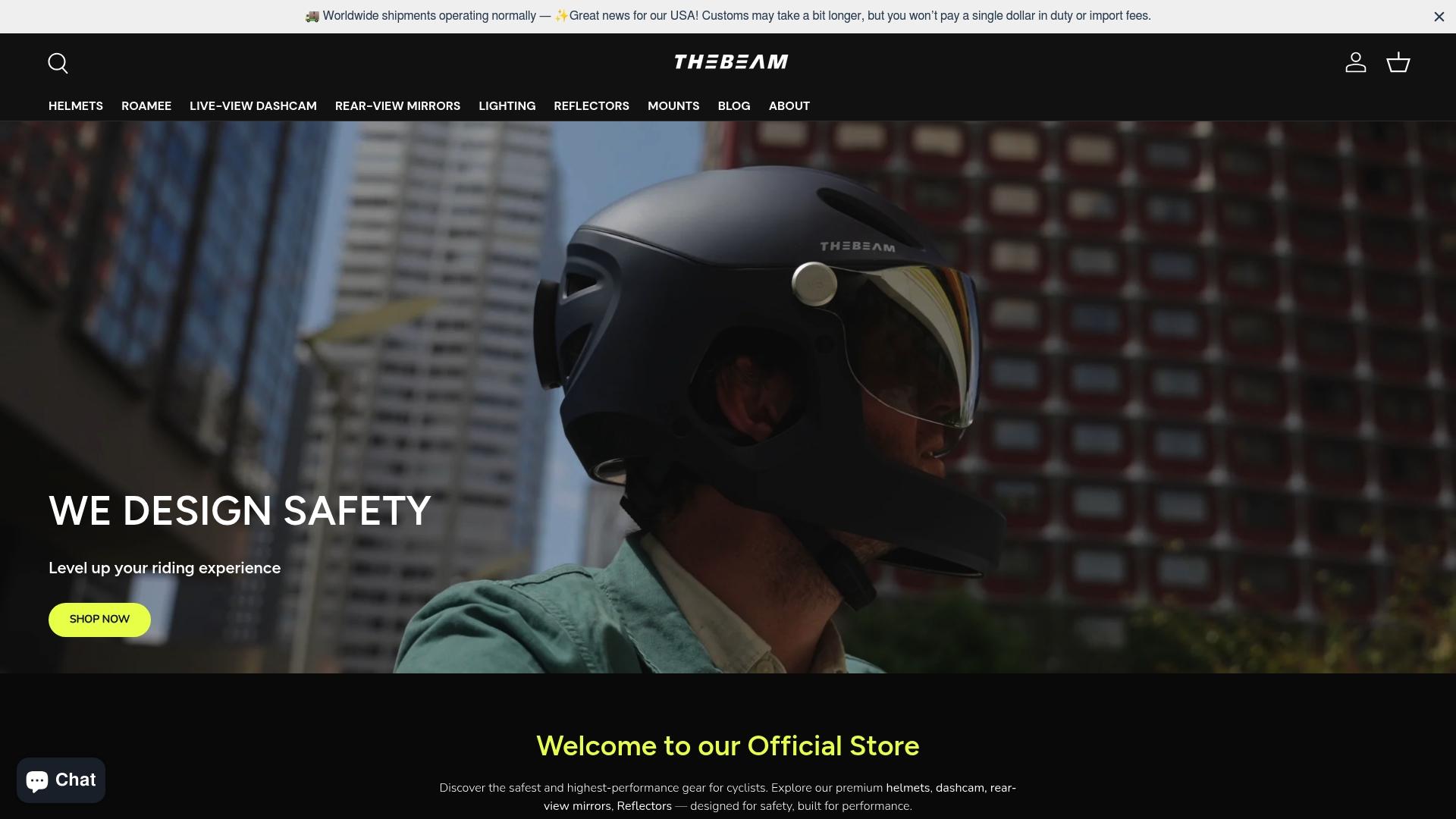
THE BEAM’s VIRGO helmet with MIPS technology is built for the demands of e-bike commuting: higher speeds, urban traffic, and the rotational impact forces that standard helmets underaddress. Pair it with FRAME FLASH reflectors for low-light visibility and a rear-view dashcam accessory for incident documentation, and you have a rider-safety setup that works alongside your locks and insurance, not instead of them.
Browse the full safety accessories collection to find the visibility and documentation gear that fits your commute.
Useful registries, insurer links, and recovery resources
| Resource | What it does | Where to start |
|---|---|---|
| Bike Index | Free serial number registry; marks stolen bikes and aids recovery | Register your bike at bikeindex.org before a theft |
| Project 529 | Registry with community recovery network and police partnerships | Create a free record at project529.com |
| Allstate e-bike insurance guide | Explains coverage gaps and what a dedicated e-bike policy should include | Review before purchasing or renewing a policy |
| THE BEAM e-bike safety blog | Accessory and gear guidance for commuting and protection layering | Start with the accessories and safety gear guides |
This article is general information, not legal or insurance advice. Confirm current policy terms and coverage conditions directly with your insurer or a licensed professional for your specific situation.


