

Imagine cutting your risk of serious brain injury by 40% just by choosing the right helmet. That’s the game-changing promise of 2026’s new cycling helmet safety standards in Europe and the United States. These updates prioritize rotational impact protection, a critical factor in preventing traumatic brain injuries that older standards ignored. Whether you commute daily or ride for sport, understanding these changes helps you make smarter choices about the gear protecting your head.
Table of Contents
- Introduction To 2026 Cycling Helmet Standards
- Detailed Changes In 2026 Helmet Safety Standards In Europe And The US
- Advanced Safety Technologies Underpinning 2026 Standards
- Common Misconceptions About Cycling Helmet Safety Standards
- Comparing Pre-2026 And 2026 Standards: What’s New And Why It Matters
- Practical Recommendations For Cyclists Choosing 2026-Compliant Helmets
- The Future Of Cycling Helmet Safety Beyond 2026
- Frequently Asked Questions About Cycling Helmet Standards 2026
Key takeaways
| Point | Details |
|---|---|
| 2026 standards add rotational impact tests | Both Europe and the US now require helmets to pass angular acceleration tests, addressing the leading cause of cycling brain injuries. |
| MIPS technology exceeds new requirements | Helmets with MIPS reduce rotational brain injury risk by up to 40% compared to non-MIPS designs. |
| E-bike helmets face stricter speed tests | New protocols mandate higher impact velocity testing to match real-world e-bike accident conditions. |
| Old helmets fail new safety benchmarks | Pre-2026 certified helmets don’t provide equivalent protection under updated rotational impact assessments. |
| Verify compliance through updated labels | Look for EN 1078:2026 or CPSC 2026 certification marks to confirm your helmet meets current standards. |
Introduction to 2026 cycling helmet standards
For decades, helmet certifications explained under EN 1078 in Europe and CPSC in the United States focused almost exclusively on linear impact protection. These tests measured how well helmets absorbed direct, straight-on collisions but completely overlooked rotational forces that twist the brain inside the skull during angled impacts. Research consistently showed that most cycling accidents involve oblique collisions, where the head strikes at an angle, generating dangerous rotational acceleration.
The 2026 cycling helmet standards impose stricter test protocols to significantly improve rider safety by finally addressing this gap. These updates reflect years of biomechanical research demonstrating that rotational brain injuries cause severe, long-term neurological damage. The new standards expand their scope beyond traditional helmets to include premium models and specialized e-bike requirements, recognizing that different cycling contexts demand tailored protection.
Key changes include:
- Mandatory rotational impact testing for all helmet types
- Lower acceleration thresholds requiring better energy absorption
- Higher speed impact tests for e-bike specific helmets
- Enhanced visibility and durability requirements for urban cycling
- Stricter quality control and certification processes
This represents a fundamental shift in how regulators think about brain protection. Instead of treating all impacts as purely linear events, 2026 standards acknowledge the complex mechanics of real-world crashes. Helmets must now prove they can handle the twisting, sliding motions that occur when a rider’s head glances off pavement or a vehicle. This evolution directly responds to accident data showing traditional testing missed the most dangerous injury mechanisms.
Detailed changes in 2026 helmet safety standards in Europe and the US
EN 1078 added rotational impact testing and lowered acceleration thresholds in 2026, marking the first time European regulations explicitly measured angular forces. Previously, a helmet could pass certification by simply preventing skull fractures in vertical drop tests. Now, manufacturers must demonstrate their designs reduce rotational acceleration below specific limits when impacted at various angles. This change forced widespread helmet redesigns across the industry.
The United States followed a parallel path. The US CPSC standard now includes angular acceleration tests effective 2026, aligning American safety requirements with emerging scientific consensus on brain injury prevention. These tests use sophisticated sensors to measure how much the helmet allows the head form to rotate during impact, with strict maximum thresholds helmets cannot exceed.
Implementation timeline and regional differences:
- Europe mandated full compliance starting January 2026 for all new helmet models
- United States phased in requirements with enforcement beginning July 2026
- Both regions require existing inventory to meet new standards by January 2027
- E-bike helmets face additional speed thresholds reflecting typical assisted cycling velocities
- Certification bodies updated testing equipment and protocols throughout 2025 to prepare
E-bike helmets received special attention because riders regularly travel at speeds exceeding traditional bicycle velocities. The new standards require these helmets to withstand impacts at up to 28 mph, compared to 14 mph for standard cycling helmets. This reflects accident data showing e-bike crashes often occur at higher speeds, demanding greater protection. Enhanced durability testing also ensures these helmets maintain structural integrity through repeated impacts and environmental stress.
These regulatory changes created immediate market effects. Helmet manufacturers invested heavily in MIPS technology explanation and similar rotational protection systems to meet the new requirements. Legacy designs that relied solely on foam compression became obsolete overnight. Consumers now have access to genuinely safer helmets, but only if they understand how to identify 2026-compliant products.
Advanced safety technologies underpinning 2026 standards
MIPS technology reduces rotational brain injury risk by up to 40% compared to non-MIPS helmets, making it the gold standard for meeting 2026’s rotational impact requirements. MIPS works by adding a low-friction layer between the helmet shell and the inner foam liner. During an angled impact, this layer allows the helmet to rotate slightly relative to your head, redirecting dangerous rotational forces away from your brain. Think of it like how a car’s crumple zone absorbs crash energy instead of transferring it to passengers.
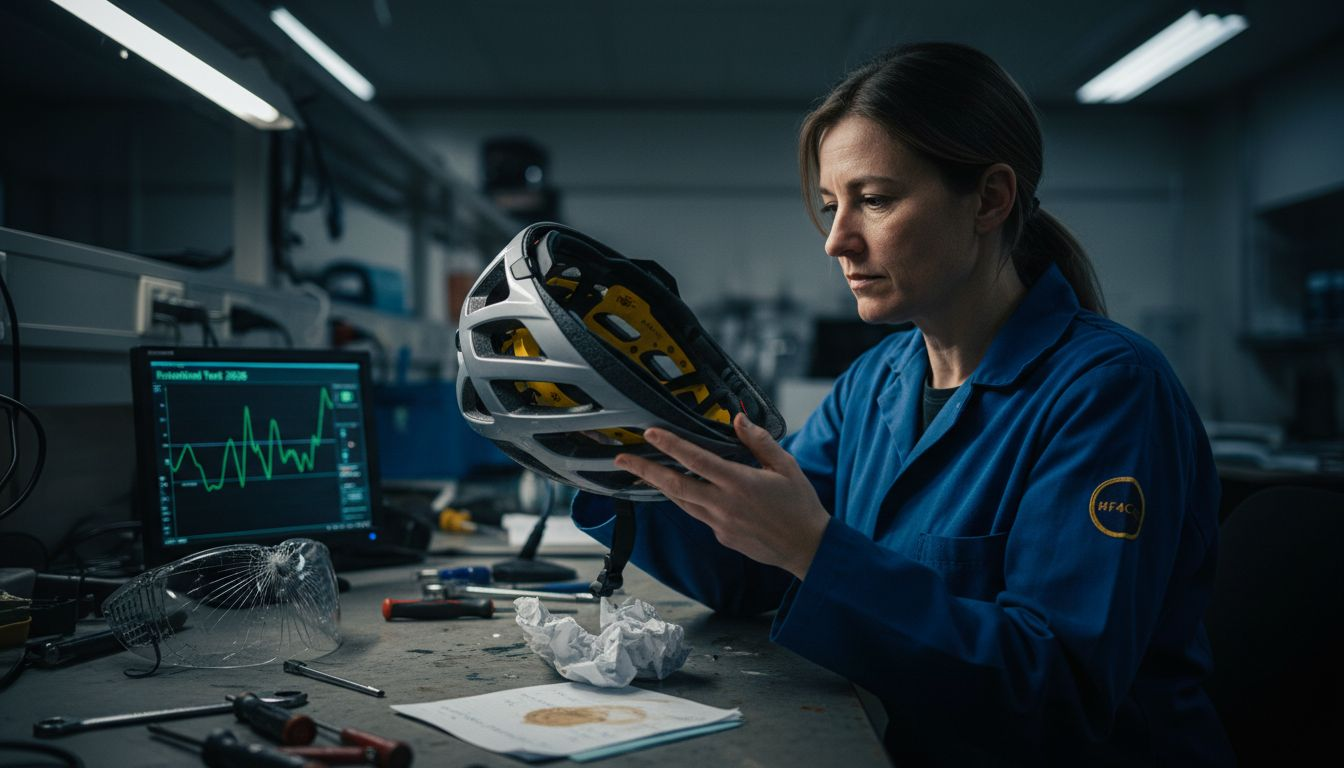
The 2026 standards essentially validated what biomechanical researchers have known for years. Helmets without rotational protection systems struggle to pass the new angular acceleration tests. This validation pushed MIPS role in new safety standards from a premium feature to an essential component in quality helmets. Manufacturers responded by integrating MIPS and competing technologies like WaveCel and SPIN into their designs.
Key technological advances enabling 2026 compliance:
- Multi-directional impact liners that slide independently during crashes
- Advanced foam materials with optimized compression characteristics
- Reinforced shell structures distributing impact forces more effectively
- Integrated retention systems maintaining helmet position during rotation
- Computer-aided design validated through finite element analysis
For e-bike riders, high-visibility features complement impact protection under the new rules. Reflective materials and mounting points for lights help prevent accidents in the first place. Some premium helmets now include integrated rear lighting systems and reflective shells that dramatically improve rider visibility in low-light conditions. These features aren’t just nice additions; they’re increasingly required elements of comprehensive safety design.
Pro Tip: When shopping for a new helmet, verify both the 2026 certification mark AND the presence of a rotational protection system. Some basic helmets may technically pass minimum standards without offering the enhanced protection that MIPS and similar technologies provide. Look for helmets explicitly marketed as featuring these systems.
Understanding these technologies helps you evaluate marketing claims critically. Not all rotational protection systems perform equally, and independent testing reveals significant variation in effectiveness. The best helmets combine proven technologies like MIPS with thoughtful design elements that work together as an integrated safety system. Don’t settle for helmets that merely meet minimum requirements when superior protection costs only marginally more.
Common misconceptions about cycling helmet safety standards
Many cyclists assume their pre-2026 certified helmet provides adequate protection because it displays a familiar certification sticker. This dangerous misconception ignores the fundamental limitations of older testing protocols. Legacy helmets passed standards that didn’t measure rotational forces at all, meaning they offer zero verified protection against the injury mechanism causing most serious brain damage. Wearing an old helmet is better than nothing, but it’s nowhere near equivalent to a 2026-compliant design.
Another widespread myth suggests all helmet safety myths and facts certification marks guarantee similar protection levels. In reality, certification standards vary dramatically in rigor and scope. Some regional standards require only basic impact absorption tests, while others mandate comprehensive assessments including rotational forces, multiple impact points, and retention system strength. Understanding these differences prevents consumers from accidentally choosing substandard helmets based on misleading marketing.
Common false beliefs that compromise safety:
- Old helmets meeting previous standards offer comparable brain protection to 2026 designs
- All certification marks indicate equivalent safety performance across regions
- Rotational protection technologies like MIPS are just marketing gimmicks without real benefits
- Any helmet prevents serious brain injuries equally well regardless of design
- You can visually assess helmet safety without checking updated certification labels
The notion that MIPS and similar systems represent marketing hype rather than evidence-based engineering particularly frustrates safety advocates. Extensive biomechanical research published in peer-reviewed journals consistently demonstrates these technologies’ effectiveness. Laboratory testing, computer modeling, and real-world accident analysis all confirm that rotational protection systems substantially reduce brain injury risk. Dismissing them as marketing ignores overwhelming scientific consensus.
Choosing helmets without verifying 2026 compliance means potentially riding with obsolete protection that fails to address known injury mechanisms. The regulatory updates didn’t happen arbitrarily; they resulted from decades of research showing traditional helmets left riders vulnerable to preventable brain injuries. Treating all helmets as interchangeable commodities demonstrates a fundamental misunderstanding of how head protection actually works. Your brain deserves better than outdated safety standards.
Comparing pre-2026 and 2026 standards: what’s new and why it matters
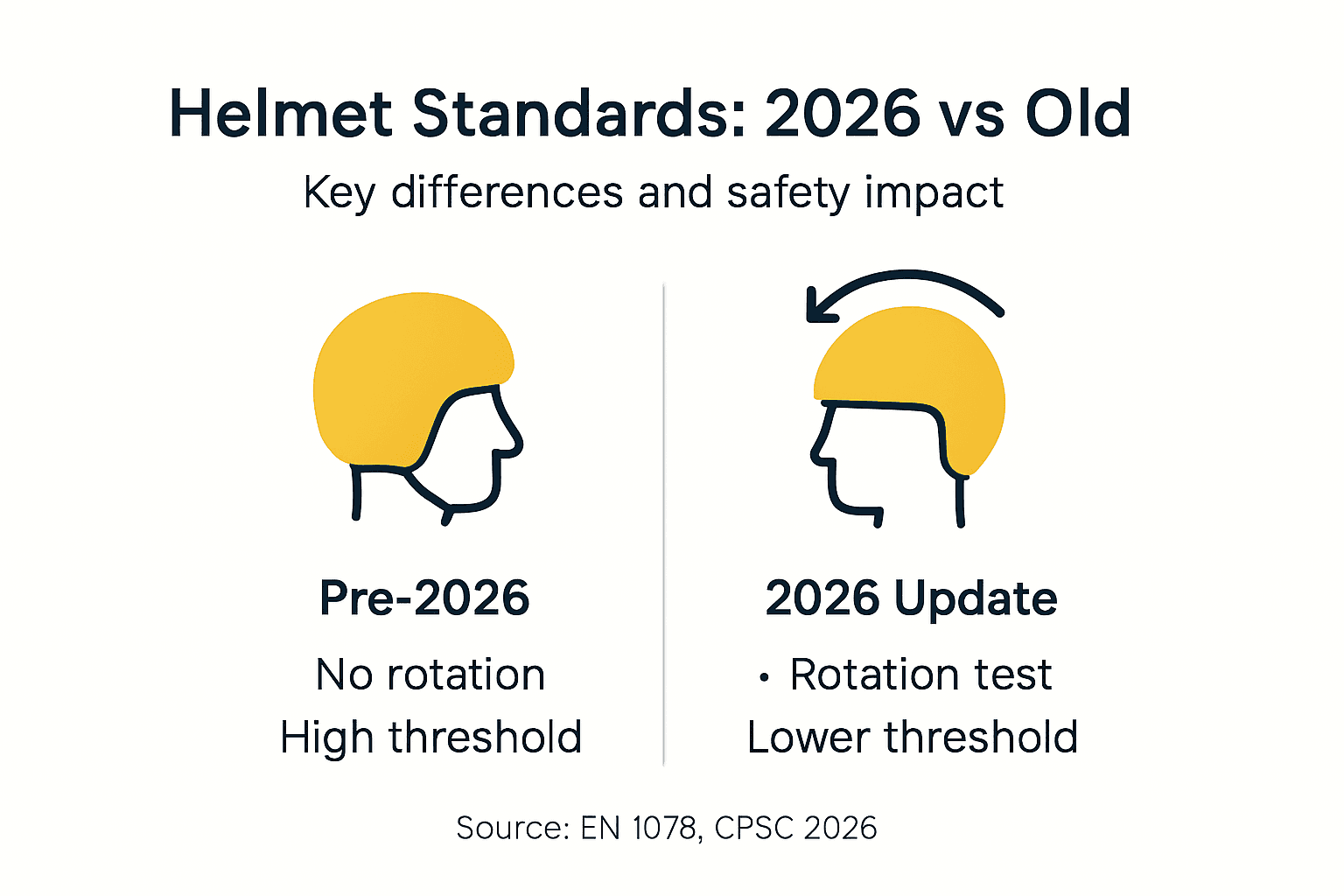
2026 standards introduce essential rotational impact testing missing from earlier regulatory frameworks, fundamentally changing what “certified safe” means for cycling helmets. This comparison table breaks down the critical differences between legacy and current requirements, showing exactly how much protection standards have improved.
| Feature | Pre-2026 Standards | 2026 Standards | Safety Impact |
|---|---|---|---|
| Rotational impact testing | Not required | Mandatory for all helmets | Addresses leading cause of traumatic brain injuries |
| Linear acceleration threshold | 300g maximum | 250g maximum | Better protection against skull fractures and concussions |
| Angular acceleration limit | No measurement | 6000 rad/s² maximum | Reduces dangerous brain rotation inside skull |
| E-bike impact speed | 14 mph standard | 28 mph required | Matches real-world e-bike crash velocities |
| Multi-angle testing | Single impact point | Multiple oblique angles | Reflects actual accident impact patterns |
| Visibility requirements | Optional | Mandatory reflective elements | Helps prevent accidents through better rider visibility |
The lower acceleration thresholds represent a significant tightening of safety requirements. Every 50g reduction in peak acceleration during impact substantially decreases injury severity. Helmets meeting the new 250g limit must use more advanced foam formulations and structural designs that distribute forces more effectively. This seemingly small numerical change forced manufacturers to completely rethink their approach to energy absorption.
Design evolution driven by 2026 requirements extends beyond adding MIPS inserts. Engineers now optimize shell geometry using computer simulations that model how helmets behave during oblique impacts. They select materials based on how well they handle both compression and shearing forces. The result is helmets that look similar to older models but function dramatically differently during crashes. Internal architecture matters far more than external appearance.
Pro Tip: When comparing helmets, don’t just check for 2026 certification. Ask retailers or manufacturers which specific rotational protection system the helmet uses and whether it passed testing with margin beyond minimum requirements. Premium helmets often exceed standards by significant amounts, providing extra peace of mind.
The differences between old and new helmet standards become especially apparent in side-impact scenarios, where rotational forces peak. Legacy helmets might prevent skull fractures in these situations but allow dangerous brain rotation. Modern designs actively counteract this rotation, keeping your brain more stable inside your skull. This distinction matters enormously for long-term neurological health after accidents.
Practical recommendations for cyclists choosing 2026-compliant helmets
Smart helmet selection starts with verification, not assumptions. Examine the certification label inside the helmet, looking specifically for updated markings indicating 2026 compliance. European helmets should display “EN 1078:2026” or newer date codes. American helmets need “CPSC 2026” or explicit language confirming angular acceleration testing. Retailers sometimes stock old inventory alongside new models, making label verification essential for ensuring you’re actually getting current protection.
Beyond basic certification, prioritize helmets featuring integrated rotational protection systems. While 2026 standards mandate rotational testing, some basic helmets barely scrape past minimum requirements without incorporating proven technologies like MIPS. Premium helmets with dedicated rotational protection consistently outperform minimum-compliance designs in independent testing. The modest price difference between basic and advanced helmets represents excellent value considering the dramatically superior brain protection.
Essential factors for informed helmet selection:
- Verify current certification marks specific to 2026 updated standards
- Confirm presence of named rotational protection technology like MIPS, WaveCel, or SPIN
- Match helmet type to your cycling style, especially for e-bike riders needing speed-rated protection
- Check for high-visibility features including reflective materials and light mounting points
- Ensure proper fit using adjustable retention systems that keep the helmet stable during rotation
E-bike riders face unique considerations under 2026 rules. Standard cycling helmets lack the enhanced impact resistance required for higher-speed crashes. Look specifically for helmets labeled as e-bike rated or speed pedelec certified, confirming they passed the elevated velocity testing protocols. These helmets typically feature reinforced construction and extended coverage protecting vulnerable areas like temples and the back of your head.
Le site shop 2026-compliant helmets from reputable brands ensures you’re getting genuinely tested products rather than designs making unsubstantiated safety claims. Established manufacturers invest in proper certification testing and maintain relationships with accredited testing laboratories. Budget brands sometimes display certification-like stickers without actually completing required testing protocols. Stick with known brands that publicly document their safety testing and certification processes.
Fit matters as much as certification. Even the safest helmet provides inadequate protection if it shifts during impact. Spend time adjusting retention systems to achieve a snug, stable fit that doesn’t require excessive strap tension. The helmet should sit level on your head, covering your forehead, and remain firmly in place when you shake your head vigorously. Many shops offer professional fitting services that ensure optimal positioning and adjustment.
Consider helmets with documented real-world performance beyond laboratory testing. Some manufacturers participate in accident investigation programs, studying how their helmets perform in actual crashes. This data provides valuable insights into practical protection levels that laboratory tests can’t fully capture. While certification testing establishes minimum safety thresholds, real-world validation demonstrates how helmets protect riders in the unpredictable chaos of actual accidents.
The future of cycling helmet safety beyond 2026
Helmet safety evolution continues accelerating as researchers explore next-generation protection concepts. Future standards will likely incorporate sensor technologies monitoring impact forces in real time, automatically alerting emergency services when crashes exceed certain thresholds. These smart helmets could revolutionize post-accident care by ensuring rapid medical response even when riders are unconscious or unable to call for help themselves.
Material science advances promise even better energy absorption with lighter weight and improved comfort. Researchers are developing novel foam formulations and structural designs inspired by nature, mimicking how woodpecker skulls absorb repeated impacts or how certain plant structures distribute forces. These biomimetic approaches could yield helmets that provide superior protection while weighing less and offering better ventilation than current designs.
Emerging technologies shaping helmet safety:
- Integrated impact sensors providing crash severity data to medical responders
- Connected helmet systems with automatic emergency calling and GPS location sharing
- Advanced materials offering superior protection with reduced weight and bulk
- Adaptive protection systems that adjust stiffness based on impact velocity
- Augmented reality displays providing navigation and safety information without distraction
Ongoing research continues refining our understanding of brain injury mechanisms and how helmets can better counteract them. Scientists use increasingly sophisticated computer models simulating brain tissue behavior during impacts, identifying subtle injury pathways that current protection strategies might miss. This research will inform future standard updates, potentially adding new testing requirements addressing recently discovered injury mechanisms.
Staying informed about helmet safety developments helps you make proactive protection decisions as new technologies emerge. Follow reputable cycling safety organizations and biomechanical research institutions publishing peer-reviewed studies on helmet effectiveness. Verify MIPS certification and other safety features through manufacturer websites and independent testing organizations that evaluate real-world performance.
The cycling industry’s commitment to continuous safety improvement means today’s cutting-edge helmets will eventually become tomorrow’s minimum standards. This progression benefits all cyclists as advanced protection technologies become mainstream and affordable. By choosing certified helmets meeting current standards and supporting manufacturers investing in safety research, you contribute to this positive cycle driving ever-better head protection for all riders.
Optimize your ride protection with premium helmets from The Beam
Now that you understand what makes helmets truly safe under 2026 standards, it’s time to upgrade your protection with gear that embodies these advances. The Beam specializes in premium helmets collection featuring cutting-edge safety technology including MIPS rotational protection and 2026 certification compliance. Our VIRGO integral helmet exemplifies how thoughtful engineering combines maximum brain protection with comfort and style for serious cyclists.
Beyond helmets, our comprehensive cycling safety gear guide helps you build complete protection systems addressing visibility, impact resistance, and emergency response. We offer rear-view mirrors, high-visibility reflectors, and connected safety devices that work together with your helmet to minimize accident risk. Every product undergoes rigorous testing ensuring it delivers real-world protection, not just marketing promises.
Explore our expert content to learn about MIPS technology and other innovations keeping you safe on every ride. The Beam combines French design excellence with evidence-based safety engineering, creating gear that performs when it matters most. Visit our collection today and ride with confidence knowing your head protection meets the highest global standards.
Frequently asked questions about cycling helmet standards 2026
How do I identify if my helmet meets 2026 certification requirements?
Check the certification label inside your helmet for specific 2026 date codes. European helmets should show “EN 1078:2026” while US helmets need “CPSC 2026” markings. Older labels without these updated designations indicate pre-2026 standards lacking rotational impact testing.
Can I upgrade or recertify my old helmet to meet 2026 standards?
No, helmets cannot be retrofitted or recertified for 2026 compliance. The new standards require fundamental design changes including rotational protection systems integrated during manufacturing. You must purchase a new helmet specifically engineered and tested to meet current requirements.
Is MIPS technology mandatory for all helmets sold after 2026?
MIPS itself isn’t mandatory, but helmets must pass rotational impact tests that MIPS helps achieve. Some manufacturers use alternative systems like WaveCel or SPIN meeting the same performance requirements. The key is verified rotational protection, regardless of the specific technology brand.
What should e-bike riders specifically look for in 2026-compliant helmets?
E-bike riders need helmets rated for higher impact speeds, typically marked as speed pedelec or e-bike certified. These helmets pass testing at 28 mph rather than standard 14 mph protocols, providing essential protection matching e-bike velocities. Enhanced coverage and durability are also critical features.
When will the next major helmet safety standards update occur?
Regulators typically review standards every 5 to 7 years based on emerging research. The next significant update will likely occur around 2031 to 2033, potentially adding smart helmet requirements and sensor integration mandates. However, continuous minor revisions happen as new safety data emerges.
Do 2026 standards apply to children’s helmets differently than adult models?
Children’s helmets must meet the same rotational impact requirements as adult helmets under 2026 standards. Some jurisdictions add extra requirements for smaller head sizes, ensuring protection scales appropriately. Always verify age-appropriate certification when purchasing helmets for young riders.


