

Despite advances in helmet technology, approximately 1,000 bicyclist deaths occur annually in the U.S., with over 120,000 emergency visits from crashes. More alarming, 59% of cyclist fatalities happen on road segments away from intersections, where speeds are higher and awareness is lower. Understanding and applying updated safety measures in 2026 can drastically improve your protection and riding confidence.
Table of Contents
- Selection Criteria: How to Choose the Best Safety Measures for You
- Choose a Certified Helmet with Advanced Protection
- Wear High-Visibility Gear for Day and Night
- Check Your Bike’s Brakes and Tires Regularly
- Use Rear-View Mirrors and Install Effective Bike Lights
- Follow Updated Traffic Laws and Local Regulations
- Carry Emergency Contact and First-Aid Essentials
- Summary Comparison: Safest Practices and Accessories for 2026
- Optimize Your Cycling Safety Gear with The Beam
- Frequently Asked Questions
Key Takeaways
| Point | Details |
|---|---|
| Helmet Protection | Certified helmets with MIPS technology reduce head injury odds by 50% and rotational forces by 40%. |
| Visibility Enhancement | High-visibility gear and rear-view mirrors increase driver detection by 50-70% and reduce accident risk. |
| Regular Maintenance | Pre-ride brake and tire checks prevent 33% of equipment-related crashes. |
| Traffic Law Compliance | Following updated 2026 cycling regulations reduces crash severity by up to 30%. |
| Emergency Preparedness | Carrying contact info and first-aid supplies decreases post-accident complications by 20%. |
Selection Criteria: How to Choose the Best Safety Measures for You
Choosing effective cycling safety measures in 2026 requires evaluating multiple factors that work together to protect you on every ride. Start with helmet certification standards that guarantee tested protection levels. In the U.S., look for CPSC approval, while European riders should verify EN 1078 compliance.
Visibility forms your second line of defense. Fluorescent clothing catches attention in daylight, while reflective strips and bike lights ensure drivers see you at dawn, dusk, and nighttime. Combining these with rear-view mirrors gives you complete situational awareness of approaching traffic.
Maintenance prevents accidents before they happen. Checking your brakes and tires before each ride eliminates the mechanical failures that cause thousands of preventable crashes annually. This simple habit takes two minutes but dramatically reduces your risk exposure.
Legal knowledge protects you both physically and financially. Understanding local traffic laws specific to cyclists helps you ride predictably, which drivers appreciate and respond to safely. Speed limit compliance in urban zones alone cuts crash severity significantly.
Finally, emergency preparedness ensures that if an accident does occur, you receive prompt, appropriate care. Carrying identification, medical information, and basic first-aid supplies can be lifesaving when response times matter most.
Pro Tip: Prioritize measures based on your riding environment. Urban commuters benefit most from mirrors and lights, while rural riders should focus on high-visibility clothing and helmet protection for higher-speed roads.
- Verify helmet certifications match your country’s safety standards
- Layer visibility gear for maximum detection in all lighting conditions
- Establish a consistent pre-ride maintenance routine
- Research your local cycling laws annually as regulations evolve
- Keep emergency supplies accessible in jersey pockets or frame bags
For a comprehensive overview of these strategies, explore our detailed cycling safety tips for 2026.
Choose a Certified Helmet with Advanced Protection
Your helmet is your most critical safety investment. Helmet use reduces head injury odds by approximately 50%, making it non-negotiable for every ride regardless of distance or terrain. However, not all helmets provide equal protection.
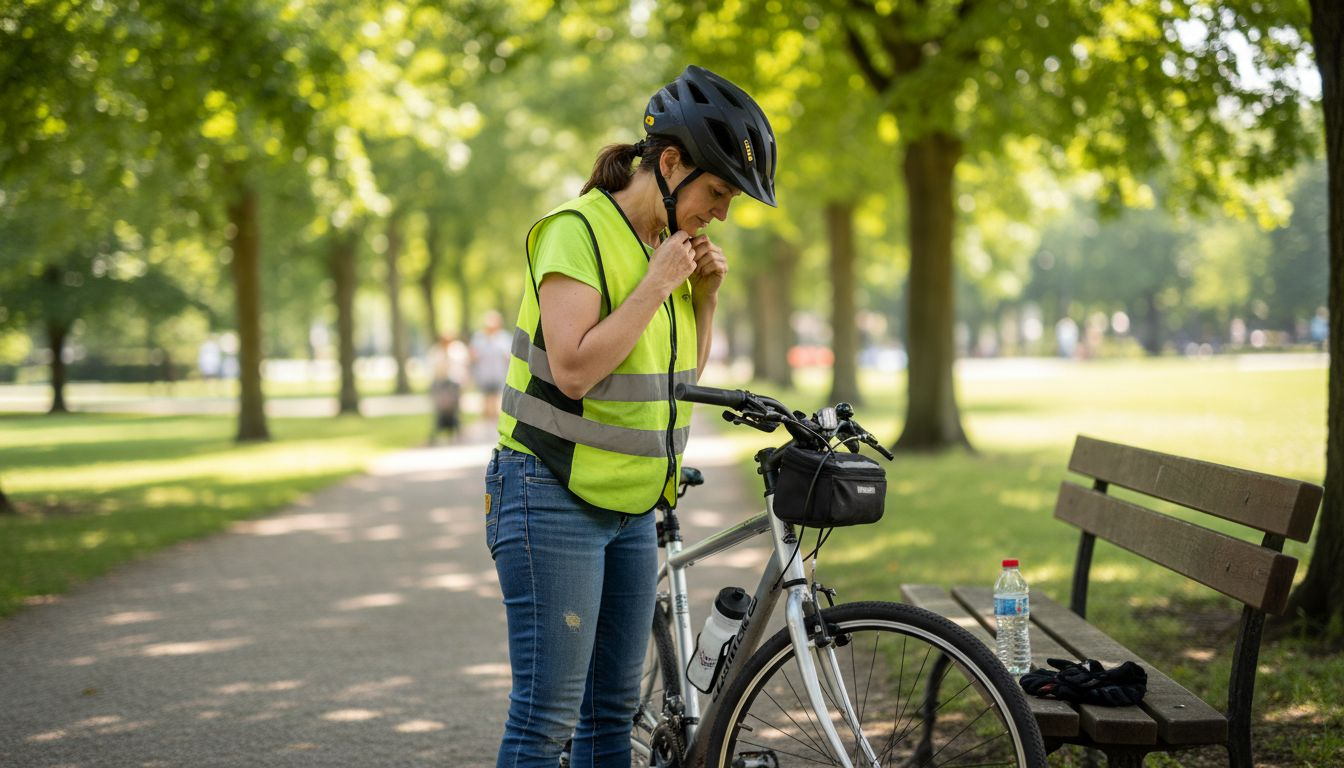
Certification standards vary by region but share rigorous impact testing protocols. U.S. riders should verify CPSC stickers inside their helmets, confirming the product passed standardized drop tests. European cyclists need EN 1078 certification, which tests similar impact scenarios but adds retention system strength requirements.
MIPS technology represents the next evolution in helmet safety. This slip-plane system allows the helmet to rotate slightly upon angled impact, reducing rotational forces that cause serious brain injuries. Studies show MIPS can reduce rotational impact forces by up to 40% compared to standard helmets, offering crucial protection in real-world crash scenarios.
Fit matters as much as technology. A loose helmet shifts during impact, reducing its protective capability and potentially causing neck strain. Measure your head circumference and consult manufacturer sizing charts. The helmet should sit level on your head, about two finger widths above your eyebrows, with straps forming a V under each ear.
Legislation supports helmet effectiveness. Helmet laws increase usage rates and reduce injuries by approximately 20% in jurisdictions where they’re enforced. Even in areas without mandates, voluntary helmet use provides the same protective benefits.
Pro Tip: Replace your helmet every five years or immediately after any crash, even if no visible damage appears. The protective foam degrades over time and loses effectiveness after absorbing impact energy.
- Look for CPSC (U.S.) or EN 1078 (Europe) certification labels inside the helmet
- Choose MIPS-equipped models for enhanced rotational impact protection
- Test fit with the retention system adjusted before purchasing
- Select bright colors or add reflective stickers to improve visibility
- Register your helmet for warranty coverage and recall notifications
Discover helmets meeting these standards in our guide to helmet safety trends for 2026, or verify injury reduction statistics supporting helmet use.
Wear High-Visibility Gear for Day and Night
Drivers cannot avoid what they do not see. High-visibility gear increases your detection distance by 50-70%, giving motorists crucial extra seconds to react and adjust their path. This simple strategy works equally well in dense urban traffic and on rural roads with limited street lighting.
Fluorescent colors excel in daylight conditions. Neon yellow, orange, and green reflect more light than standard colors, making you stand out against typical road backgrounds. Your brain processes these colors as unusual and potentially hazardous, triggering faster driver responses.
Reflective materials take over as light fades. These strips and panels bounce headlight beams directly back to drivers, creating a bright outline of your position and movement. Strategic placement on ankles, wrists, and torso maximizes this effect by highlighting your pedaling motion, which humans recognize as cyclist activity even at distance.
Combining both technologies provides 24-hour protection. Start with a fluorescent base layer or jersey, then add reflective vest, ankle bands, or integrated strips. This layered approach ensures visibility regardless of ambient light conditions or weather.
Urban and rural environments both benefit from visibility strategies. City riders contend with visual clutter and distracted drivers, while rural cyclists face higher speeds and less frequent vehicle encounters. Both scenarios improve dramatically when drivers spot you earlier.
- Choose fluorescent yellow or orange as primary clothing colors
- Add 360-degree reflective strips on helmet, jersey, and shoes
- Wear reflective vests over jackets in low-light conditions
- Select gear with both fluorescent and reflective properties for maximum coverage
- Position reflective ankle bands to create motion visibility
Explore comprehensive options in our high-visibility cycling gear guide for products proven to enhance driver awareness.
Check Your Bike’s Brakes and Tires Regularly
Mechanical failures cause 33% of preventable cycling accidents, yet most riders skip basic maintenance checks. Your brakes and tires form your primary safety system, and their condition directly impacts your ability to stop safely and maintain control.
Brake inspection takes 30 seconds per wheel. Squeeze each lever and verify immediate, firm response without pulling to the handlebar. Examine brake pads for wear indicators or remaining material. Pads worn to 1mm or less require immediate replacement, as they lose stopping power and can damage rims or rotors.
Tire condition affects traction, puncture resistance, and handling stability. Check for embedded debris, sidewall cracks, or tread wear exposing the casing underneath. These signs indicate replacement time, as compromised tires fail unpredictably, especially during emergency braking or cornering.
Proper tire pressure prevents pinch flats and improves rolling efficiency. Use a floor pump with an accurate gauge, inflating to the pressure range printed on your tire sidewall. Under-inflated tires flex excessively and pinch against rims when hitting obstacles. Over-inflation reduces contact patch and traction.
Consistent pre-ride inspections catch problems before they become dangerous. Establish a ritual that takes two minutes: spin each wheel checking for wobbles, squeeze both brake levers, press tires for firmness, and scan for visible damage. This habit becomes automatic and dramatically reduces breakdown risk.
Pro Tip: Keep a maintenance log noting brake pad replacement dates and tire mileage. Most brake pads last 1,000-2,000 miles depending on conditions, while tires typically need replacement every 2,000-3,000 miles. Tracking these numbers prevents unexpected failures.
- Squeeze brake levers to verify firm, immediate response
- Inspect brake pads for wear, replacing if material measures 1mm or less
- Check tire pressure with a gauge, inflating to sidewall specifications
- Examine tires for cuts, embedded debris, or exposed casing threads
- Spin wheels to identify wobbles indicating needed truing
- Test ride in a safe area to confirm proper brake and tire performance
Our bike maintenance checklist provides detailed inspection protocols for comprehensive bike safety verification.
Use Rear-View Mirrors and Install Effective Bike Lights
Situational awareness prevents accidents by giving you time to react to approaching threats. Rear-view mirrors reduce accidents by 15% by eliminating blind spots and allowing you to monitor traffic without turning your head. Combined with proper lighting, these accessories create a complete visibility and awareness system.
Mirror options suit different preferences and bikes. Handlebar-mounted mirrors attach to bar ends, providing wide fields of view but adding width to your bike. Helmet-mounted mirrors position in your peripheral vision, moving with your head for flexible viewing angles. Eyewear-mounted options offer the most discreet profile while maintaining rear visibility.
Installation takes minutes regardless of type. Handlebar mirrors require Allen key adjustment to secure and angle properly. Helmet models use adhesive pads or clips to attach to vents or surfaces. Eyewear versions clip onto glasses temples with adjustable arms for precise positioning.
Bike lights serve dual purposes: helping you see and being seen. Front white lights illuminate your path and signal your presence to oncoming traffic. Rear red lights warn drivers approaching from behind, with flashing modes increasing attention-grabbing capability. Together, they reduce nighttime crash risk by 19%.
Light brightness matters for effectiveness. Front lights need minimum 200 lumens for urban riding, while 400+ lumens suit unlit rural roads. Rear lights should exceed 50 lumens with both steady and flashing modes. USB-rechargeable models eliminate battery replacement hassles.
Regular checks ensure reliability when you need it most. Test lights before each ride, especially as temperatures drop affecting battery performance. Keep backup batteries or charging cables accessible. Clean lenses monthly to maintain maximum light output.
Pro Tip: Run rear lights in flashing mode during daylight hours. Studies show daytime flashing red lights significantly increase driver awareness even in bright conditions, providing extra safety margins during peak traffic.
| Mirror Type | Field of View | Installation | Best For |
|---|---|---|---|
| Guidon | Wide (180°+) | Bar end mount | Touring, commuting |
| Helmet | Moderate (120°) | Adhesive/clip | Road cycling, flexibility |
| Eyewear | Narrow (90°) | Glasses clip | Minimalist setup |
| Light Position | Minimum Output | Modes | Battery Life |
|---|---|---|---|
| Front | 200-400+ lumens | Steady, flashing | 2-10 hours |
| Rear | 50-100 lumens | Steady, flashing | 3-20 hours |
- Choose mirror style matching your riding position and bike type
- Angle mirrors to eliminate blind spots without excessive head movement
- Use front lights rated 200+ lumens for urban, 400+ for rural riding
- Run rear lights in flashing mode for maximum driver attention
- Recharge or replace batteries weekly during regular riding seasons
Find accessories enhancing awareness and visibility in our urban cycling safety accessories collection.
Follow Updated Traffic Laws and Local Regulations
Legal compliance protects you physically and financially. Understanding traffic laws specific to cyclists helps you ride predictably, which improves driver interactions and reduces conflict scenarios. Lower speed limits in urban areas reduce cyclist crash frequency and severity by up to 30%, demonstrating how regulatory changes directly impact your safety.
Helmet laws vary significantly by jurisdiction. Some U.S. states mandate helmets for all riders, others only for minors, and some have no requirements. European countries show similar variation, with some enforcing universal mandates and others recommending voluntary use. Know your local rules to avoid fines and, more importantly, protect yourself.
Signaling requirements improve communication with drivers. Hand signals indicating turns and stops allow motorists to anticipate your actions, reducing sudden-movement accidents. Left arm extended signals left turns, left arm bent upward indicates right turns, and left arm bent downward means stopping or slowing.
Lane positioning rules determine where you legally ride. Most jurisdictions require cyclists to use the rightmost lane except when passing, turning left, or avoiding hazards. Some cities designate specific bike lanes that you must use when available. Understanding these rules prevents conflicts and tickets.
Speed limit compliance matters more than many riders realize. Posted limits apply to bicycles in most areas, and exceeding them can result in citations. More critically, riding at appropriate speeds for conditions gives you reaction time and reduces crash severity if collisions occur.
- Research helmet laws for your state, city, or country before riding
- Practice hand signals until they become automatic responses
- Ride in designated bike lanes where available and required
- Obey all traffic signals and stop signs as you would in a vehicle
- Adjust speed to conditions regardless of posted limits
Verify current regulations and their impact on cycling safety through official transportation department resources.
Carry Emergency Contact and First-Aid Essentials
Preparation reduces post-accident complications by 20%, ensuring you receive appropriate care quickly when it matters most. Carrying emergency information and basic first-aid supplies transforms you from vulnerable to prepared, giving first responders and bystanders crucial details for effective assistance.
Emergency identification should include your name, emergency contact numbers, blood type, and critical medical conditions or allergies. ICE (In Case of Emergency) cards fit in wallet slots or jersey pockets. Alternatively, medical ID bracelets remain visible even if you’re unconscious or unable to communicate.
First-aid kit essentials address common cycling injuries. Include adhesive bandages for road rash, gauze pads for larger abrasions, and medical tape to secure dressings. Add antiseptic wipes to clean wounds before covering them. A small tube of antibiotic ointment prevents infection in minor cuts.
Pain relief and anti-inflammatory medication helps manage discomfort until you reach proper medical care. Single-dose packets of ibuprofen or acetaminophen fit easily in compact kits. Include any personal prescription medications you might need during extended rides.
Storage location affects accessibility during emergencies. Jersey rear pockets keep supplies immediately reachable. Saddle bags work for larger kits but require stopping to access. Frame bags offer middle-ground solutions with reasonable accessibility and protected storage.
- Store ICE card with name, contacts, blood type, and medical conditions
- Pack adhesive bandages, gauze pads, and medical tape
- Include antiseptic wipes and antibiotic ointment
- Add pain relief medication in single-dose packets
- Carry personal prescription medications for extended rides
- Keep kit in accessible jersey pocket or frame bag
Summary Comparison: Safest Practices and Accessories for 2026
Understanding the relative effectiveness of each safety measure helps you prioritize investments and habits for maximum protection. This comparison synthesizes the research-backed benefits discussed throughout this guide, allowing you to make informed decisions about your cycling safety strategy.
Helmet technology leads in injury reduction potential. Certified helmets with MIPS reduce head injury odds by 50% and rotational forces by 40%, making them the highest-impact single safety measure. The combination of impact absorption and rotational force management addresses the two primary mechanisms of cycling head injuries.
Visibility enhancements provide the next tier of protection. High-visibility clothing and reflective gear increase driver detection by 50-70%, while rear-view mirrors reduce accidents by an additional 15% through improved awareness. Together, these measures prevent accidents before they occur by ensuring drivers see you and you see them.
Maintenance and legal compliance offer substantial but often overlooked benefits. Regular brake and tire checks prevent 33% of equipment-related crashes, while traffic law adherence reduces crash severity by 30%. These practices require minimal investment but consistent discipline.
Emergency preparedness serves as your final safety net. While carrying contact information and first-aid supplies decreases post-accident complications by only 20%, this reduction can mean the difference between minor injuries and serious outcomes when accidents do occur.
Combining all strategies creates layered protection far exceeding any single measure. Each element addresses different risk factors, and together they form a comprehensive safety system for 2026 cycling.
| Safety Measure | Injury Reduction | Implementation Cost | Maintenance Needs | Best For |
|---|---|---|---|---|
| Certified Helmet with MIPS | 50% head injury, 40% rotational | Medium ($80-200) | Replace every 5 years | All riders, all conditions |
| High-Visibility Gear | 50-70% detection increase | Low ($20-60) | Wash regularly | Dawn/dusk/night riders |
| Rear-View Mirrors | 15% accident reduction | Low ($15-40) | Adjust periodically | Urban and traffic-heavy routes |
| Bike Lights (Front/Rear) | 19% night crash reduction | Medium ($40-120) | Recharge weekly | Night and low-light riding |
| Regular Maintenance | 33% equipment failure prevention | Low (time investment) | Pre-ride checks | All riders, especially high-mileage |
| Traffic Law Compliance | 30% crash severity reduction | Free | Stay informed on updates | All riders in all jurisdictions |
| Emergency Preparedness | 20% complication reduction | Low ($10-30) | Check/restock quarterly | Long-distance and solo riders |
Optimize Your Cycling Safety Gear with The Beam
Applying these safety strategies starts with the right equipment. The Beam specializes in certified helmets featuring MIPS technology, combining maximum protection with designs cyclists actually want to wear.
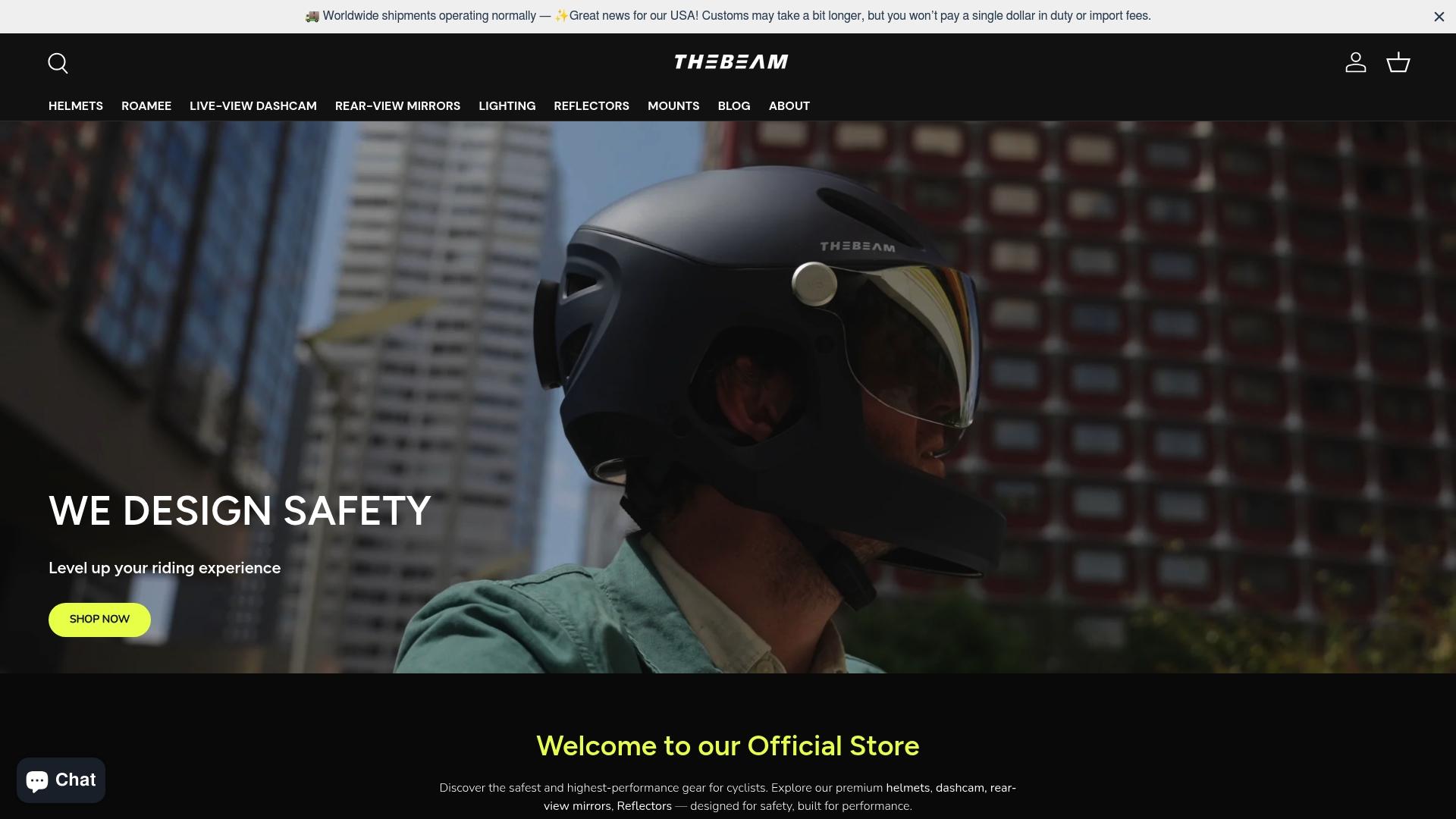
Our certified helmets collection includes the flagship VIRGO integral helmet with MIPS, meeting CPSC and EN 1078 standards while offering superior ventilation and fit systems. Pair your helmet with our high-visibility and safety accessories, including rear-view mirrors, reflective gear, and premium bike lights engineered for reliability.
Explore our complete cycling safety gear guide for detailed product comparisons, installation tips, and maintenance schedules. Every product ships internationally, supporting safer cycling for riders across Europe and the United States.
Frequently Asked Questions
What helmet certifications should I look for in 2026?
Look for CPSC certification if you ride in the United States, or EN 1078 if you’re in Europe. These standards confirm your helmet passed rigorous impact testing. MIPS technology adds rotational impact protection, reducing brain injury forces by up to 40% compared to standard helmets.
How does combining visibility gear with mirrors improve safety?
High-visibility clothing increases driver detection by 50-70%, ensuring motorists see you earlier. Rear-view mirrors reduce accidents by an additional 15% by letting you monitor approaching traffic without turning your head. Together, they create complete awareness where you see threats and drivers see you.
What are the essential pre-ride maintenance checks?
Check brake responsiveness by squeezing levers firmly, inspect brake pads for wear, verify tire pressure matches sidewall specifications, and examine tires for cuts or embedded debris. Spin wheels to identify wobbles needing adjustment. These checks take two minutes and prevent 33% of equipment-related crashes.
Which traffic laws do cyclists most often overlook?
Many riders ignore hand signaling requirements, fail to stop completely at stop signs, or ride against traffic flow. Helmet laws vary by jurisdiction, so verify local mandates. Speed limits apply to bicycles in most areas, and obeying them reduces crash severity by up to 30%.
What should I include in a cycling emergency kit?
Carry an ICE card with your name, emergency contacts, blood type, and medical conditions. Pack adhesive bandages, gauze pads, antiseptic wipes, and antibiotic ointment for wound care. Include pain relief medication and any personal prescriptions. Store everything in an accessible jersey pocket or frame bag.
Do I need different safety equipment for urban versus rural riding?
Urban riders benefit most from rear-view mirrors for heavy traffic and bright lights for visibility among visual clutter. Rural cyclists should prioritize high-visibility clothing for higher-speed roads and brighter front lights for unlit areas. Certified helmets and regular maintenance remain essential regardless of environment.


