

TL;DR:
- Choosing helmets with proper certifications like CPSC and ASTM F1492 ensures genuine multi-sport protection for activities such as cycling, skating, and scootering. Foam material and safety technologies like EPP and MIPS significantly influence a helmet’s ability to handle impacts and rotational forces effectively. For higher-speed or contact sports, specialized helmets are necessary, as multi-sport models are designed primarily for recreational impacts.
Most people assume any helmet will do the job. Grab whatever’s on the shelf, strap it on, and you’re protected. The reality is more complicated, and the consequences of getting it wrong can be severe. Understanding what is multi-sport helmet use means going beyond the marketing and examining what certifications, foam types, and sport-specific design choices actually mean for your head. This guide breaks down exactly what makes a helmet genuinely multi-sport, which activities they cover, and how to choose one that protects you rather than just looking the part.
Table of Contents
- Key Takeaways
- What is multi-sport helmet use and why certifications define it
- Benefits and real limitations of multi-sport helmets
- Types of multi-sport helmets, materials, and safety technologies
- How to choose the right multi-sport helmet
- My honest take on the multi-sport helmet market
- Gear that works alongside your helmet
- FAQ
Key Takeaways
| Point | Details |
|---|---|
| Certifications matter most | Look for official labels like CPSC and ASTM F1492 inside the helmet, not just on the packaging. |
| Foam type defines function | EPP foam handles multiple impacts; EPS foam crushes once and must be replaced after any hit. |
| Not all sports are covered | Multi-sport helmets suit cycling, skating, and scootering but rarely cover high-speed or contact sports. |
| MIPS adds rotational protection | MIPS technology reduces rotational injury risk, making helmets safer across varied impact types. |
| Fit and replacement are non-negotiable | A helmet that moves on your head or has absorbed a single hard impact no longer protects you. |
What is multi-sport helmet use and why certifications define it
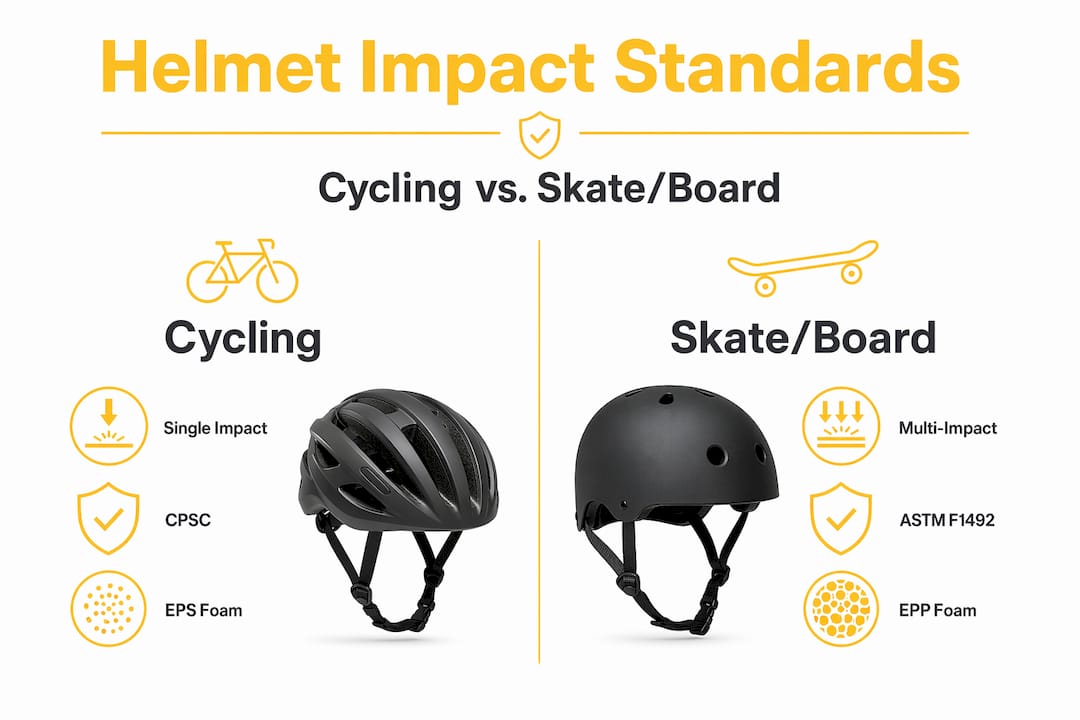
A multi-sport helmet is designed to provide certified protection across more than one type of athletic activity. The word “multi-sport” describes helmets that combine safety certifications such as the CPSC bicycle standard and ASTM F1492 for skateboarding, meaning they have been tested and validated for each listed activity independently.
That distinction matters more than most people realize. A helmet labeled “multi-sport” on its box without dual certification stickers inside is not genuinely multi-sport protected. It is a marketing label. Many manufacturers list sports on packaging without obtaining official certification for each one, which means the helmet was never tested for those activities and may not protect you in a crash specific to them.
The two dominant safety standards you will encounter are:
- CPSC (Consumer Product Safety Commission): The mandatory standard for bicycle helmets sold in the United States. Tests for single, high-energy impacts.
- ASTM F1492: Covers skateboarding and trick inline skating. Designed for repeated, lower-energy impacts to the same area.
- ASTM F1447: Applies to recreational inline and roller skating helmets.
- CPSC + ASTM F1492 dual certification: The most common combination you will find on legitimate multi-sport helmets for urban and active use.
The key difference between these standards comes down to impact type. Cycling crashes tend to produce one severe hit. Skateboarding involves frequent lower-energy falls, often hitting the same spot multiple times. A helmet certified for only one of those scenarios is not built to handle both.
Pro Tip: Flip any helmet you are considering and look for the certification sticker on the inside foam or liner. If the sticker lists only one standard, the helmet is certified for one sport only, regardless of what the packaging claims.
Benefits and real limitations of multi-sport helmets
The appeal of multi-sport helmets is practical. One helmet for your morning bike commute and afternoon skateboard session means less money spent and less gear to manage. For parents buying equipment for kids who cycle to school and skate at the park, a genuinely certified dual-use helmet is a real convenience without a safety compromise.
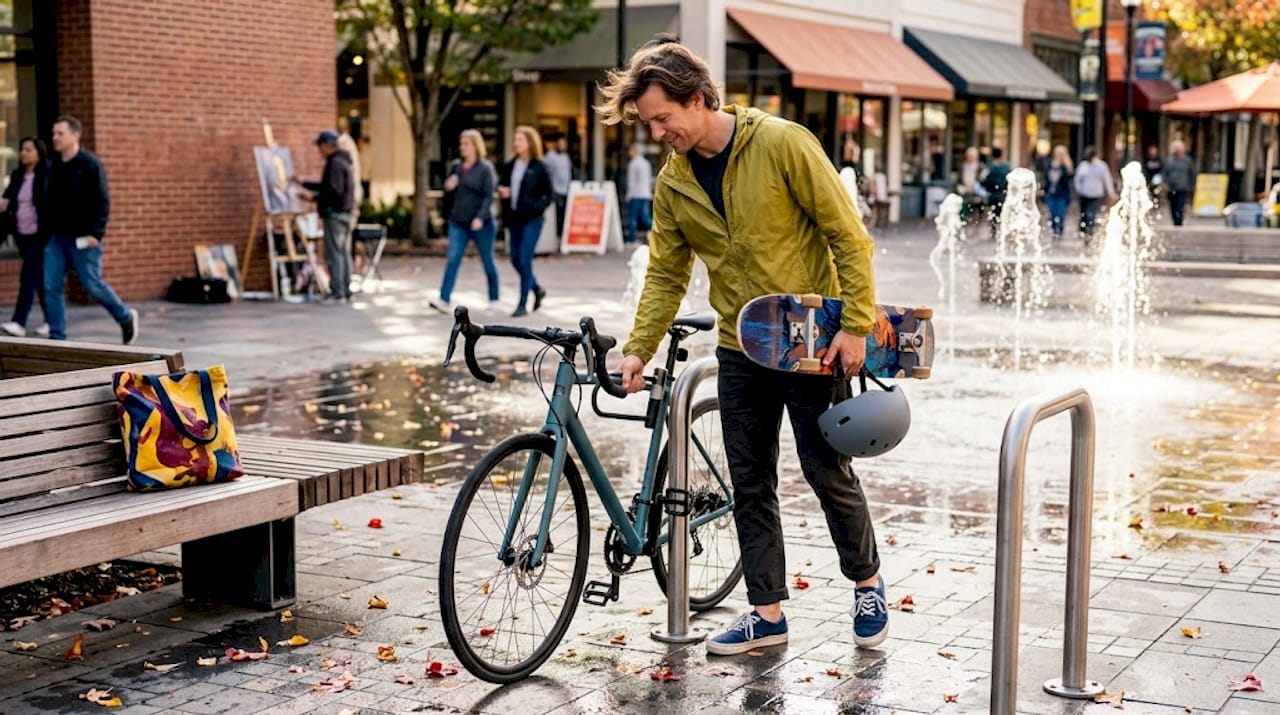
Multi-sport helmet benefits go beyond convenience. Certified helmets reduce concussion risk across the varied impact types each certified sport produces. That consistency of protection encourages people to actually wear their helmet rather than leaving the “wrong” one at home.
That said, the limitations are equally real:
- High-speed sports need specialized helmets. Road cycling at 25+ mph and downhill mountain biking expose riders to impact energies that exceed what most dual-certified multi-sport helmets are built for. A road-specific or MTB-specific helmet provides deeper, more directional protection.
- Contact sports are out. Football, hockey, and combat sports require helmets engineered for their specific collision dynamics. No multi-sport cycling and skating helmet covers those.
- E-bike riding at higher speeds. Electric bikes reaching 30 to 50 mph transfer significantly more energy in a crash than a traditional bicycle. At those speeds, riders should consider an NTA 8776 or EN 17103 certified e-bike helmet rather than a standard multi-sport model.
“Helmet standards differ by sport for good reason. Using a helmet not certified for your activity increases your injury risk in ways you cannot see from the outside.” — Bicycle Helmet Safety Institute
The honest framing is this: multi-sport helmets work well for the sports they are certified for and poorly or dangerously for those they are not. If you are cycling, skating, and scootering at recreational speeds, a quality dual-certified helmet is a smart choice. If you are pushing speed or impact intensity, the right specialized helmet is always worth the extra cost.
Types of multi-sport helmets, materials, and safety technologies
Understanding what separates a good multi-sport helmet from a mediocre one comes down to three things: foam technology, construction approach, and advanced safety systems.
Foam types and why they change everything
The material inside the shell is where real protection lives. Two foam types dominate:
- EPS (expanded polystyrene): The most common material in single-sport cycling helmets. It crushes on impact to absorb energy, which is excellent protection in a single severe crash. However, EPS foam cannot rebound after that crush, meaning the helmet must be replaced after any significant impact even if it looks fine from the outside.
- EPP (expanded polypropylene): Used in helmets designed for multi-impact scenarios. EPP foam recovers slowly after an impact and can handle repeated hits, making it the correct choice for activities like skateboarding where falls are frequent. The trade-off is that EPP helmets tend to be thicker and heavier.
- Dual-density foam: Some manufacturers use both, placing high-energy-absorbing EPS in cycling-specific zones and EPP in areas more likely to see repeated skate-style impacts. This approach tries to capture the best of both materials.
- Hard shell vs. soft shell: Multi-sport helmets typically use a hard ABS outer shell that distributes impact force more evenly than the thin microshell common on road bike helmets.
Pro Tip: If you skate regularly, prioritize EPP foam or dual-density construction over pure EPS. An EPS helmet after your second skateboard fall may look perfectly normal while offering almost no protection.
MIPS and rotational injury protection
MIPS (Multi-directional Impact Protection System) is one of the most meaningful advances in helmet technology. It works by adding a low-friction slip plane inside the helmet that allows the outer shell to rotate slightly on impact. That small movement reduces the rotational force transferred to the brain, which is particularly relevant for angled impacts common in falls across multiple sports.
MIPS reduces rotational injury risk in ways that standard helmet construction simply cannot replicate, and it is increasingly available across both single-sport and multi-sport helmet categories. If you want to understand exactly how this technology works and whether it fits your riding style, the team at Thebeamofficial has written a thorough breakdown of MIPS helmet technology.
Ventilation and fit systems also matter for multi-sport use. Activities that generate different amounts of heat, like cycling versus skating, demand helmets that stay comfortable across varying exertion levels. An adjustable rear dial fit system and adequate ventilation channels are worth prioritizing.
How to choose the right multi-sport helmet
Choosing correctly comes down to three questions: What sports do I actually do, what certifications do those sports require, and what is the construction quality of the helmet I am considering?
Here is a direct comparison of common use cases and what they need:
| Use case | Recommended certification | Foam type | MIPS recommended |
|---|---|---|---|
| Cycling + skateboarding | CPSC + ASTM F1492 | EPP or dual-density | Yes |
| Cycling + inline skating | CPSC + ASTM F1447 | EPP or dual-density | Yes |
| E-biking (up to 28 mph) | EN 17103 or NTA 8776 | EPS or dual-density | Yes |
| Road cycling only | CPSC or EN 1078 | EPS | Yes |
| Downhill MTB only | ASTM F1952 | EPS with additional coverage | Yes |
Beyond certifications, follow these practices when choosing and using any multi-sport helmet:
- Try before you buy. A helmet that shifts when you shake your head does not fit correctly and will not protect correctly.
- Check the year of manufacture. Helmet materials degrade over time. Replace any helmet older than five years regardless of visible condition.
- Replace after any significant impact. EPS foam loses its protection after a single hard impact. If you went down hard, retire that helmet immediately.
- Ignore marketing claims without certification proof. Some helmets list sports on packaging without actual certifications. The only reliable source is the sticker inside the helmet.
It is also worth noting that 85% of fatal bike-related head injuries among people under 18 could have been prevented with proper helmet use. That statistic applies to the right helmet, correctly fitted and appropriately certified. Not just any helmet that happens to be on your head.
My honest take on the multi-sport helmet market
I’ve spent years reviewing safety equipment for cyclists across road, urban, and e-bike contexts, and the multi-sport helmet category is one where I consistently see the widest gap between what people believe they are buying and what they are actually getting.
The most common mistake I see is treating the phrase “multi-sport” as a meaningful safety designation. It is not, on its own. What matters is the certification sticker inside the shell. I have tested helmets that prominently advertised cycling, skateboarding, and scootering on the box, and when you flip them over, you find a single CPSC sticker. That helmet is not certified for skateboarding, full stop.
What I have learned from working alongside athletes who use their gear hard is that most of them underestimate how quickly a helmet becomes compromised. A commuter who clips a curb and walks away thinking “that was nothing” is often wearing a dead helmet the next day. EPS foam does not announce its failure. It just stops working.
The technology side of this conversation genuinely excites me. Helmet standards vary significantly by sport, which creates real engineering challenges for manufacturers trying to build true all-sport protection. But dual-density foams, MIPS integration, and better shell construction are narrowing that gap. If you want to understand the specifics of what makes MIPS worth the investment, that is worth reading before your next purchase.
My practical advice: buy the most certified, technically advanced helmet you can afford for your primary sport. If it also carries dual certification for your secondary activity, that is a genuine bonus. If it does not, buy a separate helmet. Your brain is not a place to find the budget option.
— Sophie
Gear that works alongside your helmet
A properly certified helmet is your most critical piece of safety equipment, but it works best as part of a complete approach to visibility and protection. At Thebeamofficial, we design gear for riders who take their safety as seriously as their performance. Our high-visibility bike reflectors are built to make you seen from every angle during low-light commutes and evening rides, addressing a risk that even the best helmet cannot cover. For riders who want to push further, our ultracycling events bring together a community of endurance cyclists who understand that smart preparation, not just strong legs, is what gets you home safely. Explore the full range and find gear that matches how and where you ride.
FAQ
What makes a helmet truly multi-sport certified?
A genuinely multi-sport helmet carries independent certification stickers inside the shell for each activity it covers, such as CPSC for cycling and ASTM F1492 for skateboarding. Packaging claims alone are not sufficient verification.
Do I need a separate helmet for cycling and skateboarding?
Not necessarily. A helmet with both CPSC and ASTM F1492 certification and EPP or dual-density foam is built and tested for both activities. If the helmet only carries one certification, you need separate helmets.
When should I replace my multi-sport helmet?
Replace your helmet immediately after any significant impact, even if it looks undamaged. EPS foam crushes and loses protection after one hard hit. Also replace any helmet that is more than five years old due to material degradation.
Is MIPS worth it in a multi-sport helmet?
Yes. MIPS technology reduces rotational injury risk by allowing the helmet shell to move slightly on impact, which addresses angled falls common across cycling and skating. It is worth prioritizing in any helmet purchase.
Can I use a multi-sport helmet for e-biking?
Standard dual-certified multi-sport helmets are generally not designed for e-bike speeds above 20 mph. For higher-speed e-biking, look for helmets with NTA 8776 or EN 17103 certification, which are specifically tested for the greater energy involved in those crashes.


