

TL;DR:
- Connected cycling gear enhances rider safety and training through real-time data, wireless alerts, and V2X communication. It offers significant safety benefits like collision prevention, traffic awareness, emergency response, and theft protection, while also improving training accuracy and battery range management. However, it faces practical challenges such as high costs, ecosystem dependency, and setup complexity, which early adopters can navigate for long-term advantages.
Connected cycling gear is technology-integrated equipment that improves rider safety, performance, and convenience through real-time data, wireless communication, and smart sensors. The case for why use connected cycling gear comes down to three measurable gains: fewer collision risks, better training data, and greater control over your ride. V2X (vehicle-to-everything) communication technology can prevent up to 80% of non-impaired vehicle-cyclist crashes in the U.S. That single figure reframes connected gear from a gadget category into a genuine safety investment. Thebeamofficial builds this philosophy directly into its helmet and accessory lineup, designed for road, gravel, urban, and e-bike riders who want protection that works in the real world.
Why use connected cycling gear: what it is and how it works
Connected cycling gear refers to any bike equipment that uses wireless technology to collect, share, or display data during a ride. The category covers a wide range of products: GPS computers, smart helmets, radar tail lights, app-linked displays, cadence sensors, and V2X-enabled e-bikes. Each device communicates through Bluetooth, ANT+, GPS, or cellular networks, depending on the function.
The core components work together as a system:
- Smart displays show real-time metrics like speed, cadence, wattage, and battery level directly in your line of sight.
- Sensors attached to the crank, wheel, or pedals feed performance data to your phone or cycling computer.
- Radar devices scan the road behind you and alert you to approaching vehicles before you hear them.
- V2X modules broadcast your position to connected vehicles and receive alerts from traffic infrastructure.
- Companion apps store ride history, plan routes, push firmware updates, and enable security features like remote locking.
The integration between these components is what separates connected gear from standalone gadgets. A radar device that also triggers your rear light and sends a signal to your handlebar display gives you three layers of awareness from one input. That layered feedback is the defining feature of connected cycling technology.
Pro Tip: Set up your companion app before your first ride. Pairing devices, enabling location sharing, and configuring alert thresholds takes 10–15 minutes at home and saves confusion on the road.
How does connected cycling gear enhance rider safety?
Safety is the strongest argument for connected cycling equipment, and the data supports it clearly. V2X systems offer a 360-degree communication range of up to 300 meters front and 150 meters rear. That range gives you warning of a fast-approaching vehicle well before your eyes or ears could detect it.
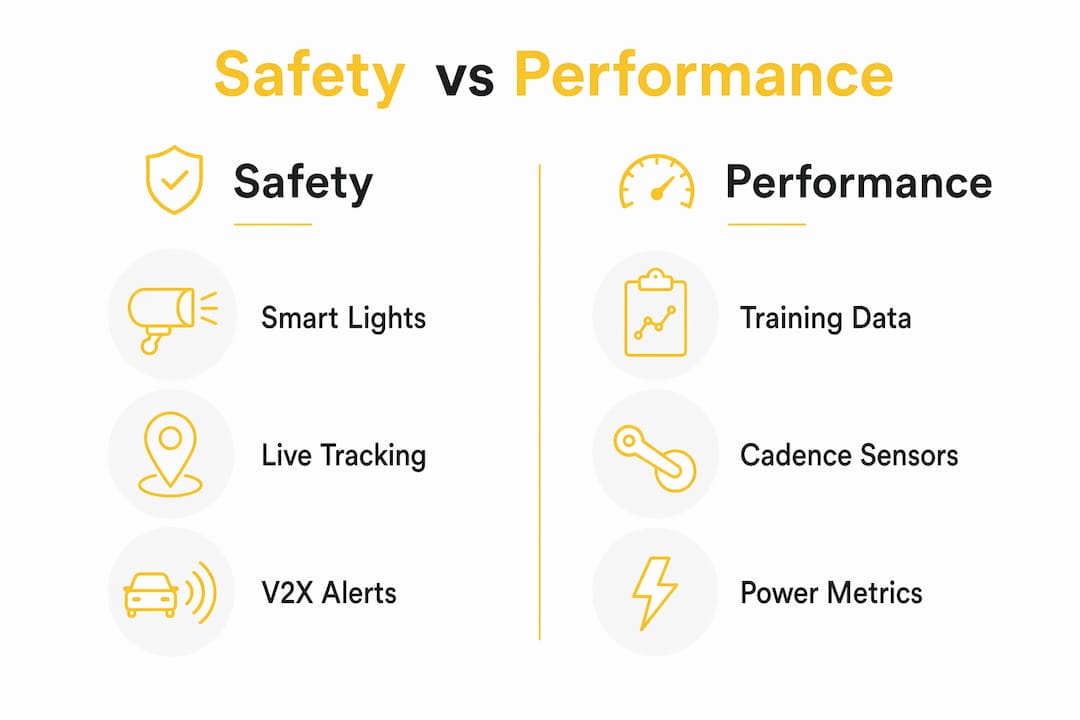
The safety benefits break down across four areas:
- Collision prevention. V2X communication exchanges position data between your bike and nearby connected vehicles. When a car runs a red light or drifts into a bike lane, the system alerts both the driver and the cyclist simultaneously.
- Rear traffic awareness. Rearview radar devices alert cyclists visually and audibly to approaching vehicles. Advanced radar systems identify threats based on size, movement, and threat level, giving you a tiered warning rather than a single generic alarm.
- Emergency response. Connected apps detect incidents automatically and notify emergency contacts with your real-time location. A hard fall on a remote trail no longer means waiting and hoping someone passes by.
- Theft protection. Remote motor immobilization and movement detection alerts notify you the moment someone touches your bike without authorization.
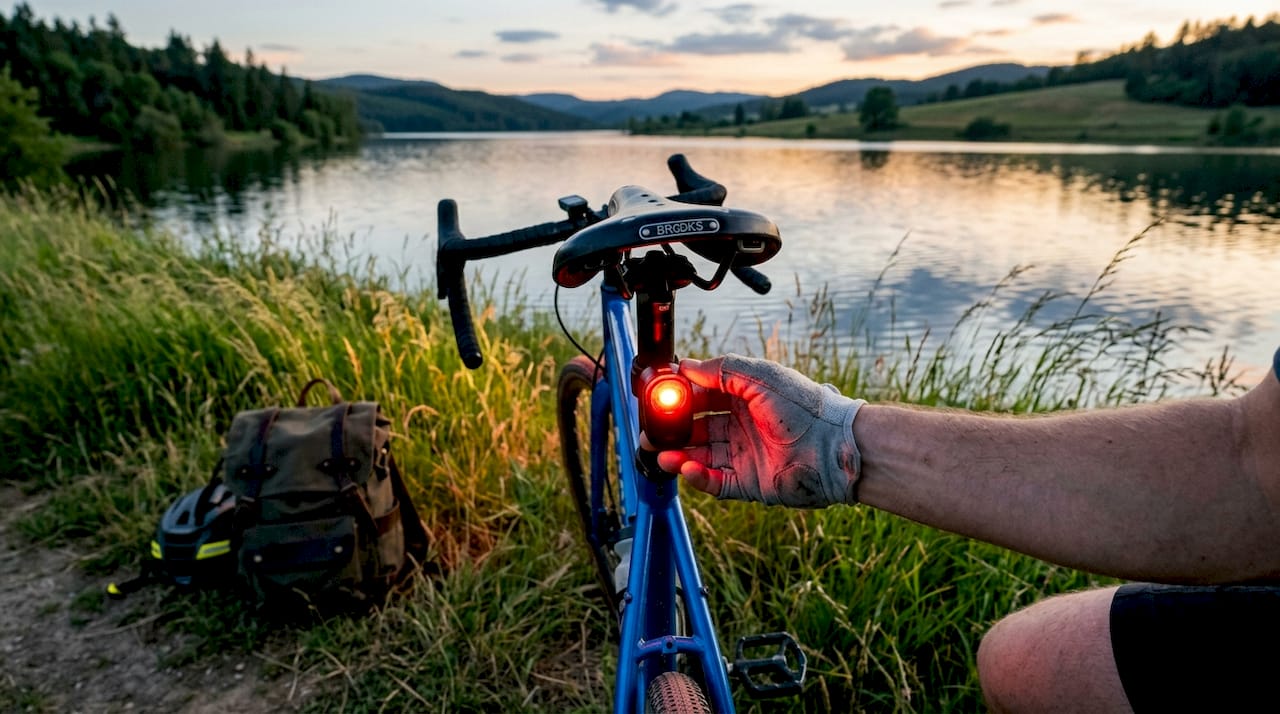
Smart lights add another layer. Some models synchronize brightness automatically with ambient light and riding speed, making you more visible without requiring manual adjustment. For urban riders navigating traffic, this kind of passive visibility is as valuable as any active alert system. Thebeamofficial’s accessories, including high-visibility reflectors and rear-view mirrors, address exactly this gap between passive and active protection.
The LiveTrack feature available on several connected platforms lets trusted contacts follow your route in real time. For solo riders on long-distance or night rides, that shared visibility is a meaningful safety net. You can read more about how these technologies work together in this overview of connected safety for cyclists.
What performance benefits do connected cycling technologies provide?
Connected gear gives you data that changes how you train, not just how you ride. Real-time metrics like cadence, torque, and wattage tell you exactly how hard you are working at any moment. That feedback lets you pace efforts precisely, avoid overtraining, and identify weaknesses in your pedaling technique.
Here are the four performance areas where connected technology delivers the clearest gains:
- Training metrics. Smart displays provide real-time motor wattage, torque feedback, and cadence tracking. Cyclists who train with power data can target specific physiological zones rather than guessing effort by feel.
- Battery and range management. Dynamic range prediction and error code diagnostics reduce range anxiety and extend battery lifespan through better charging habits. Knowing you have 12 miles of assist left changes your pacing decisions on a long climb.
- Navigation. Integrated GPS navigation reduces reliance on a separate phone mount and supports route optimization, including public charging station locations for e-bike riders.
- Firmware updates. Over-the-air updates improve device performance without requiring a trip to a shop. A radar device that gets a software update can gain new threat-classification logic months after purchase.
| Performance area | Connected gear advantage |
|---|---|
| Training precision | Real-time wattage and cadence data targets specific effort zones |
| Battery management | Range prediction prevents mid-ride power loss |
| Navigation | On-device GPS removes phone dependency |
| Device longevity | Firmware updates extend useful life of hardware |
The global connected e-bike market was valued at USD 2.1 billion in 2024, with a projected compound annual growth rate of 20.3% through 2031. That growth rate signals that connected performance features are moving from enthusiast territory into mainstream cycling.
What practical challenges exist with connected cycling equipment?
Connected cycling gear carries real limitations, and understanding them helps you buy smarter. The biggest structural challenge is ecosystem dependency. V2X safety benefits depend on network density of connected vehicles and infrastructure. In cities with low V2X adoption, a V2X-enabled bike still communicates, but it has fewer vehicles to communicate with. This creates a classic adoption problem: the technology works best when everyone uses it, but uptake is gradual.
Other practical considerations include:
- Upfront cost. Connected gear costs more than standard equipment. A quality radar tail light, GPS computer, and smart helmet represent a significant combined investment. The long-term value in avoided incidents and extended training quality justifies the cost for regular riders, but the entry price is real.
- Battery life. Every connected device needs charging. A radar unit that dies mid-ride provides no warning. Build a pre-ride charging check into your routine the same way you check tire pressure.
- Compatibility. Not all devices speak the same wireless protocol. Bluetooth and ANT+ are the most common standards, but some platforms use proprietary connections. Check compatibility before purchasing.
- Interface learning curve. Multi-function displays and companion apps require setup time. Riders who skip the setup often use only a fraction of the features they paid for.
Pro Tip: Buy devices from brands that publish regular firmware updates. A product with active software support will improve over time. A product that ships and never updates will fall behind quickly.
Widespread adoption of connected cycling safety tech requires coordinated growth between the automotive and cycling industries. That coordination is happening, but it takes time. Riders who invest now benefit from early adoption and position themselves well as the ecosystem matures. The digital evolution of cycling services, including connected diagnostics and remote support, is already reshaping how riders maintain their gear, as explored in this overview of digital tools in cycling.
How can everyday cyclists integrate connected gear into their rides?
The right starting point depends on your riding context. A daily commuter in a dense city has different priorities than a weekend gravel rider or a long-distance tourer. Matching features to your actual use case prevents overspending and underusing.
For urban commuters:
- Prioritize rear radar and smart lighting. Traffic density makes rear-threat awareness the highest-value feature in city riding.
- Enable live location sharing with a contact before every ride. Urban cycling carries unpredictable risks, and real-time tracking costs nothing extra once set up.
- Use integrated GPS to avoid checking your phone at intersections.
For fitness and performance riders:
- Connect a cadence and power sensor to a cycling computer or app. Train with data rather than perceived effort.
- Review ride analytics after each session. Patterns in your cadence or heart rate data reveal training gaps faster than feel alone.
- Use firmware update notifications as a maintenance prompt. When your device updates, check tire pressure and brake pads at the same time.
For long-distance and touring riders:
- GPS navigation with charging station mapping removes one of the biggest anxieties on multi-day routes.
- Incident detection and emergency contact notification become critical when you ride alone in remote areas.
- Smart cycling accessories designed for group and solo riding improve both safety and comfort on extended trips.
Connected helmets sit at the center of this integration for many riders. A smart helmet can combine MIPS protection, integrated lighting, and communication features in one piece of gear, reducing the number of separate devices you need to manage.
Key takeaways
Connected cycling gear delivers measurable safety and performance gains that standard equipment cannot match, making it a practical choice for any cyclist who rides regularly in traffic or trains with purpose.
| Point | Details |
|---|---|
| V2X collision prevention | V2X communication can prevent up to 80% of non-impaired vehicle-cyclist crashes. |
| Rear radar awareness | Radar devices alert you to approaching vehicles by size and threat level before you hear them. |
| Performance data | Real-time wattage, cadence, and range prediction improve training precision and battery management. |
| Ecosystem dependency | V2X benefits grow as more vehicles and infrastructure join the connected network. |
| Start with your use case | Match features to commuting, fitness, or touring needs before purchasing any connected device. |
What I’ve learned from riding with connected gear
Connected cycling gear changed how I think about risk on the road. Before I used a rear radar unit, I relied entirely on sound and instinct to judge traffic behind me. The first time a radar alert fired before I heard the car, I understood the gap between what I thought I knew and what the technology actually detected. That gap is where crashes happen.
The cost argument against connected gear weakens fast when you calculate it against the alternative. A quality radar device and a smart helmet cost less than a single emergency room visit. Riders who frame the investment that way tend to stop hesitating. The real impact of smart safety gear shows up not in dramatic saves but in the steady accumulation of better decisions made with better information.
My honest prediction: connected gear will be standard equipment for urban cyclists within five years, the same way helmets became standard over the past two decades. The riders who adopt early build habits and skills that make the technology work harder for them. If you are hesitant about the learning curve, start with one device. A rear radar unit requires almost no setup and delivers immediate, tangible awareness on your first ride.
— Sophie
Connected helmets and safety gear from Thebeamofficial
Thebeamofficial designs high-end cycling safety equipment built for riders who take protection seriously, from daily commuters to long-distance cyclists.
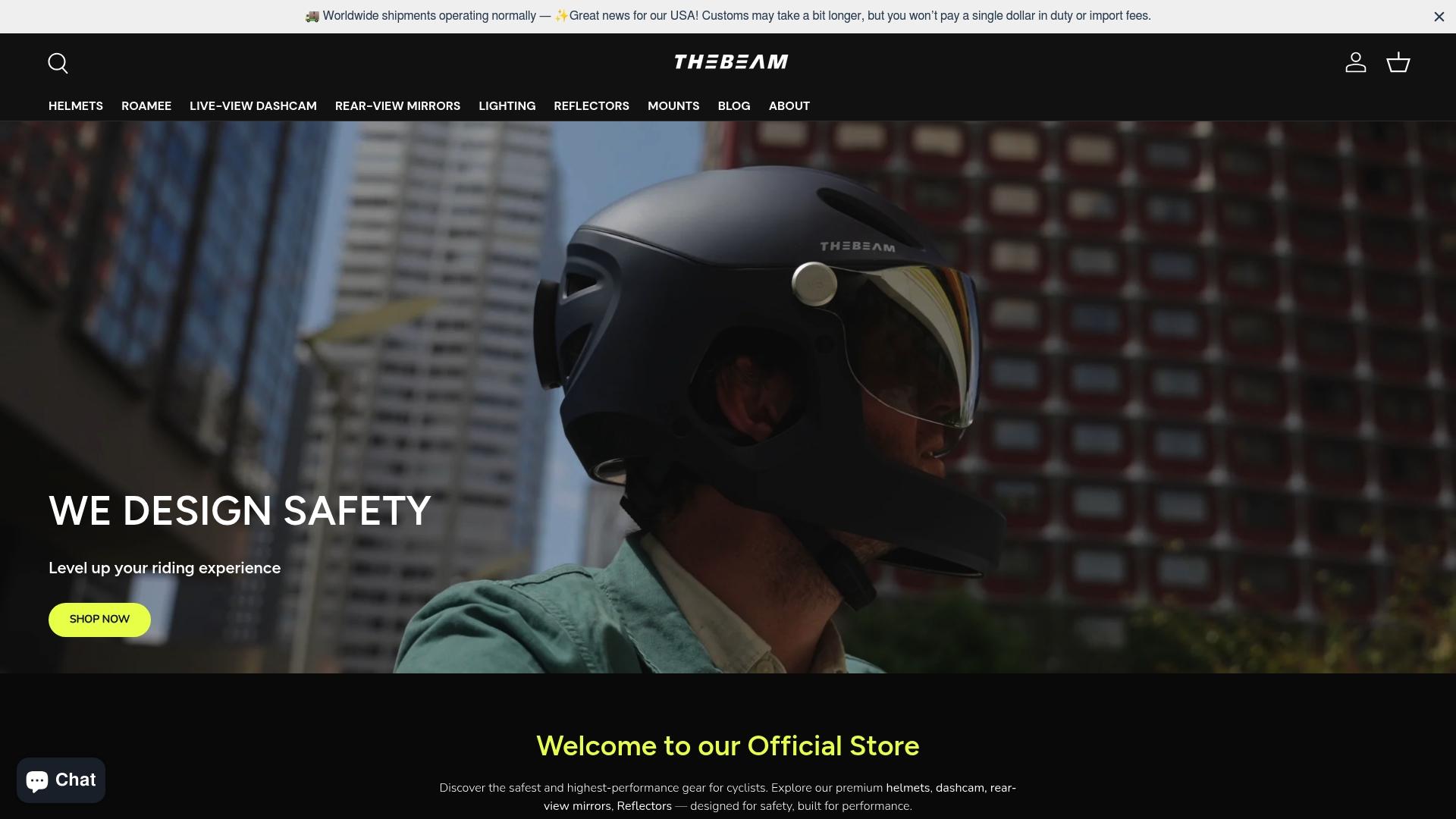
The VIRGO integral helmet with MIPS technology represents Thebeamofficial’s flagship approach: protection that meets real-world demands without sacrificing design. Alongside helmets, Thebeamofficial offers a range of connected cycling accessories, including high-visibility reflectors and rear-view mirrors that add passive and active protection to any ride. For riders ready to upgrade their head protection, the full adult helmet collection covers road, gravel, urban, and e-bike use cases. Every product ships internationally through Thebeamofficial’s e-commerce platform.
FAQ
What is connected cycling gear?
Connected cycling gear is equipment that uses wireless technology, including Bluetooth, GPS, and V2X communication, to collect and share real-time data during a ride. It includes smart helmets, radar lights, GPS computers, and app-linked sensors.
Is smart cycling gear worth it for everyday riders?
Connected gear delivers the most value for riders who commute in traffic or train regularly. Rear radar and incident detection alone provide safety benefits that standard equipment cannot replicate.
How does V2X communication protect cyclists?
V2X systems broadcast a cyclist’s position to nearby connected vehicles and receive alerts from traffic infrastructure, with a communication range of up to 300 meters. This technology can prevent up to 80% of non-impaired vehicle-cyclist crashes.
What are the biggest limitations of connected cycling equipment?
The main limitations are upfront cost, battery management, and V2X ecosystem dependency. V2X safety benefits scale with the number of connected vehicles in your area, so urban riders in high-adoption cities gain more than rural riders.
Do connected cycling apps notify emergency contacts automatically?
Connected apps with incident detection can notify emergency contacts automatically after a detected crash, including sharing your real-time location. This feature requires setup in the companion app before your ride.


